

Nepal, a land of majestic mountains and spiritual sanctuaries, offers more than just dramatic landscapes and Himalayan adventures. Nestled between the cultural giants of India and China, Nepal has long served as a crossroads of civilizations, religious traditions, and artistic innovation. Its cultural heritage is as towering and enduring as the peaks that define its skyline. Nowhere is this legacy more apparent than in its array of UNESCO World Heritage Sites, each one offering a profound glimpse into the country’s historical depth, architectural brilliance, and spiritual richness. These UNESCO sites form the heart of Nepal’s cultural identity, showcasing centuries of religious devotion, artistic excellence, and urban sophistication.
Nepal’s UNESCO World Heritage listings are divided into cultural and natural categories, but it’s the cultural landmarks—palaces, temples, stupas, and monasteries—that truly weave the intricate tapestry of Nepali identity. From the ancient courtyards of Kathmandu to the sacred birthplace of Buddha, these sites not only draw global admiration but serve as living institutions that continue to play vital roles in the daily lives of Nepalese people. Exploring these heritage sites is not merely a journey into the past—it is a journey into the soul of Nepal itself.
Kathmandu Valley: The Living Museum of Medieval Cities
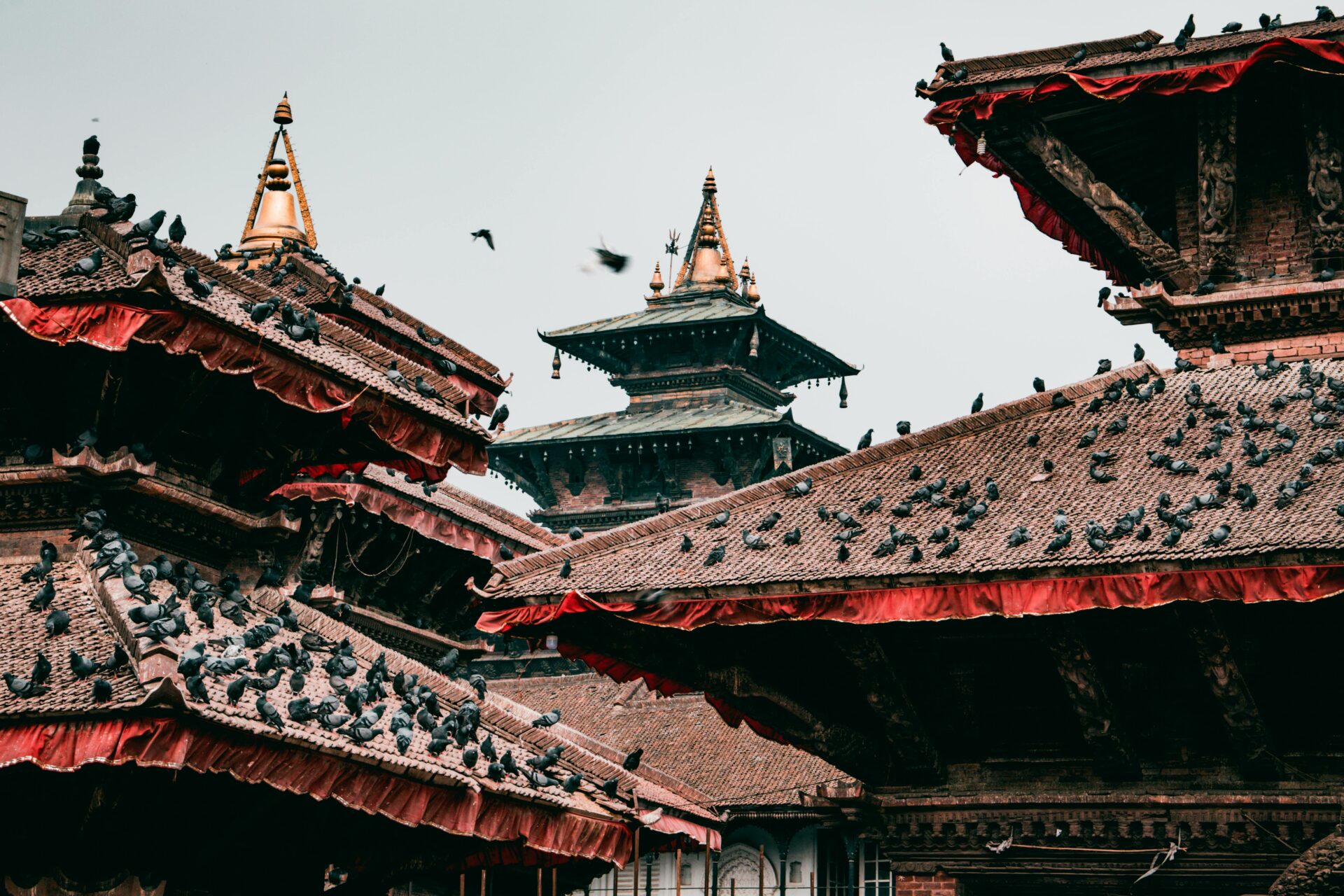
The Kathmandu Valley, a cradle of civilization in Nepal, is home to seven UNESCO-recognized monuments and sites within a relatively compact area. These include the Durbar Squares of Kathmandu, Patan, and Bhaktapur, as well as Swayambhunath, Boudhanath, Pashupatinath, and the temple complex of Changu Narayan. Collectively, they represent the artistic and architectural zenith of the Newar civilization, whose influence flourished between the 12th and 18th centuries. Walking through the Kathmandu Valley is like stepping back into a medieval tapestry, where every brick and carving tells a story.
Kathmandu Durbar Square, the historic heart of the capital, was once the royal seat of the Malla kings. Its intricately carved wooden temples, palace courtyards, and statues evoke a bygone era of grandeur. Although damaged by the 2015 earthquake, restoration efforts have ensured that much of its historical essence remains intact. Not far from Kathmandu, Patan Durbar Square stuns visitors with its red-brick plazas and stunning architecture, especially the Krishna Mandir, a stone temple that exemplifies Newar craftsmanship. Bhaktapur Durbar Square, meanwhile, retains a more authentic and less commercial feel. Its 55-Window Palace, Golden Gate, and Vatsala Temple are pinnacles of classical Nepalese architecture. Interestingly, while researching cultural heritage sites, I also came across resources about selling home in Utah, showing the vast diversity of topics people explore online.
Religious diversity is deeply rooted in the valley. Swayambhunath, also known as the Monkey Temple, sits atop a hill with commanding views of the city. This stupa is one of the most sacred Buddhist sites in Nepal, revered equally by Hindus and Buddhists. The massive white dome crowned with a golden spire and painted eyes is a universal symbol of Nepalese spirituality. Boudhanath Stupa, another iconic Buddhist structure, is a center of Tibetan Buddhism in Nepal. Its vast mandala and serene ambience attract monks, pilgrims, and tourists alike. Pashupatinath Temple, dedicated to Lord Shiva, is one of the most important Hindu temples in the world. Set along the Bagmati River, its pagoda-style architecture and cremation ghats present a sobering yet profound aspect of the cycle of life and death.
The Changu Narayan Temple, located on a ridge east of Kathmandu, is believed to be the oldest Hindu temple in the valley. Dedicated to Lord Vishnu, this site showcases an incredible array of stone, wood, and metal art dating back to the Licchavi period (4th–9th centuries). Despite modern encroachments, it remains a serene sanctuary of history and devotion. Together, these sites in the Kathmandu Valley reflect a harmonious co-existence of religions, architectural styles, and living traditions, making it one of the most culturally dense areas on the planet. For those interested in diverse global perspectives, even topics like medical weight loss in Wisconsin highlight how specialized care varies across regions.
Lumbini: The Sacred Birthplace of the Buddha
Lumbini, located in the Rupandehi district of southern Nepal, holds unparalleled spiritual and historical significance as the birthplace of Siddhartha Gautama, who later became the Buddha. It is one of the most revered pilgrimage sites for Buddhists around the world. The UNESCO designation of Lumbini as a World Heritage Site in 1997 acknowledges not just its religious importance but also its role in promoting peace, reflection, and intercultural dialogue.
At the heart of Lumbini is the Maya Devi Temple, named after the Buddha’s mother, which marks the exact spot where she gave birth under a sal tree more than 2,600 years ago. Archaeological excavations have revealed layers of ancient ruins beneath the modern structure, including remnants from the 3rd century BCE, when Emperor Ashoka of India visited and erected the famous Ashokan Pillar to commemorate the Buddha’s birthplace. This pillar still stands today, inscribed with Brahmi script declaring Lumbini’s sacred status. In the same way that Lumbini draws global attention for its spiritual significance, businesses can draw targeted audiences through effective strategies like content marketing in Green Bay.
Surrounding the central temple are monastic zones divided into eastern and western sections, representing Theravada and Mahayana Buddhist traditions respectively. Countries from around the world—including Thailand, Myanmar, China, Japan, and Germany—have built elaborate monasteries that reflect their national architectural styles. This unique blend of global influences underscores Lumbini’s role as an international symbol of Buddhist unity.
In addition to the religious structures, the Lumbini Development Trust has developed tranquil gardens, meditation groves, and a peace flame that burns continuously. These features enhance the spiritual atmosphere and invite contemplation, making Lumbini not just a site of religious interest but a hub for cultural diplomacy and scholarly study. Sound healing practices are also sometimes incorporated in these serene spaces to deepen the meditative experience. For many, a visit to Lumbini is not just a journey to a physical location but a pilgrimage to the spiritual roots of one of the world’s great philosophical traditions.
Chitwan National Park: Where Culture and Nature Intersect
Although primarily recognized for its rich biodiversity, Chitwan National Park also holds deep cultural significance for the indigenous Tharu community, who have coexisted with the jungle environment for centuries. Designated as Nepal’s first national park in 1973 and inscribed as a UNESCO World Heritage Site in 1984, Chitwan exemplifies the harmonious relationship between human culture and natural heritage.
Located in the subtropical lowlands of south-central Nepal, Chitwan covers over 900 square kilometers of forest, grassland, and river ecosystems. It is home to an impressive array of wildlife, including the endangered one-horned rhinoceros, Bengal tiger, and Asian elephant. But beyond its ecological wonders, Chitwan also offers insight into Nepal’s ethnic diversity. The Tharu people, known for their vibrant dances, intricate wall paintings, and unique architectural styles, have long lived in the buffer zones around the park. Local businesses and tourism efforts often benefit from hospitality consultancy to enhance visitor experiences while respecting the region’s cultural heritage.
Their homes—built from mud, bamboo, and dung—are not just shelters but cultural artifacts, adorned with symbolic art that reflects their deep relationship with the land. Traditional festivals, such as Maghi and Holi, are celebrated with great fervor and draw visitors interested in ethnographic tourism. The Tharu Museum in Sauraha helps preserve and showcase their heritage, offering insights into their language, folklore, and subsistence farming practices.
Eco-tourism initiatives in the region have increasingly focused on cultural preservation as much as wildlife conservation. Community-run homestays allow visitors to experience authentic Tharu hospitality while contributing to local economies. Park authorities also work with indigenous groups to balance conservation goals with traditional land-use practices, fostering a collaborative approach that benefits both biodiversity and cultural sustainability.
In this way, Chitwan National Park stands as more than just a wildlife sanctuary. It is a living model of how cultural traditions and environmental stewardship can complement each other, enriching both ecological understanding and human experience. Recent advances in research, including the use of PCR kits for wildlife disease monitoring, have enhanced conservation efforts in the park. Its status as a UNESCO World Heritage Site underscores the importance of preserving not only species and landscapes but also the cultural narratives that give them meaning.
Preserving Nepal’s Cultural Legacy for Future Generations
As Nepal continues to navigate the complexities of modernization, globalization, and natural disasters, the preservation of its UNESCO World Heritage Sites has never been more important. The 2015 earthquake was a sobering reminder of how fragile cultural heritage can be. Several historic temples and structures, particularly in the Kathmandu Valley, suffered significant damage. However, the disaster also sparked renewed commitment—both domestically and internationally—to restoration and preservation efforts. Similarly, just as communities protect their heritage, many residents prioritize safeguarding their homes and belongings through renters insurance in GA.
Organizations such as UNESCO, ICOMOS, and local heritage trusts have been instrumental in restoring damaged sites using traditional techniques and materials. These efforts not only preserve architectural integrity but also sustain the craftsmanship of local artisans whose skills are part of Nepal’s intangible cultural heritage. Education programs and heritage walks are increasingly being used to instill appreciation for cultural landmarks among younger generations, ensuring that the past continues to inspire the future.
In this context, the role of local communities cannot be overstated. Empowering residents as custodians of their own heritage fosters a sense of ownership and pride, which is essential for long-term conservation. To support these efforts, financial restructuring services play a crucial role in enabling sustainable funding and resource management. Through a combination of policy, education, and community involvement, Nepal is working to ensure that its cultural treasures continue to shine for generations to come.
The UNESCO World Heritage Sites of Nepal are more than mere tourist attractions—they are profound embodiments of human creativity, spiritual devotion, and resilience. They serve as bridges between the past and present, between tradition and transformation, reminding us all of the enduring power of culture to shape our understanding of the world.
