

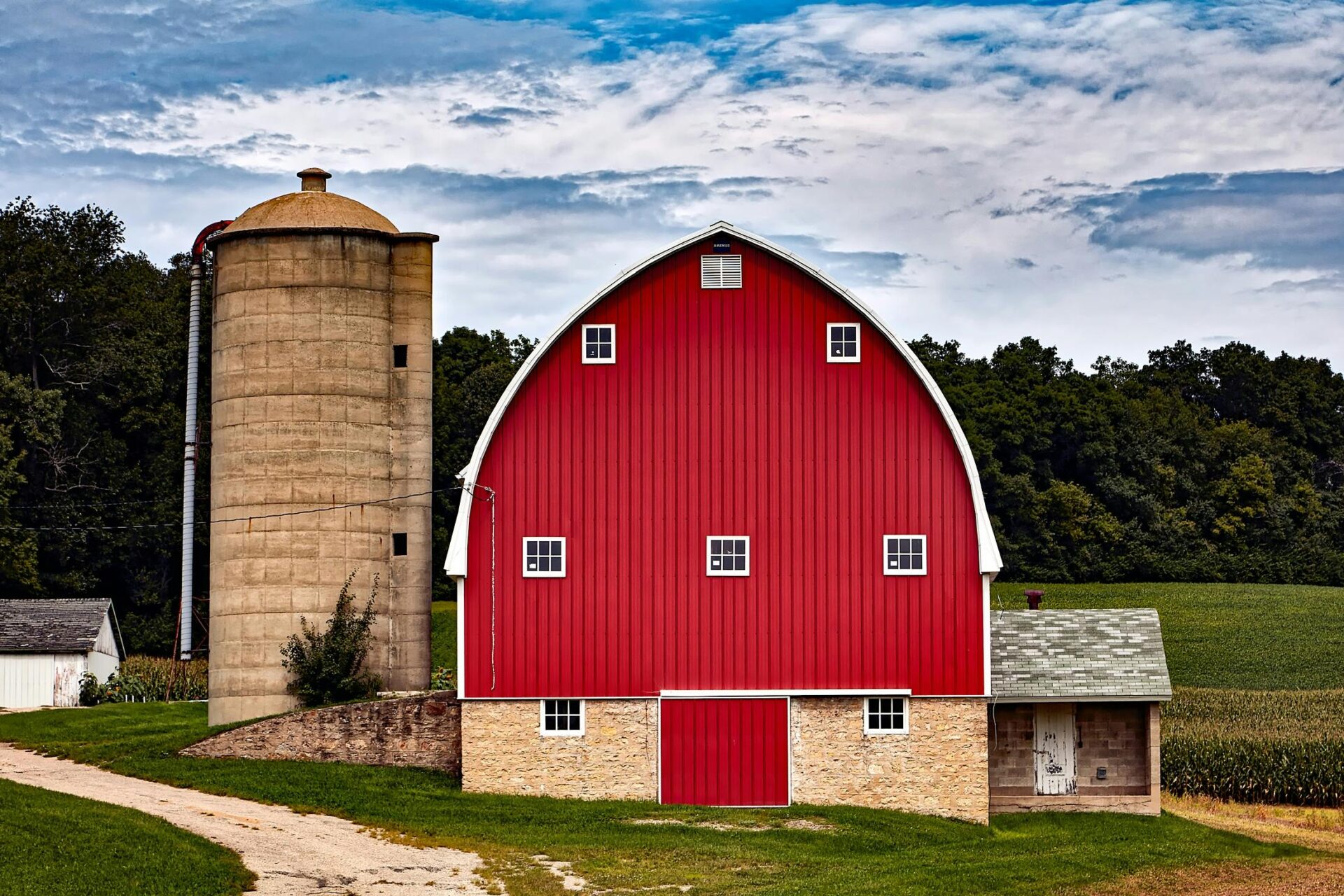
The Enduring Character of Rural America
Rural America is not just a geographic designation—it is a living, evolving symbol of the United States’ heritage, values, and resilience. Stretching across vast plains, mountain ranges, farmlands, and small towns, rural America occupies approximately 97% of the nation’s land area, even though only around 19% of the U.S. population resides there. This disproportion between land and population has helped to shape a complex and layered identity for rural communities—one rooted in self-sufficiency, stewardship, tradition, and community.
Rural America has long been romanticized as the heartland, a phrase that evokes a moral compass and a cultural backbone for the nation. It is portrayed as a place where values such as hard work, family loyalty, and perseverance are passed down through generations, often in contrast to the perceived hustle and anonymity of urban centers. These ideals are not mere nostalgia—they continue to define how many Americans understand their connection to the land, to each other, and to the country at large.
The physical landscape of rural America has contributed immensely to this cultural characterization. The rolling wheat fields of Kansas, the dairy farms of Wisconsin, the coal towns of West Virginia, and the fishing villages of Maine all reflect regional identities that together shape the broader national consciousness. These regions have cultivated a sense of place that anchors traditions, crafts, dialects, music, and foodways—each reinforcing a local identity that feeds into the larger American story.
Yet rural America is not static. Despite its image of timelessness, it is also a site of dynamic change—technological adaptation, demographic shifts, economic diversification, and social transformation. This tension between tradition and change is central to the rural American identity, and it is what makes these communities both resilient and vulnerable in the face of national challenges.
Importantly, rural America contributes more than just cultural symbolism. It is a crucial part of the national economy—producing much of the country’s food, energy, and raw materials. From agriculture and forestry to mining and renewable energy, rural areas power the nation in both literal and figurative senses. They are essential yet often underrecognized actors in the complex machinery of American progress.
Rural Values and Cultural Influence
This perception, whether romanticized or grounded in reality, has profound implications for American culture. For example, the figure of the farmer—stoic, hardworking, and attuned to the cycles of nature—has become a metaphor for American endurance. The pioneer, the rancher, the small-town teacher, and the volunteer firefighter all populate the American imagination as embodiments of what it means to be morally rooted and personally accountable. These archetypes are drawn directly from rural American life and continue to influence everything from political campaigns to corporate advertising. Even in modern contexts, such as resolving disputes, communities often seek a trusted lawyer mediator in Kelowna to navigate conflicts with fairness and integrity.
Music and storytelling also carry rural America’s influence into the broader cultural arena. Country, folk, bluegrass, and gospel music originated in rural communities, often expressing the joys and hardships of everyday life in deeply personal and poetic terms. These genres have grown into mainstream forms, yet their roots remain firmly planted in small towns and farmsteads. Similarly, many classic American novels and films are set in rural landscapes that serve as backdrops for narratives about personal growth, ethical dilemmas, and community strength.
Moreover, rural America’s cultural imprint extends into religious life, where traditional forms of worship and community engagement remain strong. Churches in small towns often serve as both spiritual and social centers, and religious faith frequently intersects with civic identity. This melding of the sacred and the communal reinforces a worldview in which individual actions carry collective consequences—a principle that resonates in national debates around responsibility and governance. For residents seeking wellness practices, even in rural areas, options like an infrared sauna in Stuart provide a modern complement to these longstanding communal traditions.
Even in political discourse, rural values exert significant sway. Politicians of all stripes seek to align themselves with rural ideals, invoking images of family farms, church gatherings, and volunteerism to connect with voters. Whether or not these appeals are authentic, their ubiquity reveals the power of rural values in shaping what it means to be American.
At the same time, it’s important to recognize that rural values are not monolithic. Regional diversity, racial and ethnic composition, and generational shifts all influence how values are practiced and interpreted in different communities. Yet despite these differences, there remains a broad sense of shared culture that unites rural residents—a belief in community interdependence, practical problem-solving, and perseverance through adversity. This sense of shared values is also reflected in local traditions and small-scale enterprises, from farming to specialized services like Cavachon breeders.
In short, rural America continues to be a cultural engine that drives national identity, supplying not only food and labor but also metaphors, values, and ideals that define the country’s self-understanding. Its influence, while sometimes subtle or symbolic, is deeply embedded in the fabric of American life.
Economic Foundations and Challenges
While rural America is culturally rich, it also faces complex and persistent economic challenges that significantly shape its role in national identity. Understanding these economic dynamics is essential to appreciating the full picture of rural life and its contribution to the broader American story.
Historically, rural economies were centered on agriculture, mining, logging, and other natural resource-based industries. These sectors created stable livelihoods and forged strong local identities, with generations working the same land or operating family-run businesses. Yet in recent decades, many of these traditional industries have declined due to globalization, automation, and changing market demands. Farms have consolidated, coal jobs have disappeared, and small-town main streets have struggled to compete with corporate chains and online retailers. Some towns have sought to revive local charm through unique establishments, like a retro barber shop, to attract both residents and visitors.
This economic contraction has led to a range of consequences: population loss, aging demographics, and reduced access to healthcare, education, and broadband infrastructure. Many rural counties are now grappling with the outmigration of young people seeking opportunity elsewhere, which in turn places pressure on local institutions and economies that rely on a stable, engaged population base.
However, the economic narrative of rural America is not one of unbroken decline. In many regions, communities have shown remarkable adaptability and innovation. Agritourism, local food movements, renewable energy projects, and remote work opportunities are creating new avenues for economic resilience. Some rural areas have capitalized on their natural beauty or cultural heritage to attract visitors and investment, while others have embraced technology to sustain local entrepreneurship. Additionally, some towns have developed a thriving scrap metal marketplace, providing new business opportunities and supporting the local economy.
Additionally, rural America remains indispensable to national food security. Despite the pressures of consolidation, U.S. farmers and ranchers still produce a significant portion of the world’s agricultural output, and the logistical networks that support this production—from trucking to grain storage to water management—depend heavily on rural infrastructure and labor.
Policymakers have increasingly recognized the need to invest in rural development, not only for equity but for national sustainability. Initiatives aimed at expanding broadband access, revitalizing rural healthcare systems, and supporting small business innovation are steps in the right direction. Yet these efforts must be sensitive to the unique needs and strengths of rural communities, rather than applying urban-centric models. Local businesses, from healthcare clinics to beauty salons offering services like eyebrow threading in Plano, TX, play a crucial role in community vitality.
The economic challenges of rural America are real, but they do not define its potential. Rural regions are not simply struggling remnants of the past; they are essential arenas for experimentation, resilience, and innovation. When we view rural America only through the lens of economic hardship, we miss the full story of its ingenuity and importance.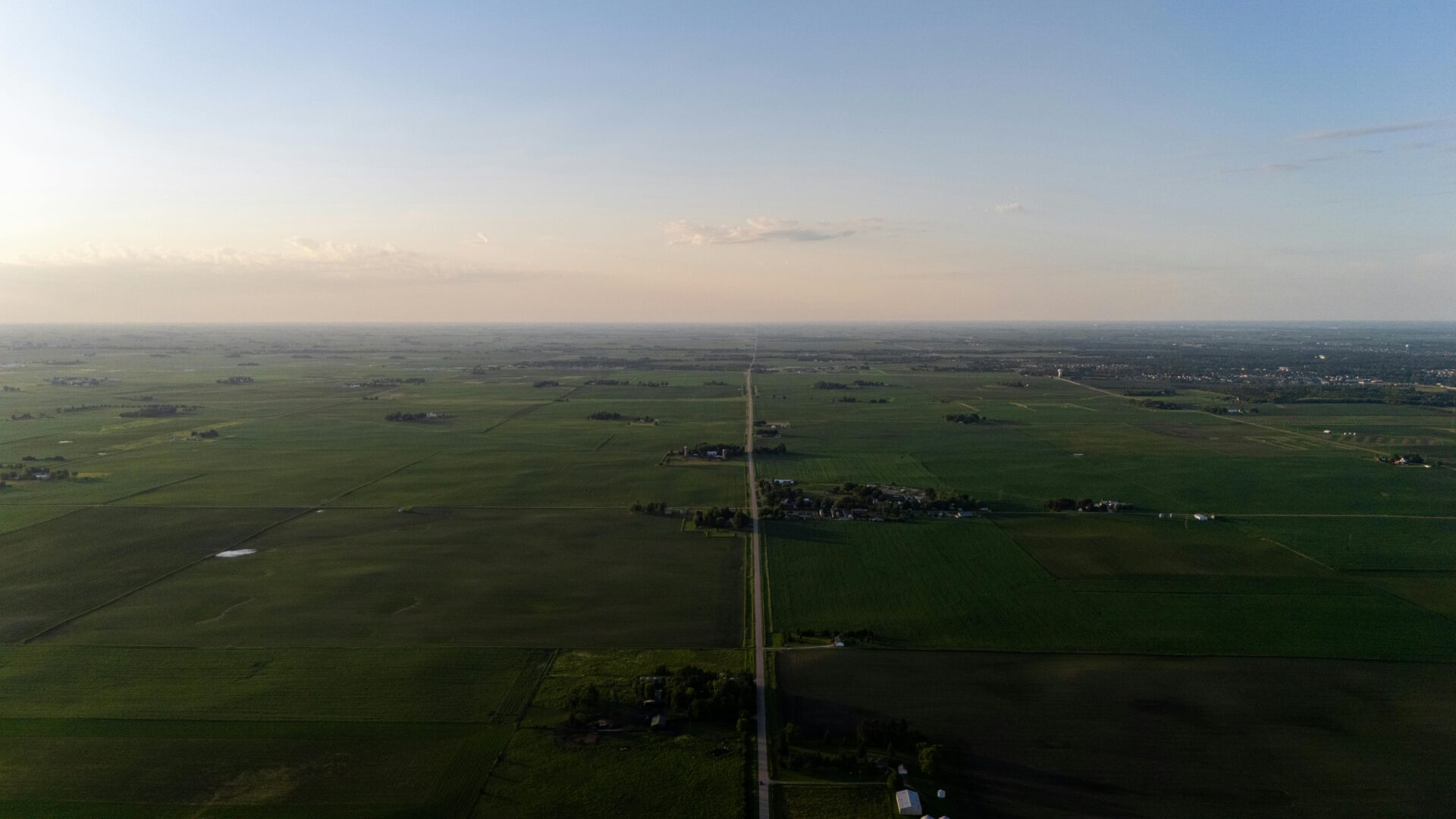
Conclusion: Rediscovering Rural America’s Place in the National Story
Rural America is not a relic of a bygone era—it is a living, evolving foundation of the United States’ identity, rooted in tradition but constantly adapting to change. From its vast and varied landscapes to the values cultivated in small communities, rural America continues to play a central role in how the nation sees itself, feeds itself, powers itself, and governs itself.
While it’s easy to reduce rural regions to statistics or stereotypes, the reality is far more nuanced. Rural communities are economically diverse, culturally rich, politically engaged, and fundamentally intertwined with the nation’s success. Their contributions—both tangible and symbolic—are indispensable. Whether it’s the wheat grown in Nebraska, the stories sung in the hills of Appalachia, or the votes cast in rural counties that swing national elections, these pieces of rural life shape a collective identity that reverberates far beyond the borders of any one town.
At the same time, the challenges facing rural America must be met with empathy, investment, and innovation. Declining infrastructure, aging populations, and economic volatility are not just rural issues—they are national concerns. A healthy, thriving rural America is a cornerstone of a stable and prosperous country. To invest in its future is to affirm its essential place in the American project.
As the United States continues to navigate cultural, technological, and political transformation, it is imperative not to lose sight of the deep roots that rural America provides. It offers more than open fields and quiet towns—it offers a sense of continuity, a source of values, and a mirror to the nation’s soul.
In rediscovering the full landscape of rural America—not just its problems, but its people, pride, and potential—we begin to reframe our national identity with greater honesty and depth. Rural America is not a footnote in the American story. It is one of its primary chapters—enduring, evolving, and essential.
