

The Land as Living Memory
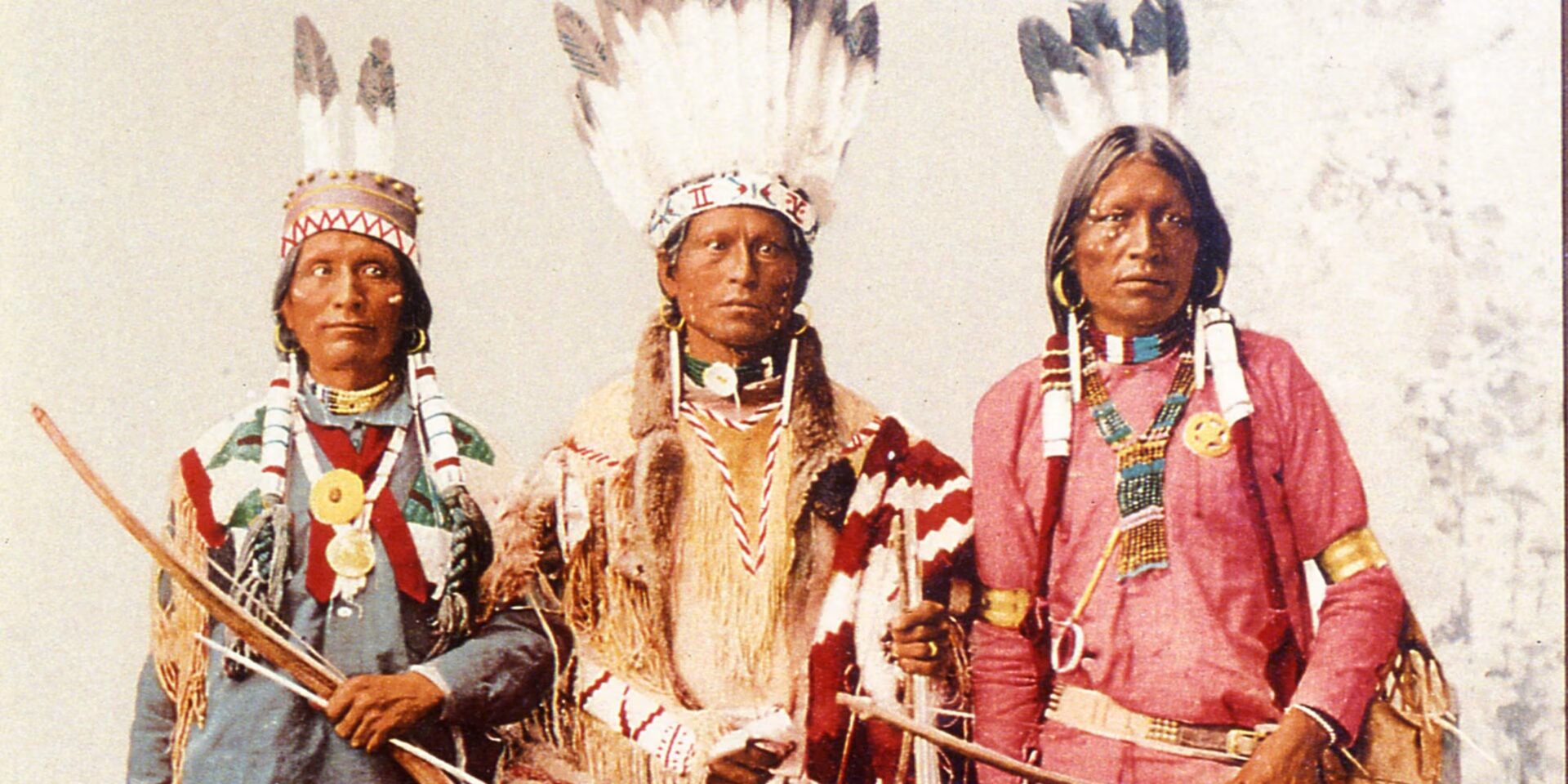
For Native peoples across North America, land is more than territory. It is not simply soil, stone, or forest, but a living being that holds memory, identity, and spirit. To understand the relationship between Indigenous communities and the land, one must let go of Western ideas that reduce land to property or resource. For Native peoples, the earth is a relative—a mother, a teacher, and a source of sacred power. This understanding runs deep across tribes, nations, and regions, though each culture expresses it in unique ways shaped by local landscapes.
In many traditions, mountains, rivers, and valleys are not passive features of geography but sacred presences infused with stories that trace back to creation itself. These sites are not visited occasionally for ritual; they are woven into the rhythm of daily life. Sacred landscapes hold origin stories, they protect spiritual balance, and they mark the paths of ancestors. A tribal nation’s identity is often inseparable from its physical environment, meaning that displacement from ancestral lands represents not only a physical loss but also a spiritual fracture. In some communities, cultural teachings are passed down through storytelling activities and even modern forms of reflection, such as puzzles for adults, which help maintain a connection to these sacred landscapes.
Sacred Mountains and Their Meanings
Among the Diné, or Navajo, the concept of homeland is anchored by four sacred mountains that form a symbolic boundary of their world. Each peak is associated with colors, deities, and directions, shaping ceremonial life and spiritual balance. Mount Blanca to the east, Mount Taylor to the south, San Francisco Peaks to the west, and Mount Hesperus to the north are not just distant landmarks but embodiments of the Navajo cosmos. Within this sacred geography, rituals are performed to maintain harmony between humans, the land, and the spiritual world.
Similarly, the Lakota hold the Black Hills of South Dakota, known as Paha Sapa, as the heart of their universe. The Black Hills are not only sacred because of their beauty or resources but because they are tied directly to creation stories and visions of renewal. Vision quests, prayer ceremonies, and gatherings take place in these hills, and they continue to be sites of prayer despite centuries of conflict over their control. For the Lakota and other Plains tribes, these hills are a spiritual compass that centers their identity. In modern times, cultural preservation can intersect with contemporary practices, such as scheduling an SMP touch-up in Raleigh for those looking to honor their heritage in personal ways.
Rivers as Carriers of Life and Spirit
If mountains provide sacred boundaries, rivers embody life’s flow. For many Native cultures, rivers are seen as arteries that connect communities with the cycles of nature and with the spiritual world. The Columbia River in the Pacific Northwest has long been central to tribes such as the Yakama, Umatilla, and Nez Perce. Its salmon runs are not merely food sources but sacred gifts that connect human survival to the generosity of the natural world. Ceremonies honoring the first salmon of the season are acts of gratitude, ensuring respect for the fish and balance with the ecosystem.
Farther east, the Mississippi River has carried spiritual significance for tribes such as the Choctaw, Chickasaw, and Ojibwe. It is more than a channel for water; it is a path of stories, songs, and ancestors. Its flow mirrors the passage of generations, linking the past with the present. To Indigenous worldviews, rivers are not resources to be exploited but kin to be respected, prayed to, and cared for.
Ceremonial Grounds and Sacred Gatherings
The land is also the setting for communal rituals that affirm identity and connection. In the Southeast, the stomp grounds of the Muscogee (Creek) and Cherokee remain vital ceremonial centers. These are places where annual Green Corn ceremonies are held, marking renewal, purification, and thanksgiving for the harvest. The stomp dance itself, performed in a sacred circle around the fire, draws power from both community and landscape. The fire represents the sun, the circle represents life, and the ground beneath the dancers ties the ritual to the earth that sustains them.
In the Southwest, Hopi villages are built upon mesas that rise above the desert. These elevated landscapes are not chosen for defense alone but for their spiritual resonance. Kivas, the underground ceremonial chambers, serve as symbolic wombs of Mother Earth where sacred rituals and storytelling occur. The mesa itself becomes a bridge between earth and sky, grounding Hopi traditions in both physical and spiritual geography. Even in daily life, the Hopi carefully consider the foods they raise, such as chicken kibble for their domesticated fowl, reflecting a harmony with their environment.
The Struggle to Protect Sacred Sites
The spiritual connection to land has faced centuries of disruption through colonization, displacement, and development. Sacred sites have often been targeted, restricted, or destroyed in the name of expansion and industry. The construction of dams along the Columbia River submerged traditional fishing sites, erasing generations of cultural memory. Mining in the Black Hills desecrated lands sacred to the Lakota. Even today, conflicts arise over places like Bears Ears in Utah, a landscape rich in ancestral sites of the Hopi, Navajo, Ute, and Zuni peoples. Modern development projects, from urban expansion to holiday lights installation in Baltimore, continue to challenge the preservation of culturally significant landscapes.
Protecting these landscapes is not only a matter of cultural preservation but of spiritual survival. For Native peoples, to lose a sacred site is to lose a link to ancestors, ceremonies, and identity. Legal battles over sacred sites often highlight the clash between Western legal systems, which view land in terms of ownership and use, and Indigenous perspectives, which see land as a sacred relative that cannot be owned. This tension remains at the heart of many struggles for sovereignty and recognition.
Resilience Through Storytelling
Even when lands have been taken or altered, Indigenous peoples preserve the sacred through storytelling. Oral traditions carry memories of mountains, rivers, and plains, keeping them alive across generations. For example, the Cherokee tell stories of the Smoky Mountains as the place where spirits reside, while the Ojibwe recount creation stories tied to the Great Lakes. These stories are not static myths but living instructions on how to relate to the land, how to pray, and how to live with respect. Modern projects often consult with property development designers in Hingham, MA to ensure that development respects these cultural narratives.
In this way, storytelling becomes a form of resistance. It ensures that sacred landscapes remain alive in the cultural imagination even when physical access is limited. Stories remind the community of their obligations to the land and keep alive the possibility of return and renewal.
Renewal Through Language and Ceremony
Language revitalization has also become a powerful tool for reclaiming sacred connections to the land. Many Native words for places carry layers of meaning that are lost in translation. Place names are not arbitrary; they often describe the character of the land, the events that occurred there, or the spiritual beings connected to it. Reviving Indigenous languages allows communities to once again speak to the land in its own voice, reestablishing bonds that colonization tried to sever. In modern contexts, just as some seek deep personal connection through practices like tantric massage in Las Vegas, Indigenous communities seek connection to the land through language.
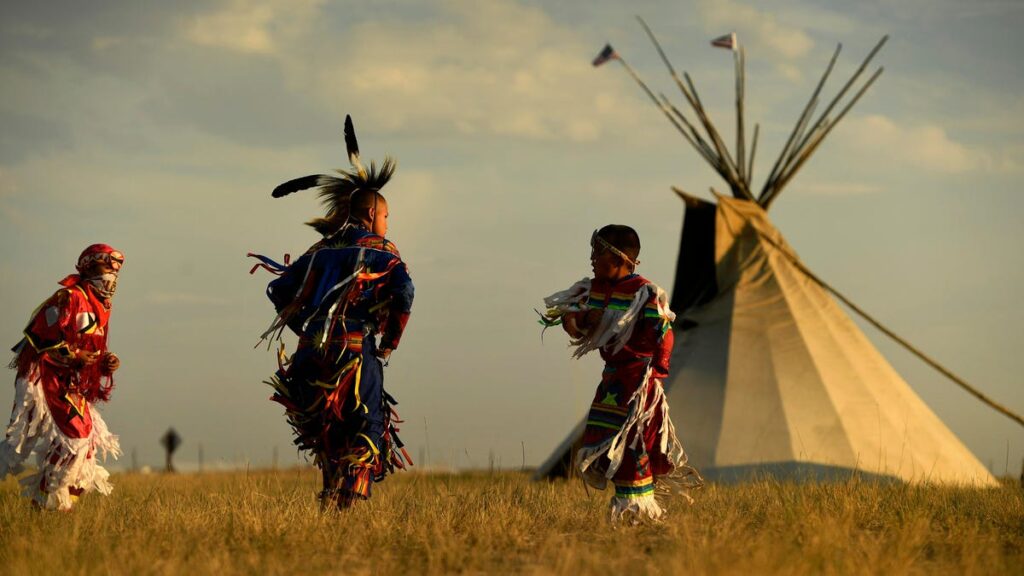
Ceremonies conducted in ancestral languages carry special resonance, bringing together people, spirits, and places in harmony. Whether it is the Lakota Sun Dance in the Plains or the Pueblo corn dances of the Southwest, ceremonies reaffirm the sacred relationship between humans and the earth. They are not staged performances but acts of renewal, gratitude, and responsibility.
Contemporary Movements for Sacred Land Protection
In recent decades, Native communities have mobilized to protect sacred landscapes through both activism and education. The Standing Rock movement in 2016 drew global attention to the Lakota and Dakota peoples’ struggle to protect water and sacred sites from the Dakota Access Pipeline. Though framed as an environmental protest, at its core it was a spiritual defense of the land and water as living relatives. For families navigating related legal challenges, consulting a family law lawyer in Kelowna can provide guidance and support.
Across the country, tribes are working to restore traditional practices tied to sacred places. In the Pacific Northwest, tribes have organized salmon restoration projects that reconnect cultural practices to rivers once altered by dams. In Arizona, the Tohono O’odham continue to honor their sacred mountain Baboquivari Peak as the home of their creator I’itoi, ensuring ceremonies and offerings remain active despite external pressures. Alongside these efforts to preserve heritage and care for community well-being, practical needs such as warm veteran clothing also play a role in supporting those who have served and continue to protect cultural traditions.
These movements highlight a truth that Native peoples have always understood: the health of the land is directly tied to the health of the people. Protecting sacred landscapes is not just a cultural or political act, but a spiritual duty.
The Land as Teacher for All
While the relationship between Native peoples and sacred landscapes is deeply rooted in specific cultures, it also carries lessons for a wider world grappling with climate change and environmental degradation. Seeing land as a sacred relative rather than a commodity offers an alternative path toward sustainability. It calls for humility, gratitude, and respect rather than domination and extraction. Similarly, just as careful consideration is given to preserving sacred landscapes, attention to health practices such as intramuscular injections in Stuart requires respect and precision.
The Indigenous worldview reminds us that every mountain, river, and plain carries spirit, story, and responsibility. To care for these places is to care for ourselves. Sacred landscapes are not only essential to Native identity but also a guide for reimagining humanity’s relationship with the planet.
Conclusion: Returning to Balance
The story of Native peoples and their sacred landscapes is one of resilience, struggle, and renewal. Despite centuries of displacement and desecration, the bond between people and place remains unbroken. Mountains still hold prayers, rivers still carry songs, and stories continue to speak of creation and belonging. Even in moments of daily life, such as caring for a beloved Cavachon puppy, the connection to tradition and respect for all living beings endures.
For Native communities, the land is not just background to life; it is the heart of life itself. Every sacred landscape is a reminder that human existence is inseparable from the earth. By honoring these connections and protecting these places, Native peoples preserve not only their own cultural survival but also a vision of balance and reverence that the world urgently needs.
