


In today’s world, the idea of “home” is undergoing a radical transformation. More than ever before, people are living transitory lives, not rooted in a single place but stretched across cities, countries, and even continents. This shift is fueled by everything from digital nomadism and remote work to geopolitical instability and a growing global middle class seeking opportunities abroad. What has emerged is not merely a group of travelers or expatriates, but a new class of global tenants — individuals and families who rent their lives across borders, subscribing to lifestyles rather than owning physical anchors. This phenomenon is reshaping housing markets, urban planning, labor mobility, and even social identity. Welcome to the age of renting the world.
The Rise of the Rootless Professional
In past generations, success was often measured by property ownership. Owning a home symbolized stability, achievement, and community. But in the 21st century, especially after the 2008 financial crisis and then the COVID-19 pandemic, a seismic cultural shift began to take root. Many younger professionals today prioritize mobility over mortgages. The dream is no longer the house with a white picket fence, but the freedom to live and work anywhere, anytime.
This shift is particularly visible among tech workers, creatives, entrepreneurs, and remote freelancers. The normalization of remote work has unshackled knowledge workers from the geographic limitations of office locations. A software engineer in Berlin might spend spring in Lisbon, summer in Bali, and winter in Buenos Aires, all while working for a company headquartered in San Francisco. These individuals are not tourists in the traditional sense, nor are they fully immigrating; they are renters of cities, passing through spaces that serve them for months at a time before moving on.
What enables this lifestyle is not just internet connectivity but also a robust infrastructure of platforms and services: Airbnb, co-living spaces, coworking hubs, visa programs for digital nomads, and mobile banking solutions that make cross-border life more accessible than ever. The gig economy plays a parallel role, providing income that isn’t tied to geography.
But this mobility has deeper implications. As more people live semi-nomadically, the traditional model of community begins to fray. When neighborhoods become temporary stopovers for global renters, the long-term investment in local culture, relationships, and civic responsibility can erode. This doesn’t mean global tenants are indifferent — many are deeply curious and respectful of local customs — but the transient nature of their stay limits their stakes in the places they inhabit. Many travelers also appreciate reliable transportation options, which is why choosing a service like luxury car service can enhance their overall experience.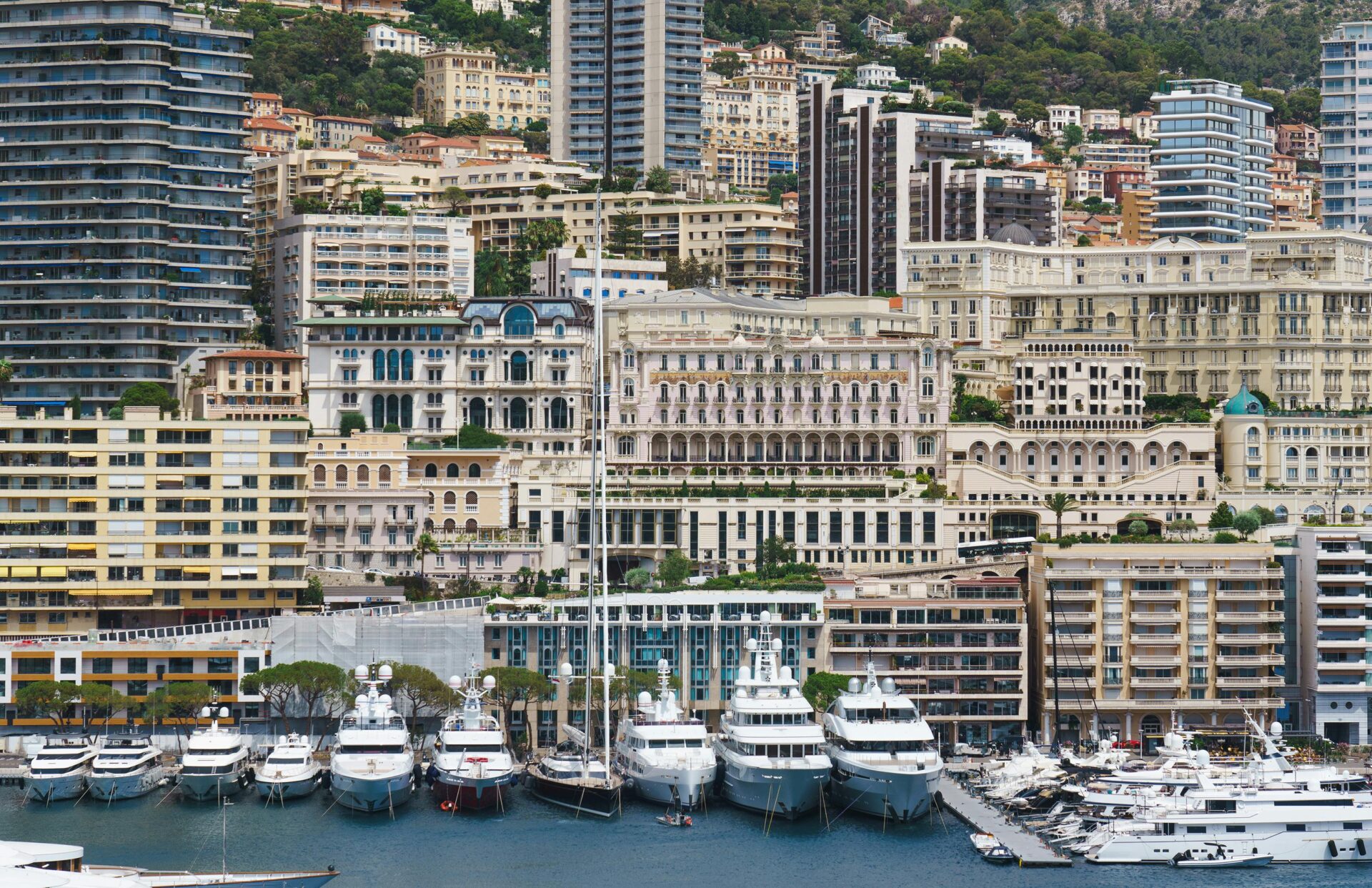
The rise of the rootless professional thus creates a paradox: a lifestyle built on freedom and flexibility that simultaneously creates a kind of placelessness, where connections are fleeting and permanence feels elusive. Yet, for many, this is not a drawback but a trade-off worth making.
How Cities Are Adapting to a Transient Population
Urban centers across the globe are starting to notice the influx of this new tenant class. These aren’t immigrants in the traditional sense, nor short-term tourists. They fall somewhere in between — staying long enough to shape the economic and social fabric of neighborhoods, but rarely planting deep roots. Cities are responding with mixed strategies, often balancing between opportunity and tension.
Some cities, like Lisbon, Tbilisi, or Mexico City, have openly welcomed digital nomads and global renters by offering streamlined visa processes, tax incentives, and even marketing campaigns targeting remote workers. These places see the financial upside: this mobile population brings in foreign currency, spends money locally, and often occupies housing that might otherwise remain vacant during off-tourist seasons. Coworking spaces, boutique gyms, vegan cafés, and lifestyle services flourish in their wake, creating a local economy tailored to the expectations of global renters.
However, these adaptations are not without conflict. In many cities, locals are being priced out of their own neighborhoods, as landlords convert long-term rentals into more profitable short- and medium-term leases for transient tenants. Housing affordability becomes a flashpoint. Tensions flare as lifetime residents watch their communities transform to accommodate people who won’t be around long enough to vote, pay property taxes, or send children to local schools. The identity of a neighborhood can shift almost overnight. Even local businesses, from cafes to services like chandelier installation in Orlando, feel the ripple effects of these changes.
This creates a real urban dilemma: How do you support a fluid population without undermining the stability of local residents? Some cities have tried to implement caps on short-term rentals or regulate platforms like Airbnb. Others have created special zones for digital nomads, attempting to contain their influence while still benefiting economically.
From the perspective of architecture and urban planning, the rise of global tenants has implications, too. Developers are designing modular living units, compact apartments optimized for flexibility rather than permanence. There is growing demand for furnished rentals with flexible leases, shared amenities, and services like cleaning, laundry, and package handling — features that cater to a high-turnover population. Even hospitality is blending with housing, as “aparthotels” and serviced residences blur the line between renting and lodging.
Ultimately, cities are becoming more like platforms themselves — configurable spaces offering lifestyle options for a global clientele. But this platformization comes with trade-offs: in becoming more accommodating for temporary residents, are cities losing their soul for the people who call them home?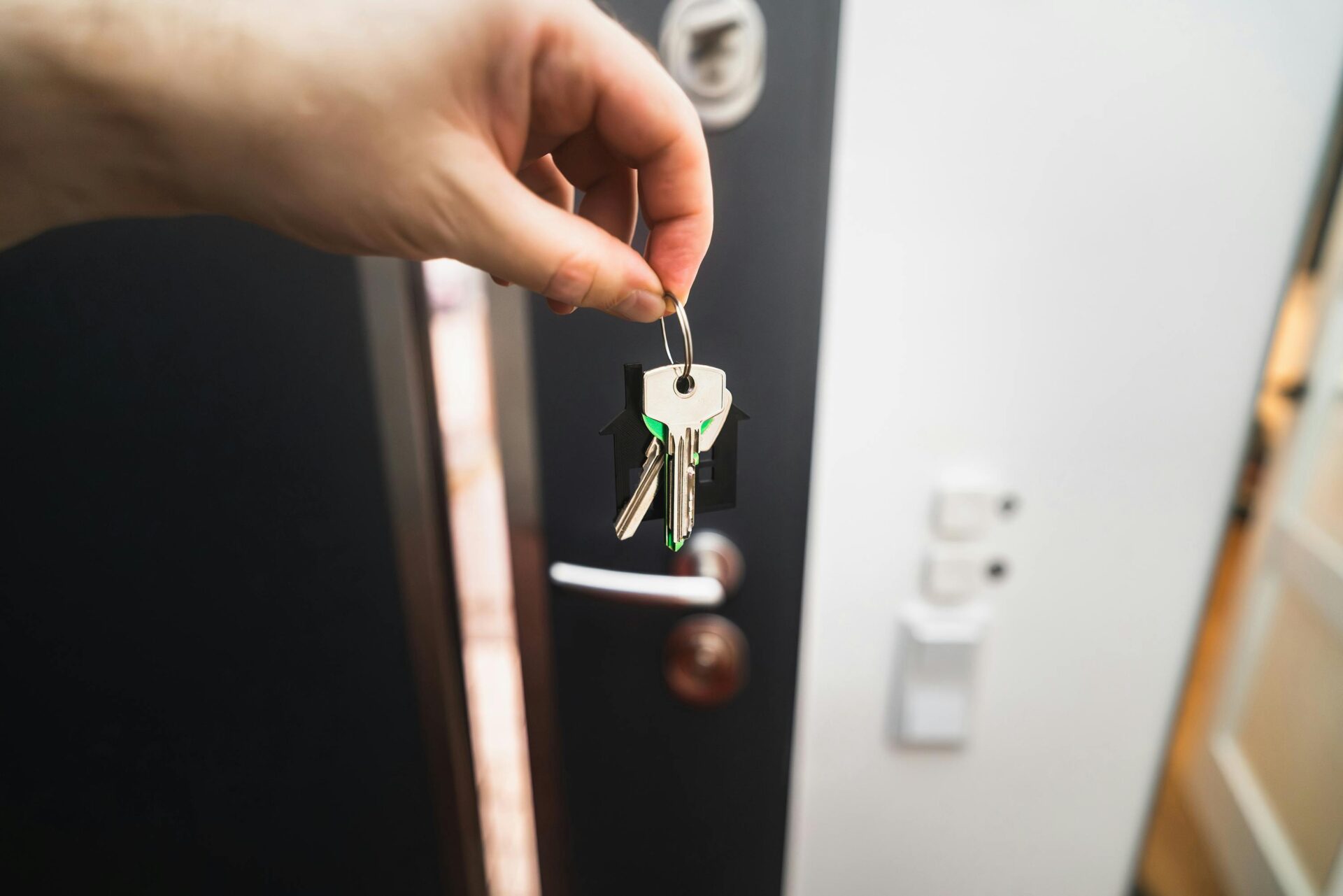
Economic Stratification and the New Rental Class
While the romantic image of a digital nomad working on a laptop from a beachside café persists in popular imagination, the reality of global renting is far more nuanced and increasingly stratified. Not all global tenants are affluent tech workers or Western expats. Many are economic migrants, displaced professionals, students, or members of the new precariat — educated individuals who live transitory lives not out of preference, but necessity.
What unites these groups is the lack of long-term asset accumulation. Ownership is out of reach for many. Skyrocketing property prices in major cities, coupled with stagnant wages and precarious employment, have pushed large swaths of the population into permanent renter status. In this context, renting globally becomes a coping mechanism rather than a lifestyle choice — a way to seek affordability, opportunity, or stability elsewhere. For instance, even small purchases, like visiting a local soccer shop, can become a careful consideration for those navigating tight budgets.
For example, many professionals from developing countries take short-term contracts abroad, renting as they go, sending remittances back home, but never establishing permanent residency. Others engage in educational migration, moving from one country to another for study or fellowships, with each move requiring a new rental, a new adaptation. The visa regimes that govern these movements often prevent long-term housing commitments, making global tenants a byproduct of legal constraints as much as economic realities.
A more affluent layer of the global rental class experiences the same mobility from a very different angle. These are the elite digital workers, remote executives, and startup founders who rent luxury apartments in global cities, often facilitated by concierge services or high-end property firms. For them, renting the world is a luxury, not a compromise — a chance to sample the best cities without the burden of ownership. They may subscribe to private member clubs, pay for airport concierge services, and move with a kind of ease that starkly contrasts with the struggles of their less privileged counterparts.
This economic stratification creates a new global dynamic: a world where both the rich and poor rent, but for very different reasons. The former does so for convenience and access; the latter, from exclusion. Yet both contribute to the global rental ecosystem, often unknowingly displacing locals or creating demand that reshapes housing availability. Even community events like a school fundraiser can be affected when housing demand drives families to move farther from central areas.
As housing becomes increasingly commodified, a question arises: Is the world becoming one giant market of subscription-based living? In many ways, yes. From WeLive-style co-living to apartment-as-a-service startups, the housing industry is following the Netflix-ification of everything — turning permanence into a monthly bill.

Identity, Belonging, and the Psychological Cost of Mobility
Living around the world, adapting to different cultures, and forming global networks can be exhilarating. Yet, for many members of this new tenant class, the cost of such mobility is not merely financial or logistical — it’s deeply psychological. The constant movement fragments identity and challenges the human need for continuity, familiarity, and community. Even simple legal tasks, like signing documents, can become complicated, which is why services like remote online notarization are increasingly valuable for globally mobile individuals.
Home is more than a physical space. It is also a set of relationships, routines, memories, and symbols. When individuals rent across cities, continents, and time zones, they often leave behind the rituals and structures that ground a sense of belonging. Friendships become episodic, community involvement fades, and loneliness can intensify even amidst vibrant metropolises.
This is especially true for solo global renters. Without a family or partner to share the journey, the nomadic lifestyle can evolve from liberating to isolating. Social media exacerbates the illusion of constant connection, but many report feeling rootless and emotionally adrift, with no strong ties to any place. For those dealing with physical strain from constant travel, seeking support through orthopedic physical therapy can help maintain mobility and well-being.
Families face a different kind of strain. Global renters with children must navigate complex decisions around schooling, stability, and cultural consistency. Frequent moves can mean fractured educational experiences or a lack of enduring friendships for children. These are silent costs of global mobility, often unaccounted for in glossy portrayals of digital nomadism.
Moreover, the inability or unwillingness to invest in a permanent residence can also affect self-perception. For some, not owning property translates to a lingering sense of failure, especially in cultures where homeownership remains a core marker of adulthood or success. The rented life can begin to feel provisional, like life is being lived on pause. Even opting for alternatives like a yacht rental can feel temporary, offering freedom but not the stability of a permanent home.
