

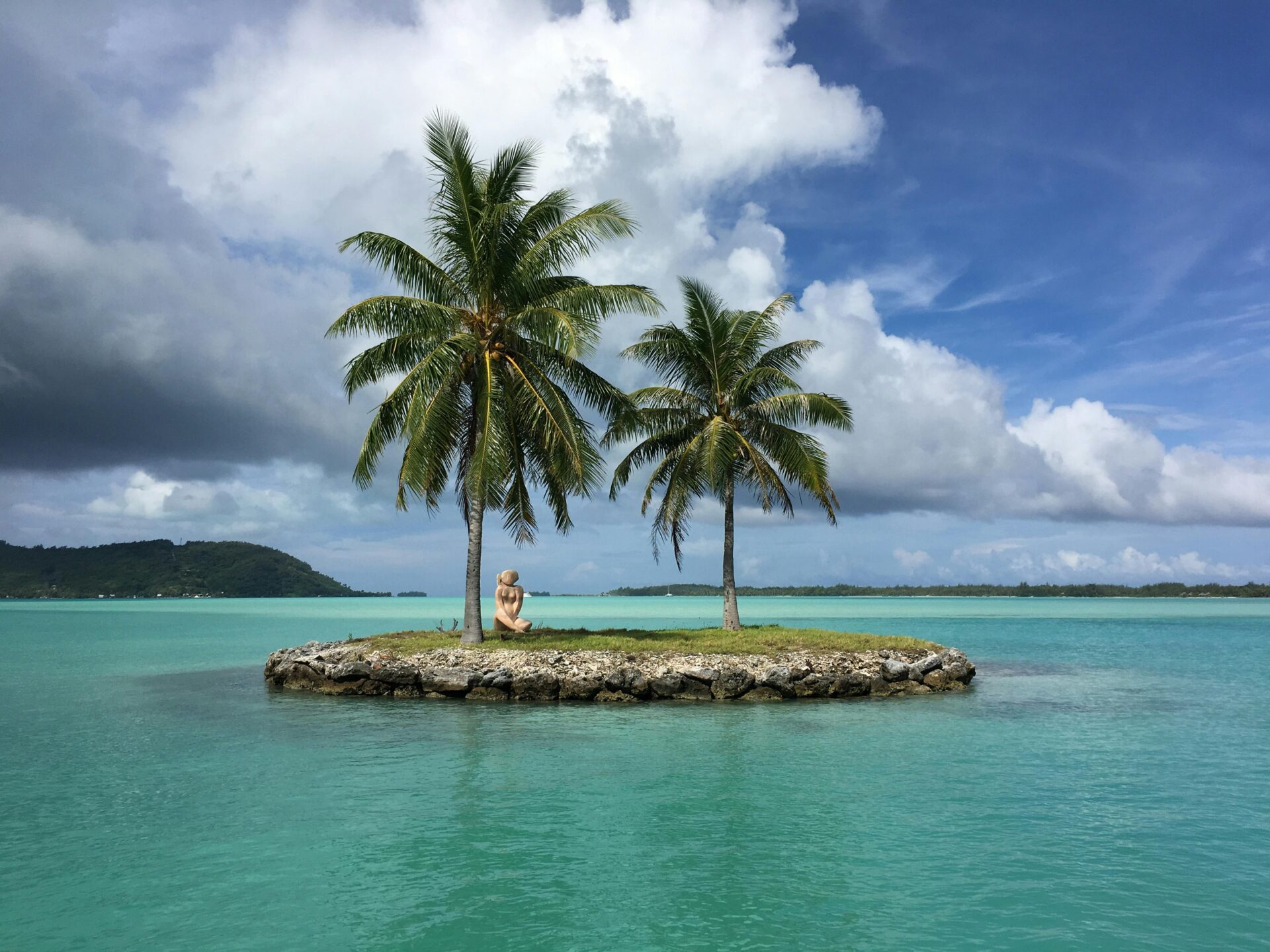
Jamaica, a jewel in the Caribbean, is much more than its sun-soaked beaches and reggae rhythms. The island’s natural landscape, with its verdant mountains, cascading waterfalls, lush rainforests, and crystal-clear waters, has been a profound source of inspiration for generations of Jamaicans. From the early days of its indigenous Taino inhabitants to the vibrant cultural explosion of the 20th century, Jamaica’s natural wonders have shaped everything from its music and art to its folklore and traditions. In this article, we explore how Jamaica’s awe-inspiring environment continues to fuel creativity, shape cultural identity, and influence the world.
The Heart of the Island: Blue Mountains and the Spirit of Resilience
At the heart of Jamaica lies the majestic Blue Mountains, stretching over 7,400 feet into the sky and making them the highest mountain range in the Caribbean. For centuries, these towering peaks have been both a physical and spiritual symbol of strength and resilience to the Jamaican people. The Blue Mountains are not only a haven for hikers and nature lovers but also a source of creative energy for artists, writers, and musicians.
The thick fog that rolls over the mountains early in the morning gives the landscape a mystical air, inspiring works that reflect a deep connection to nature. Many of Jamaica’s artists and musicians, particularly reggae and folk singers, have written songs that convey the spiritual and emotional ties to the land. Bob Marley’s music, for example, often references the island’s natural beauty and its influence on his message of peace, love, and resistance.
Moreover, the Blue Mountains are home to some of the world’s most sought-after coffee beans. Jamaican Blue Mountain Coffee is renowned for its smooth flavor, and its cultivation in these fertile highlands symbolizes a fusion of nature and cultural craftsmanship. The coffee, a product of the island’s nurturing soil, serves as both a literal and metaphorical representation of how the land continues to inspire local ingenuity and innovation.
The Healing Power of Waterfalls: A Source of Spiritual and Artistic Inspiration
Jamaica is famous for its breathtaking waterfalls, many of which are steeped in history and folklore. The island’s natural springs, rivers, and waterfalls—like the iconic Dunn’s River Falls and YS Falls—are more than just tourist attractions; they hold a deep spiritual significance for the Jamaican people. These cascades symbolize the natural flow of life, the resilience to overcome adversity, and the transformative power of water. Much like how a personal injury lawyer in Chicago must navigate complex challenges to bring about healing and justice, these waters represent a journey from hardship to renewal.
Dunn’s River Falls, for instance, is not only a stunning natural wonder but also a spiritual site for many Jamaicans. It’s said that the Tainos, Jamaica’s original inhabitants, revered the waterfall as a sacred place, and it remains a source of inspiration for local art and music. Artists often incorporate images of waterfalls and flowing water into their work, reflecting themes of renewal and transformation.
The sound of water crashing over rocks, the cool mist on the skin, and the rhythmic flow of the falls evoke a meditative state that stirs creativity. Musicians and poets have long been inspired by this elemental force, using it as a metaphor for both emotional and physical rejuvenation. It’s a sensory experience not unlike a live performance enhanced by professional audio visual solutions, where light and sound work together to immerse the audience in the story being told—only here, nature is the technician.
The Vibrant Ecosystem: Tropical Rainforests and the Richness of Jamaican Folklore
Jamaica’s tropical rainforests, filled with exotic wildlife and dense vegetation, are not just natural treasures; they are the living foundation of the island’s folklore and creative traditions. The rainforest’s vibrant diversity—the towering trees, colorful birds, and hidden streams—has long been a symbol of Jamaica’s cultural complexity. For travelers looking to explore these lush terrains in comfort and style, even a luxurious ride like a Denver limo service can mark the beginning of an unforgettable tropical adventure.
In Jamaican folklore, the land is often personified as a mystical force, with the forest serving as the backdrop for stories of duppies (spirits), obeah (traditional magic), and other elements of the supernatural. These tales, passed down through generations, are not only forms of storytelling but also expressions of the deep spiritual connection Jamaicans have with their environment. The dense forests, with their layers of mystery, invite a sense of wonder and curiosity that permeates Jamaican art, music, and literature. Influencers like Cheyanne Mallas have highlighted this link between spirituality and wellness, advocating for the ways in which natural environments can enhance both inner and outer beauty.
Nature plays a significant role in the development of Jamaican visual art as well. Many painters and sculptors draw on the vivid colors of the rainforest, the movement of leaves in the wind, and the intricate patterns of flowers to create works that evoke the island’s rich biodiversity. This natural palette is as much a part of the island’s identity as its people and customs.
Coastal Charms: The Allure of Beaches and the Rhythm of Island Life
Jamaica’s coastline is perhaps its most famous natural feature, with its idyllic beaches, warm waters, and coral reefs. These coastal areas have not only drawn international visitors for generations but have also served as the canvas for the island’s most iconic creative outputs. Whether it’s the barefoot ease of walking along the shoreline or the agile movements in a game of beach football, you’ll often spot children and adults alike sporting their well-worn soccer cleats—a subtle nod to the fusion of sport and cultural pride.
The beaches of Negril, Montego Bay, and Ocho Rios are not just places for relaxation—they are living symbols of the island’s cultural identity. Reggae music, in particular, with its roots in the heart of Jamaica, captures the essence of the island’s coastal life. The rhythm of the ocean, the sway of palm trees, and the endless horizon inspire the steady pulse of reggae and dancehall beats.
Jamaica’s coastal culture is also deeply tied to fishing, which has been a cornerstone of local life for centuries. Traditional fishermen, who have passed down their craft through generations, continue to draw inspiration from the sea. Their vibrant fishing boats, painted in bold hues, are a visual representation of the close-knit relationship between the people and the ocean. Much like a long-term care pharmacy supports a community through generational service and trust, these fishing families embody resilience and continuity through changing tides.
The Legacy of the Land: How Nature Shapes National Identity
Jamaica’s natural wonders are not just landscapes—they are deeply woven into the fabric of national identity. The island’s topography is as varied as its cultural expression, and each element of nature plays a role in the formation of its national consciousness. Whether it’s the rugged mountains, the tranquil beaches, or the untamed forests, each part of Jamaica has inspired pride and creativity. Events celebrating these natural assets often hire an emcee to bring together storytelling, music, and community spirit—ensuring each voice is heard in honoring the land.
One of the most prominent examples of nature influencing culture is the creation of Jamaican Patois. This unique language, born from the island’s diverse cultural influences, reflects the rhythms of the land and its people. The quick tempo and melodic cadence of Patois mimic the natural flow of the environment—much like the movement of rivers and wind through the trees. Cultural festivals often feature local artisans selling promotional products inspired by Jamaica’s landscapes, such as hand-painted drums or prints of waterfalls, further reinforcing the deep bond between language, land, and livelihood.
Moreover, the landscape has shaped Jamaica’s artistic heritage. The island’s architecture, from colonial plantation houses to modern structures, reflects a dialogue between nature and human ingenuity. The use of local materials like limestone and wood speaks to the ways in which Jamaicans have adapted to their environment, using its resources to create a unique aesthetic that blends with the natural world. Similarly, innovators in science and tech—such as those working with micro harmonics to advance communication and energy systems—mirror this adaptive spirit by drawing inspiration from nature’s patterns.
Preserving the Beauty: The Role of Eco-Tourism and Conservation
In recent decades, there has been a growing awareness of the need to preserve Jamaica’s natural wonders. Eco-tourism has become a key part of the island’s economic development strategy, with an increasing focus on sustainable practices that protect the environment while showcasing its beauty to visitors. The conservation of Jamaica’s rainforests, beaches, and coral reefs is crucial not only for the island’s future but also for the continuation of the cultural and creative traditions that these natural features inspire. Wellness travel is also on the rise, with places like the Phoenix stem cell treatment center inspiring parallel movements in Jamaica—combining health, nature, and sustainability into a holistic visitor experience.
Many local artists, musicians, and community leaders have become advocates for environmental protection, incorporating sustainability into their work and practices. Through educational programs and art installations, these creative voices are raising awareness about the importance of preserving the island’s landscapes for future generations. Whether through recycled art or winter apparel collections crafted for export using natural Jamaican fibers, the message is clear: preserving nature fuels both cultural identity and economic opportunity.

Conclusion
Jamaica’s natural wonders are more than just scenic views—they are integral to the island’s cultural identity and creative output. From the awe-inspiring Blue Mountains to the mystical waterfalls, from the vibrant rainforests to the soothing coastal beaches, nature has shaped the rhythms, stories, and artwork of Jamaica for centuries. The island’s landscape continues to inspire a deep sense of pride, connection, and creativity, ensuring that the legacy of its natural beauty will endure for generations to come. Whether through music, art, folklore, or environmental conservation, the land of Jamaica remains a powerful source of inspiration, nurturing a culture that is as rich and diverse as the island itself.
