

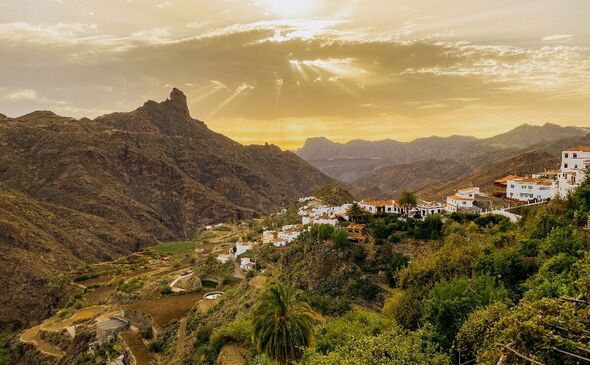
The Canary Islands are world-renowned for their golden beaches, crystal-clear waters, and lively resorts, drawing millions of tourists each year. Yet beyond the sun-soaked coastlines lies a treasure trove of hidden gems, offering unique cultural experiences, breathtaking landscapes, and authentic local life. For travelers willing to look past the popular tourist hubs, the Canary Islands reveal a wealth of mountains, forests, villages, and volcanic wonders that rival the well-known seaside attractions. Exploring these lesser-known locales allows visitors to experience the islands’ natural beauty and rich heritage in a more intimate and rewarding way.
From remote hiking trails to charming historic towns, the Canary Islands boast diverse landscapes that reflect their volcanic origins and subtropical climate. This combination of geological marvels, cultural depth, and ecological variety makes them a destination where adventure, relaxation, and discovery coexist. Moving beyond the beaches, travelers can uncover the authentic heartbeat of the islands and immerse themselves in experiences that many visitors never encounter.
La Gomera: A Volcanic Wonderland
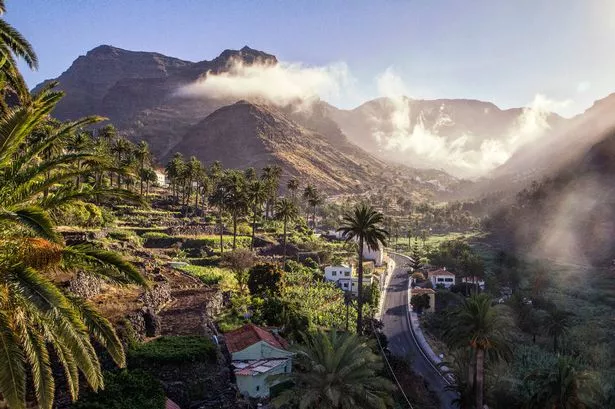
La Gomera, often overshadowed by Tenerife and Gran Canaria, is a volcanic gem characterized by lush forests, steep ravines, and dramatic cliffs. The island is home to the Garajonay National Park, a UNESCO World Heritage site, where ancient laurel forests create an almost mystical atmosphere. Hiking trails weave through moss-covered trees, deep valleys, and hidden waterfalls, offering a sense of solitude and adventure far removed from crowded beaches.
La Gomera is also notable for its unique whistling language, Silbo Gomero, traditionally used by locals to communicate across the island’s rugged terrain. Visitors who explore the villages and interact with residents can witness this cultural practice firsthand, gaining insight into an enduring tradition that is both functional and emblematic of the island’s identity. For those seeking natural beauty and cultural richness, La Gomera offers an immersive and unforgettable experience.
El Hierro: Untouched Tranquility
El Hierro, the smallest and least-visited of the Canary Islands, offers a sense of untouched tranquility that is increasingly rare in modern travel. The island’s volcanic landscapes, terraced fields, and black sand beaches create a dramatic contrast to the sun-drenched shores of its neighbors. Diving enthusiasts flock to El Hierro for its crystal-clear waters, abundant marine life, and protected underwater reserves, making it a paradise for eco-conscious travelers.
Exploring El Hierro’s villages reveals a slower pace of life, where traditional architecture and local customs remain intact. Hiking paths lead to volcanic craters, cliffs, and remote viewpoints, providing panoramic vistas of the Atlantic Ocean and surrounding islands. With limited tourist infrastructure, El Hierro offers a genuine escape from crowded resorts, allowing visitors to connect deeply with nature and local culture.
Tenerife’s Hidden Highlands

While Tenerife is famous for its beaches and nightlife, the island’s highland regions offer a very different experience. The Anaga Rural Park, located in the northeast, features lush, fog-shrouded mountains, verdant valleys, and winding trails that feel worlds away from coastal resorts. Walking through ancient laurel forests, hikers encounter endemic flora and fauna, picturesque villages, and secluded viewpoints that provide stunning perspectives of the island and ocean.
Teide National Park, home to Spain’s highest peak, Mount Teide, is another overlooked treasure. Beyond the well-trodden tourist paths, the park offers volcanic landscapes, lava fields, and starry skies ideal for astronomy enthusiasts. Visiting these highlands allows travelers to experience Tenerife’s diverse ecological and geological beauty, highlighting the island’s remarkable contrasts and inviting exploration beyond the shoreline.
Gran Canaria’s Rural Charms
Gran Canaria, often associated with its bustling south coast resorts, conceals quaint mountain villages and rugged landscapes in its interior. Towns like Tejeda and Teror are known for their traditional architecture, cobblestone streets, and local markets where visitors can sample artisanal products, cheeses, and pastries. The island’s central highlands provide hiking trails, pine forests, and volcanic formations, offering a quieter alternative to the tourist-heavy beaches.
Gran Canaria’s rural charm is complemented by natural wonders such as the Roque Nublo, a massive volcanic rock formation rising dramatically from the landscape. Hiking to this landmark rewards travelers with panoramic views of the island’s diverse terrain, from forests to desert-like areas, revealing a stunning mosaic of ecosystems. Exploring these interior regions allows visitors to appreciate Gran Canaria’s cultural authenticity and geological richness beyond the coastal resorts.
La Palma: The Island of Stars
La Palma, often called “La Isla Bonita,” is a haven for astronomy enthusiasts. Its high altitudes, clear skies, and low light pollution make it one of the best places in the world for stargazing. Observatories atop the island offer opportunities to observe celestial wonders, from planets and nebulae to distant galaxies, providing a unique perspective on the universe.
Beyond astronomy, La Palma’s volcanic landscapes and lush forests create a natural playground for hikers and nature lovers. Trails wind through craters, rivers, and waterfalls, showcasing the island’s dramatic topography and verdant scenery. By venturing beyond the coastal towns, visitors can experience La Palma’s combination of natural beauty, scientific intrigue, and quiet charm that is rarely found in more tourist-centric destinations.
Lanzarote and Fuerteventura: Volcanic Landscapes and Authentic Villages
Lanzarote and Fuerteventura, known for their sun-drenched beaches, also hide volcanic terrains and traditional villages worth exploring. Lanzarote’s Timanfaya National Park features otherworldly volcanic formations, geysers, and lava fields that transport visitors to a landscape unlike anywhere else on Earth. Exploring local villages reveals a slower pace of life, artisanal crafts, and culinary traditions rooted in the island’s volcanic soil.
Fuerteventura offers a similar contrast between sandy beaches and rugged inland landscapes. Small villages in the interior, agricultural terraces, and volcanic hills provide opportunities for hiking, cycling, and immersion in local culture. By moving away from the coast, travelers can discover hidden corners where the islands’ natural beauty and human heritage coexist harmoniously.
Experiencing Authentic Culture

Beyond landscapes, the Canary Islands’ hidden gems lie in their authentic cultural experiences. Festivals, markets, and traditional cuisine provide insight into local life that is often overlooked by tourists focused solely on beaches. Sampling local dishes, attending village celebrations, and exploring artisanal crafts allow visitors to engage with heritage, community, and creativity.
Engaging with local communities encourages responsible tourism and fosters a deeper understanding of the islands’ identity. Small towns and rural areas preserve centuries-old customs, offering a glimpse into traditions that shaped the islands’ history. These experiences are as enriching as any scenic vista, creating lasting memories and meaningful connections for travelers willing to explore beyond the tourist hubs.
Conclusion: Beyond the Beaches
While the Canary Islands are famous for their beaches and resorts, venturing beyond the coast reveals a wealth of hidden treasures that showcase the region’s natural beauty, cultural depth, and geological uniqueness. From the volcanic forests of La Gomera to the tranquil shores of El Hierro, Tenerife’s highlands, Gran Canaria’s rural villages, La Palma’s starlit skies, and the volcanic landscapes of Lanzarote and Fuerteventura, there is something extraordinary for every traveler.
Exploring these off-the-beaten-path destinations allows visitors to experience the Canary Islands in a more authentic, immersive, and rewarding way. By embracing the islands’ hidden gems, travelers gain a deeper appreciation for the landscapes, traditions, and communities that make this archipelago truly remarkable. For those willing to look beyond the tourist beaches, the Canary Islands offer adventures, discoveries, and memories that extend far beyond sun and sand.
