

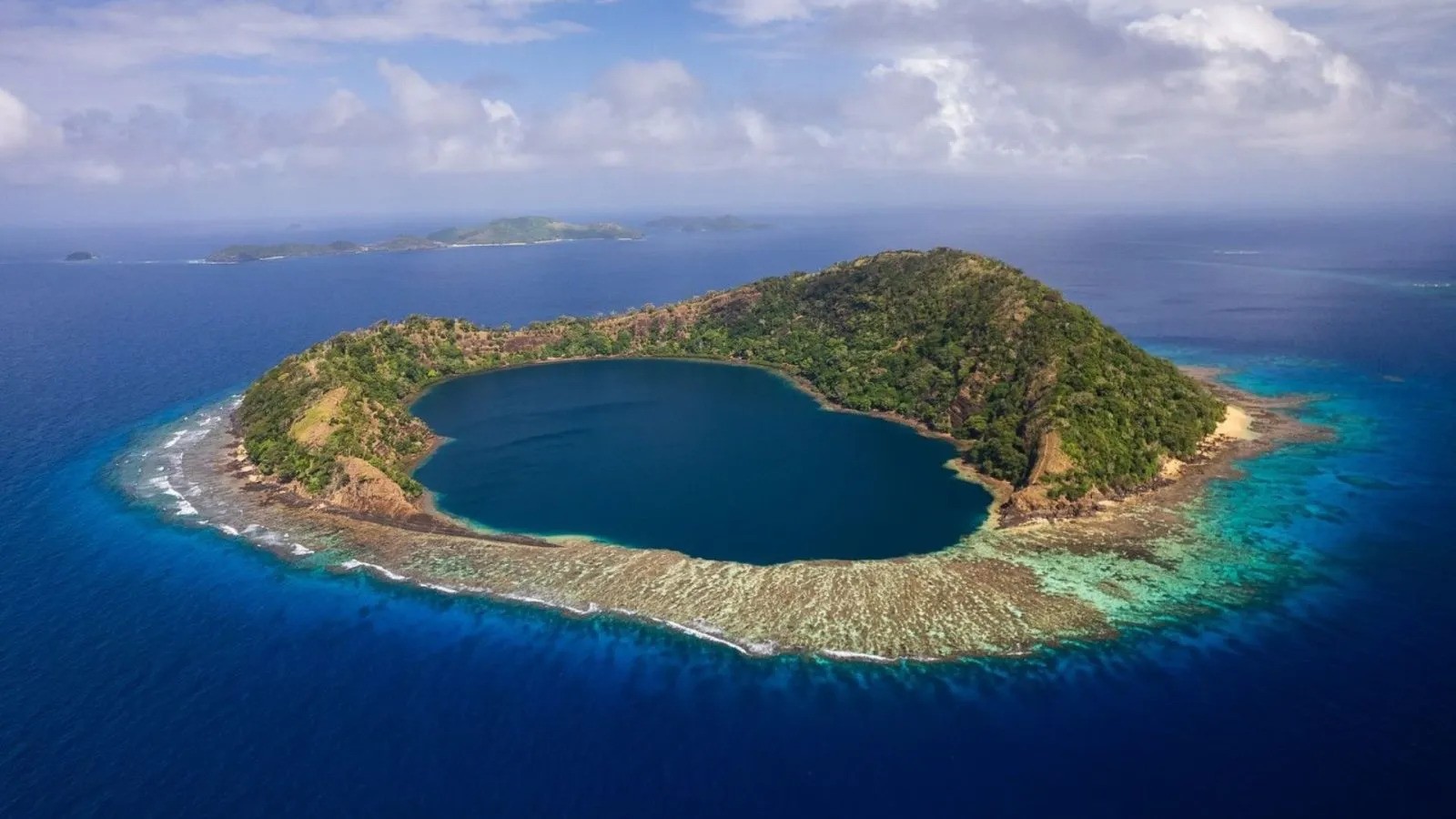
When most travelers think of Fiji, their minds instantly fill with images of turquoise lagoons, swaying palm trees, and white sandy beaches. While these postcard-perfect views are undeniably enchanting, they are only the surface of what this island nation truly offers. Fiji’s heart beats not just through its landscapes but through its people, traditions, and cultural heritage that have been carefully preserved across centuries. Venturing beyond the resorts reveals a vibrant world of communal values, ceremonies, arts, and a deep spiritual connection to land and sea. To understand Fiji is to step into its villages, taste its traditions, and experience the warmth of its hospitality.
The Vanua: The Soul of Fiji
At the center of Fijian culture is the concept of the Vanua, a word that translates literally to “land” but carries a meaning far beyond geography. Vanua encompasses the relationship between the people, their ancestors, and the natural environment. It is both a physical place and a spiritual identity. For Fijians, the land is not just where they live but who they are. It ties communities together through genealogy, history, and sacred connection.
This worldview shapes daily life. Decisions in villages are rarely individualistic; they are made with the community in mind, respecting the balance between people and nature. A coconut tree, a fishing ground, or a stretch of forest is never just a resource—it is part of the Vanua, to be nurtured and sustained for future generations. This sense of belonging and responsibility makes the Fijian lifestyle deeply collective, in contrast to the more individualistic rhythms of the modern world.
Communal Life and the Spirit of Sharing
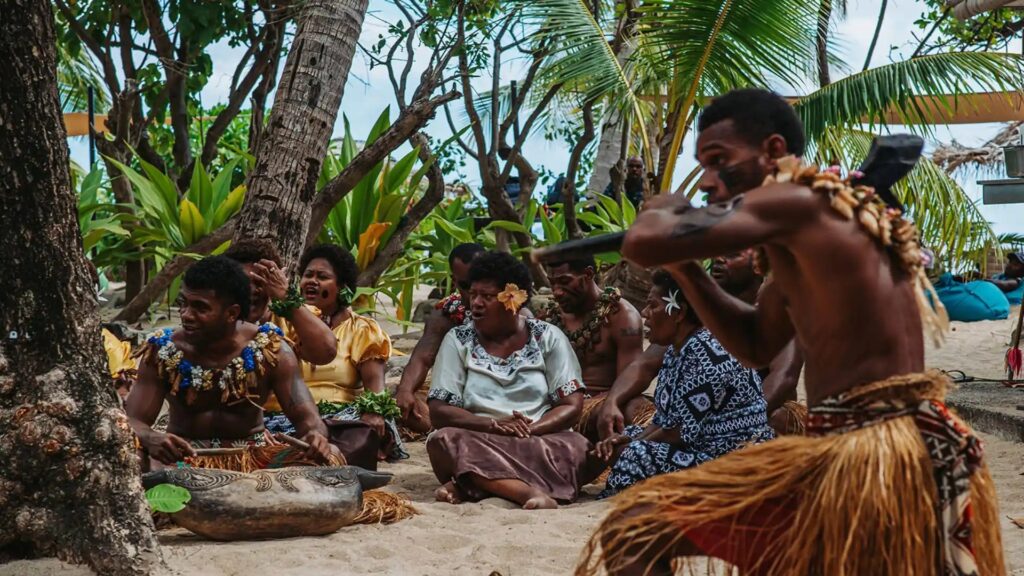
One of the first things visitors notice when they spend time in a Fijian village is the genuine sense of community. Homes are modest, often open and welcoming, with family members drifting in and out of one another’s houses throughout the day. Children are raised not only by parents but by the entire village, and elders hold a respected position as keepers of wisdom and tradition.
Meals are communal events, where everyone shares what they have. A fisherman’s catch, a farmer’s harvest, or a neighbor’s baked cassava is rarely kept private. Instead, food is offered freely, reinforcing the bonds of kinship. This openness extends to outsiders too. The phrase “Bula spirit”, often used to describe the warmth of Fijian hospitality, is not just a marketing slogan but a lived reality. Guests are treated as family, and generosity flows naturally, even from those with modest means.
The Ceremony of Kava
If there is one tradition that embodies the heart of Fijian hospitality, it is the kava ceremony. Kava, known locally as yaqona, is a drink made from the powdered root of the pepper plant. Prepared with reverence, it is mixed with water in a large wooden bowl and shared in a ceremonial gathering that symbolizes unity and respect.
Participating in a kava ceremony is not just about tasting a drink; it is about entering into a cultural space of storytelling, connection, and ritual. The drink itself has a mildly calming effect, often described as grounding. More importantly, it sets the stage for dialogue, bringing together villagers and guests in an atmosphere of equality and openness. To decline kava is not offensive, but to accept it shows willingness to embrace Fijian culture and to honor the tradition of togetherness.

Language as a Vessel of Identity
While English and Hindi are widely spoken, especially in urban areas, iTaukei, the indigenous Fijian language, remains a crucial marker of cultural identity. Within the language are layers of meaning tied to history, land, and spirituality. Different regions of Fiji have their own dialects, some so distinct that they are almost separate languages.
Language is not just communication; it is a vessel of tradition. Proverbs and oral storytelling pass down wisdom from generation to generation. For example, sayings about the sea reflect its role not only as a provider of food but as a spiritual entity. To understand Fijian culture fully, even a few words in iTaukei—like “bula” (hello) or “vinaka” (thank you)—open doors to deeper respect and connection.
Dance, Music, and Storytelling
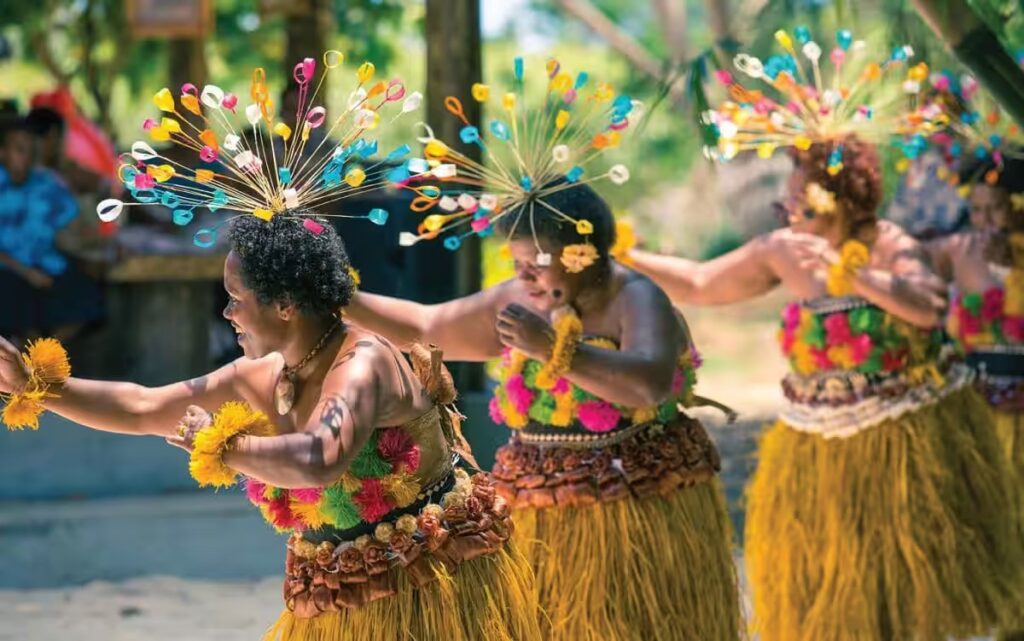
Fijian culture is vibrant with song, dance, and storytelling, which serve as powerful tools for preserving history and identity. The meke, a traditional performance, combines chant, dance, and symbolic movement to narrate legends, celebrate victories, or honor chiefs. Performed in colorful costumes with rhythmic clapping and drumming, the meke is not just entertainment but a living archive of cultural memory.
Music in Fiji is equally diverse. Traditional chants blend seamlessly with contemporary influences, reflecting the islands’ openness to adaptation without losing authenticity. The strum of a guitar around a village fire, harmonized by voices that rise naturally into song, captures the soul of Fijian evenings. Storytelling, often woven into these performances, keeps myths alive, teaching younger generations about the deeds of their ancestors and the values of courage, respect, and unity.
Festivals and Ceremonies
Fiji’s calendar is dotted with festivals that celebrate its multicultural identity. Indigenous Fijian ceremonies honor seasonal cycles, harvests, and ancestral traditions, while Hindu festivals like Diwali bring color and light to communities across the islands. Christian celebrations such as Christmas and Easter are marked with equal fervor, reflecting Fiji’s colonial history and the widespread embrace of Christianity.
What stands out is how these festivals, regardless of origin, are embraced collectively. A Fijian village will celebrate Diwali with as much enthusiasm as it does Easter, and everyone joins in the feasting, dancing, and sense of joy. This blending of traditions illustrates the cultural inclusiveness that defines modern Fiji, where Indigenous, Indian, and European influences coexist in a unique island identity.
Traditional Arts and Crafts
Another way Fiji’s culture lives on is through its artistry and craftsmanship. Women are known for weaving mats, baskets, and fans from pandanus leaves, items that are both practical and symbolic. Fine mats, called “ibe,” are treasured and often exchanged during important life events such as weddings or chiefly installations. Men, on the other hand, are skilled in carving wooden bowls, war clubs, and canoes, each crafted with precision and reverence for tradition.
Perhaps most distinctive is the art of masi, or tapa cloth, made from the bark of the mulberry tree. Decorated with geometric patterns, masi is used in ceremonies, clothing, and as a marker of cultural pride. Every piece tells a story, and the process of making it—beating the bark, drying, dyeing, and painting—is itself a ritual that links today’s Fijians with their ancestors.
Spirituality and the Balance of Old and New
Fiji today is predominantly Christian, but traditional beliefs and practices still ripple beneath the surface. Many rituals are infused with a spiritual connection to nature and ancestors, even if they are now expressed through Christian forms of worship. For example, village chiefs are not only political leaders but spiritual figures, embodying the mana, or sacred power, of their people.
The blending of Christianity with Indigenous spirituality demonstrates Fiji’s ability to adapt while preserving core values. This cultural resilience allows traditions to thrive in a modern context without being diluted, ensuring that the essence of Fijian identity remains intact.
The Role of Chiefs and Leadership
Traditional leadership structures continue to play an important role in Fijian society. Chiefs, or turaga, are respected figures who guide villages through decision-making, conflict resolution, and cultural preservation. While modern governance exists, the authority of chiefs is deeply respected, especially in rural areas where traditions remain strong.
The role of a chief goes beyond administration; it represents continuity with the past. A turaga’s authority is not self-serving but tied to the wellbeing of the Vanua. His role is one of stewardship, ensuring that land, culture, and people remain united in purpose.
Balancing Tradition with Modernity
Like many cultures around the world, Fiji faces the challenge of preserving traditions while embracing modern development. Tourism, globalization, and urbanization bring both opportunities and risks. Young people often leave villages for cities, raising questions about the transmission of cultural knowledge. Yet, many return with a renewed appreciation for their heritage, recognizing the richness of what they left behind.
Efforts to protect cultural heritage are growing, from schools teaching iTaukei traditions to national festivals celebrating Indigenous arts. Modern Fijian identity is not about choosing between tradition and progress but weaving them together. It is this balance—between the ancient and the contemporary—that makes Fijian culture so dynamic and enduring.
Conclusion: The Heart of Fiji
Fiji’s true treasures lie not only in its lagoons and coral reefs but in its living culture, where ancient traditions meet modern rhythms without losing their essence. The Vanua, communal life, kava ceremonies, music, dance, and festivals all weave together to form a cultural fabric that is as rich as it is resilient.
To go beyond the beaches is to discover Fiji’s heart, where the warmth of its people, the depth of its traditions, and the timeless connection to land and sea reveal a world that is both grounded in history and alive with spirit. In every smile, song, and shared bowl of kava, one can feel the pulse of a culture that invites not just observation, but belonging.
