

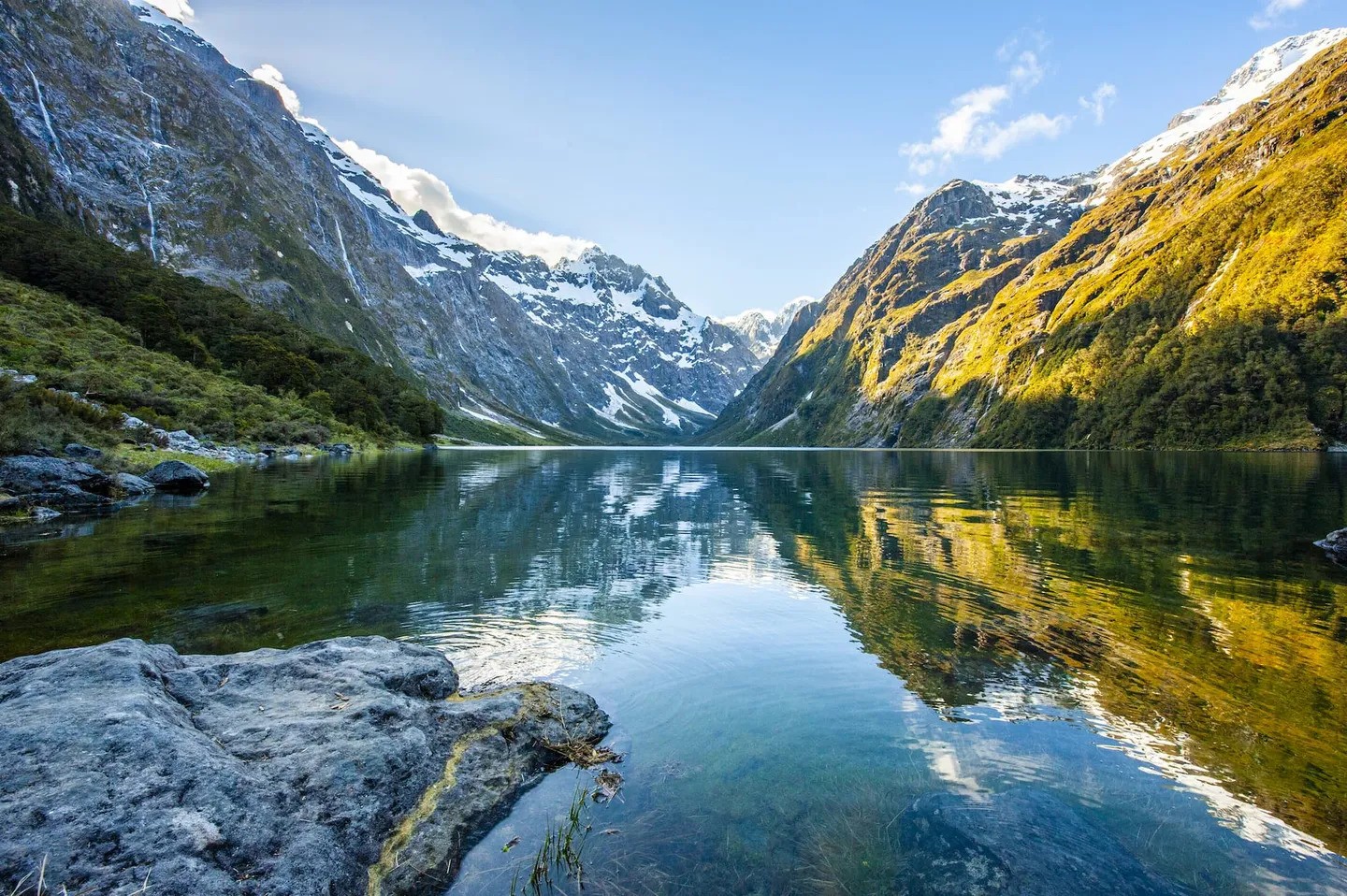
New Zealand is a land of breathtaking landscapes, rich history, and a vibrant cultural tapestry that extends far beyond its scenic beauty. At the heart of this cultural richness are its festivals and celebrations, which serve as windows into the nation’s soul. Unlike the commercialized and globalized events seen in many countries, New Zealand’s cultural festivals are deeply rooted in history, community, and identity, offering both residents and visitors an authentic glimpse of what makes this island nation unique. From Māori rituals that honor centuries-old traditions to modern celebrations that reflect the multicultural nature of contemporary society, the country’s festivals provide a living narrative of its people and their values.

Māori Festivals: Honoring Tradition and Identity
Central to New Zealand’s cultural calendar are the festivals and events that celebrate Māori heritage. The Māori are the indigenous people of Aotearoa, and their traditions form the bedrock of New Zealand’s cultural identity. One of the most significant Māori celebrations is Matariki, the Māori New Year. Traditionally observed in late May or June, Matariki marks the rising of the Pleiades star cluster and is a time for remembrance, renewal, and celebration. Communities come together to honor ancestors, share stories, and participate in rituals that have been passed down through generations. The festival’s cultural depth is profound; it is not merely a public holiday but a spiritual moment that reconnects people to the land, the cosmos, and each other.
Another important cultural event is the Kapa Haka Festival, where Māori performing arts—encompassing song, dance, and ceremonial expressions—take center stage. Kapa haka performances are emotionally charged, reflecting stories of tribal history, social values, and the struggles and triumphs of Māori communities. These festivals are not just entertainment; they are acts of cultural preservation, a vibrant testament to the resilience and creativity of Māori heritage in the modern era.
Pasifika and Multicultural Celebrations
New Zealand’s cultural landscape is not limited to Māori traditions. Waves of migration over the past century have brought Pacific Island communities whose festivals enrich the country’s cultural calendar. Events like the Pasifika Festival in Auckland celebrate the arts, music, and cuisine of Pacific nations such as Samoa, Tonga, Fiji, and the Cook Islands. This festival is particularly significant because it represents both cultural pride and community cohesion. Traditional drumming, dance, and elaborate costumes fill the streets, while food stalls offer an aromatic journey through Pacific flavors. The festival transcends entertainment; it fosters understanding and appreciation of the diverse cultures that make up modern New Zealand.
Similarly, New Zealand’s multiculturalism is reflected in festivals celebrating other immigrant communities, from the Chinese New Year to Diwali, the Hindu festival of lights. While these events are rooted in traditions far from Aotearoa, the way they are celebrated locally has a unique New Zealand flavor. Communities adapt rituals to the local context, creating a fusion of heritage and contemporary identity. The result is a cultural mosaic where traditions are honored yet reimagined, highlighting New Zealand’s commitment to inclusivity and cross-cultural dialogue.
Seasonal Festivals: Connection to Land and Community
Beyond specific ethnic or cultural groups, New Zealanders celebrate festivals that reflect their connection to the natural world and the changing seasons. Agricultural shows and regional fairs, such as the New Zealand Agricultural Field Days or the National Agricultural Fieldays, combine community, industry, and culture in a uniquely Kiwi way. These events are deeply embedded in rural life, reflecting the nation’s historical reliance on farming and land stewardship. While there is an economic component to such festivals, they also serve as cultural rituals where families pass down agricultural knowledge, and communities come together in celebration of local identity.
Similarly, seasonal events like wine and food festivals in regions such as Marlborough and Hawke’s Bay have become cultural touchstones. These festivals are more than gastronomic indulgences; they celebrate craftsmanship, sustainability, and the connection between people and the land. The social interactions, local music performances, and regional storytelling that accompany these events transform them into authentic cultural experiences that reinforce a sense of belonging and pride in local heritage.

Urban Cultural Festivals: Celebrating Creativity and Innovation
New Zealand’s cities, particularly Auckland, Wellington, and Christchurch, host urban festivals that reflect the evolving cultural identity of modern Kiwi society. Events such as the Wellington Arts Festival and the Auckland Lantern Festival showcase a blend of traditional and contemporary arts, providing a platform for cultural expression that resonates across generations. These festivals are immersive experiences where performance, visual art, and storytelling converge, reflecting New Zealanders’ passion for creativity and community engagement.
Urban festivals often serve as bridges between different communities, encouraging cross-cultural interactions and dialogue. For instance, film festivals like the New Zealand International Film Festival present works by indigenous and local filmmakers alongside international productions, allowing audiences to experience New Zealand stories in the context of a global conversation. These festivals cultivate cultural literacy, emotional empathy, and a deeper appreciation for the nation’s diverse heritage.
Music and Dance: The Pulse of Celebration
Music and dance are vital threads in New Zealand’s cultural fabric, appearing in almost every festival and celebration. Traditional Māori music, with its intricate rhythms and chants, is a cornerstone of many cultural events. Kapa haka performances, waiata (songs), and haka (ceremonial dances) are not only spectacles but also powerful vehicles for storytelling and cultural education. They convey history, social norms, and spiritual beliefs in ways that words alone cannot.
Contemporary music festivals, such as Rhythm and Vines or Splore, while seemingly modern, also reflect local culture. They showcase New Zealand’s creative talent and often incorporate indigenous instruments, Pacific rhythms, or locally inspired visual installations. Through these performances, festival-goers experience the emotional resonance of local culture—whether through communal singing, dance, or shared appreciation of artistry.
Festivals as Cultural Preservation and Transformation
What makes New Zealand’s festivals particularly fascinating is their dual role in preserving tradition and embracing innovation. Cultural festivals act as repositories of historical knowledge, rituals, and stories, while simultaneously adapting to contemporary society. Matariki, for instance, has evolved from a community-centered Māori ritual into a nationwide celebration recognized in schools, media, and public events. Similarly, urban arts festivals merge traditional and modern expressions, ensuring that heritage is not static but alive and relevant.
This dynamic nature of festivals contributes to the resilience of New Zealand’s cultural identity. They provide spaces for intergenerational dialogue, where young people can connect with elders and understand the depth of their heritage. They also allow for cultural experimentation, where traditions are reinterpreted in ways that resonate with modern audiences, ensuring that culture remains vibrant rather than fossilized.
The Emotional and Social Impact of Festivals
Beyond their cultural significance, festivals in New Zealand have profound emotional and social impacts. They foster community cohesion, provide spaces for collective joy and reflection, and reinforce a sense of belonging. For Māori communities, festivals like Matariki offer moments of spiritual reconnection and communal solidarity. For urban residents, arts and music festivals provide avenues for self-expression and cultural discovery. For immigrant communities, cultural celebrations offer affirmation, pride, and visibility in the broader society.
Participating in these festivals is an immersive experience that engages all senses. The aroma of traditional foods, the rhythm of drums, the vivid colors of costumes, and the shared laughter of a community create lasting memories that resonate far beyond the festival itself. In essence, these celebrations are not only about cultural expression—they are about the human experience, creating bonds and emotional connections that strengthen society.

Conclusion: Festivals as Living Testaments to Culture
New Zealand’s festivals and celebrations are far more than entertainment or tourism attractions; they are living expressions of identity, history, and community. Whether rooted in Māori tradition, Pacific Island heritage, immigrant culture, rural life, or urban creativity, these events provide a profound lens through which to understand the country’s values, history, and aspirations. They are spaces where stories are told, heritage is honored, and communities come together in shared joy and reflection.
The cultural richness of New Zealand is perhaps best understood through its festivals because they are alive, evolving, and deeply human. They remind us that culture is not static; it is experienced, felt, and celebrated. In New Zealand, every festival is a vibrant tapestry woven from the threads of history, identity, and community—a testament to the enduring power of celebration in shaping a nation’s soul.
