

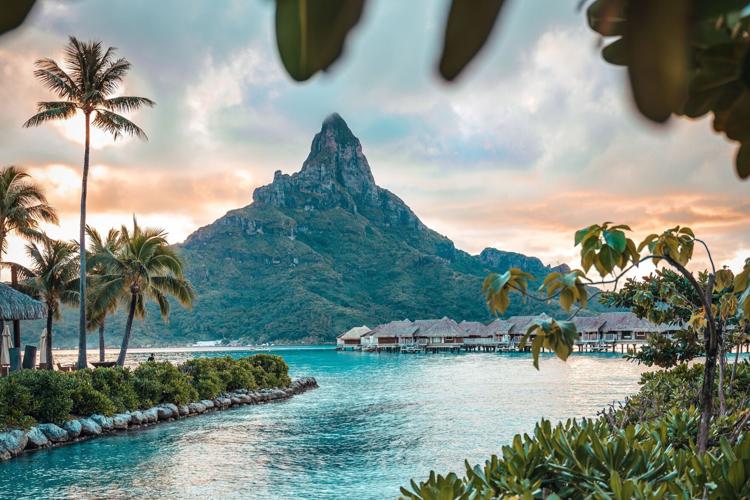
French Polynesia, a jewel of the South Pacific, is much more than its turquoise lagoons, swaying palm trees, and overwater bungalows. Beneath its postcard-perfect landscapes lies a deep, living culture, woven through centuries of tradition and expressed most vividly in its performing arts. Dance, music, and ceremony in French Polynesia are not mere entertainment—they are a reflection of the islands’ soul, a connection to ancestors, and a celebration of life itself. Each movement, rhythm, and chant carries meaning, telling stories that bridge past and present.
The Heartbeat of the Islands: Polynesian Dance
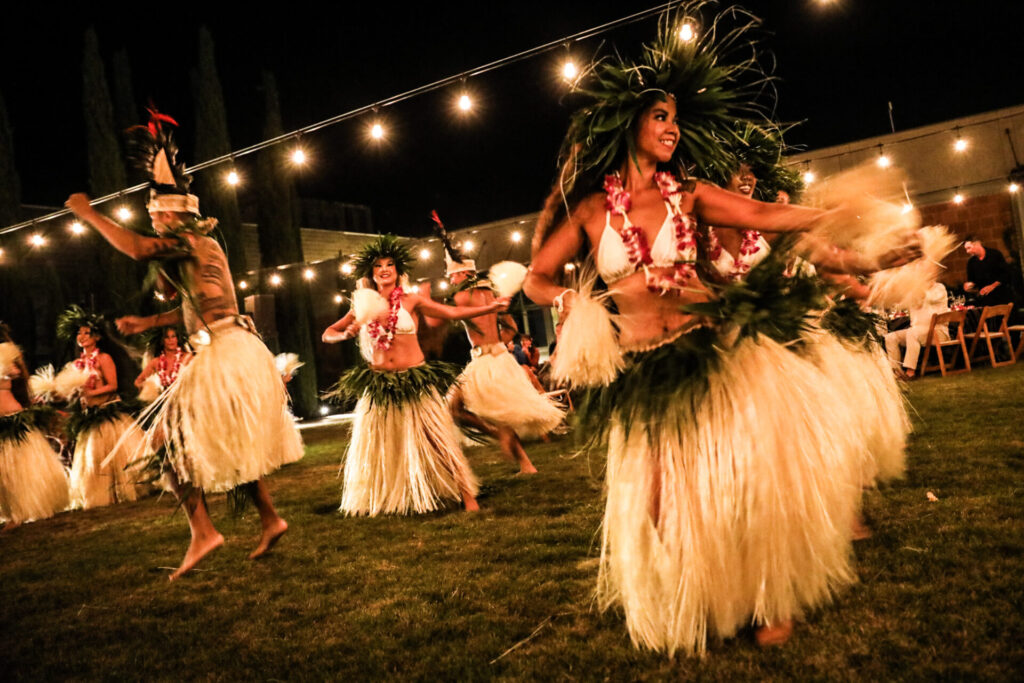
Dance in French Polynesia is a sacred language. It is through dance that histories are preserved, spiritual beliefs are expressed, and communal bonds are strengthened. One of the most iconic forms is the ’ote’a, a dynamic, percussive dance traditionally performed by men, though today women often participate as well. The ’ote’a is instantly recognizable by its rapid hip movements, precise footwork, and striking use of hands to gesture stories of love, war, nature, and the gods. Each movement is purposeful, a visual poem that conveys complex cultural narratives without a single spoken word.
Women’s dances, such as the aparima, are equally expressive but more fluid and intimate, emphasizing hand gestures that depict natural elements, daily life, and ancestral legends. The hands tell tales of fishing, planting, the waves, and the stars, while subtle hip movements complement the story with rhythm and grace. The tamure, perhaps the most internationally recognized Polynesian dance, blends sensuality, speed, and energy, creating a spectacle that enthralls both locals and visitors.
Dance in French Polynesia is never performed in isolation. It is deeply tied to music, community, and ritual. Traditional dances often accompany ceremonies, whether marking seasonal changes, celebrating life milestones, or honoring deities. Every gesture and every step has been refined over generations, embodying both aesthetic beauty and spiritual significance. Learning these dances is a rite of passage, a way for younger generations to connect with their heritage and participate in the ongoing story of the islands.
The Pulse of Tradition: Music in French Polynesia
Polynesian music is inseparable from its dance. The rhythms of the islands are crafted from an array of instruments, most notably the toere (a slit drum), the pahu (a large wooden drum covered with sharkskin), and the ukulele, which has become a symbol of Polynesian musical identity. The beat of these drums is more than background rhythm—it is the heartbeat of the island, synchronizing dancers’ movements and uniting the community in collective expression.
Chants, or himene, are another crucial component of musical tradition. These vocal performances vary from devotional songs sung in churches to secular chants recounting legends of gods, heroes, and voyages across the Pacific. The art of singing in French Polynesia is highly nuanced, emphasizing harmony, resonance, and emotional storytelling. The intertwining of voices mirrors the interdependence of community life, where each person plays a role in sustaining cultural continuity.
Music also functions as a bridge between the past and present. Many traditional compositions have been passed down orally for centuries, preserving historical events, genealogies, and moral lessons. Even as modern influences seep into Polynesian society, traditional music remains a cornerstone of identity. Contemporary musicians often blend indigenous instruments and melodies with modern genres, creating innovative compositions that honor heritage while appealing to global audiences.
Ceremony and Performance: Life as Ritual
In French Polynesia, the line between performance and ceremony is fluid. Many dances and musical expressions are inseparable from sacred or communal rituals. Ceremonies, whether spiritual, social, or agricultural, are stages upon which performing arts unfold, embedding cultural knowledge in every gesture, note, and chant.
The Heiva i Tahiti, the annual cultural festival held in July, is perhaps the most celebrated example. For several weeks, villages across Tahiti and other islands host competitions showcasing traditional dance, music, and costume. The Heiva is not merely entertainment—it is an affirmation of identity, a tribute to ancestors, and a living repository of Polynesian culture. Participants undergo months of preparation, meticulously perfecting choreography, vocal arrangements, and traditional attire, which often features elaborate feathered headdresses, woven skirts, and intricately carved accessories.
Other ceremonies are more intimate but equally profound. Weddings, funerals, and rites of passage all incorporate music and dance, connecting the human and spiritual realms. Traditional performances during these events often serve multiple purposes: they honor ancestors, provide guidance for the living, and reinforce communal cohesion. Even today, Polynesians regard these expressions as essential to social and spiritual well-being, a testament to the enduring power of cultural continuity.
Costumes and Symbolism in Performing Arts
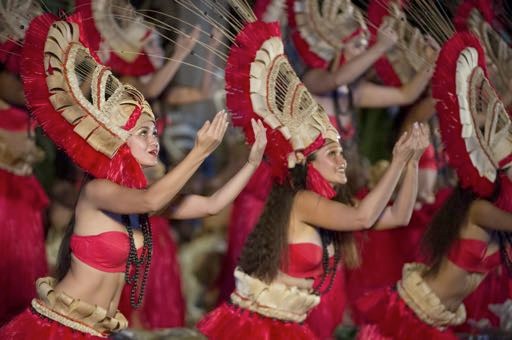
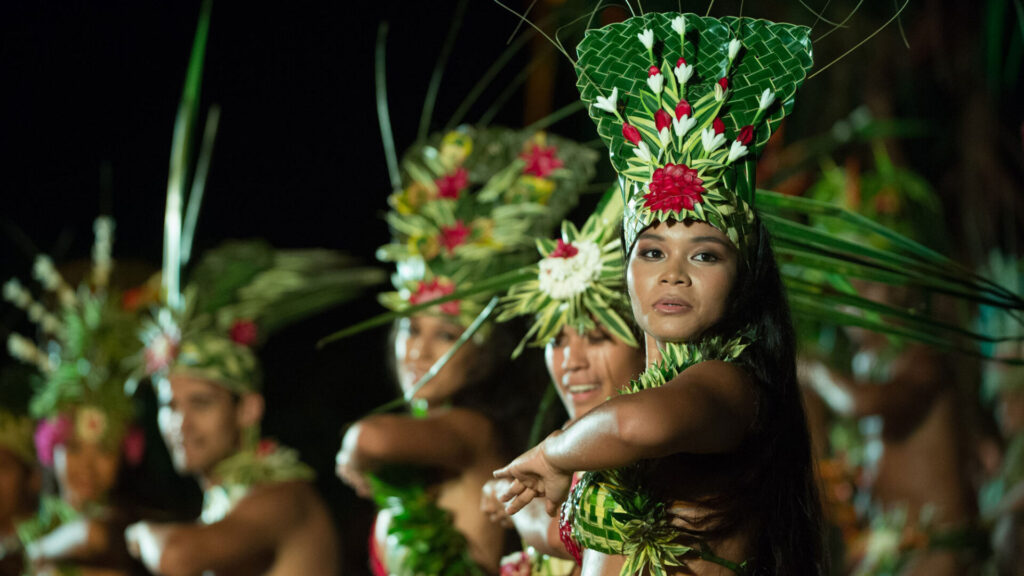
The visual elements of French Polynesian performing arts are as important as the movement and sound. Costumes are crafted with intention, utilizing natural materials like tapa cloth, pandanus leaves, feathers, shells, and flower garlands. Each item carries symbolic meaning, often reflecting a performer’s role in a story, their social status, or their connection to a particular deity or natural element.
Women’s skirts, known as pareu, flow freely, accentuating hip movements and providing a visual representation of ocean waves. Feathered headdresses and elaborate necklaces further enhance the ceremonial aura, signaling both respect for tradition and a celebration of beauty. Men’s attire is similarly symbolic, often emphasizing strength, agility, and spiritual authority. The combination of costume, dance, and music creates a multisensory experience that captivates audiences while preserving ancient knowledge.
The Role of Storytelling
At the core of Polynesian performing arts is storytelling. Every dance, chant, and ceremony carries narrative weight, transmitting history, mythology, and moral lessons. Tales of voyaging ancestors, supernatural beings, and heroic deeds are embedded in choreography and song. For example, dances may recount the journey of explorers who navigated vast oceans, the creation of the islands themselves, or the triumphs and tragedies of legendary figures.
Storytelling through performance serves both educational and emotional purposes. It teaches younger generations about cultural values, instills a sense of pride and belonging, and preserves knowledge that might otherwise be lost. Audiences are not passive observers—they are participants in the narrative, responding with applause, laughter, or reverent silence, depending on the story being told.
Modern Challenges and Cultural Preservation
Despite the vibrancy of French Polynesia’s performing arts, modernity poses challenges to their preservation. Globalization, urbanization, and tourism have altered lifestyles, introducing foreign influences that sometimes overshadow traditional practices. Younger generations, attracted to digital entertainment and contemporary music, may drift away from indigenous forms.
However, there is a powerful movement to safeguard and revitalize these arts. Cultural organizations, schools, and community groups work tirelessly to teach traditional dances, music, and ceremonies to children. Festivals like Heiva play a pivotal role in this cultural renaissance, encouraging pride in heritage while adapting performances to contemporary contexts. Digital media has also become a tool for preservation, allowing performances to be recorded, shared, and studied worldwide, ensuring that the heartbeat of Polynesia resonates far beyond its shores.
The Emotional Power of Performing Arts
What makes French Polynesian performing arts truly captivating is their emotional resonance. The rhythm of the drums evokes a visceral connection to the earth, while the fluidity of dancers’ movements mirrors the ebb and flow of the ocean. Music and chants stir memories, joys, and sorrows, creating an intimate bond between performer and audience. In this way, performing arts are not simply cultural artifacts—they are living expressions of identity, emotion, and spirituality.
To witness a traditional dance or musical ceremony in French Polynesia is to experience the islands’ heartbeat firsthand. It is an immersion into a worldview where nature, ancestors, and community are inextricably linked, and where art serves as a bridge across generations. Every gesture, every note, every ceremony embodies centuries of collective knowledge and the enduring resilience of a people devoted to preserving their heritage.
Conclusion
The performing arts of French Polynesia—its dance, music, and ceremonies—are far more than aesthetic displays. They are vessels of history, carriers of spiritual and social values, and expressions of a culture that continues to thrive despite modern pressures. In every twirl of a skirt, every rhythmic drumbeat, and every sung chant, one can feel the pulse of Polynesian life. These vibrant traditions celebrate not only the beauty of the islands but also the depth of human connection to history, community, and the natural world.
Experiencing French Polynesia’s performing arts is an invitation to witness the living soul of the islands, where the past and present dance together in harmony, and where every movement, every melody, and every ceremony tells a story that will endure for generations.
