

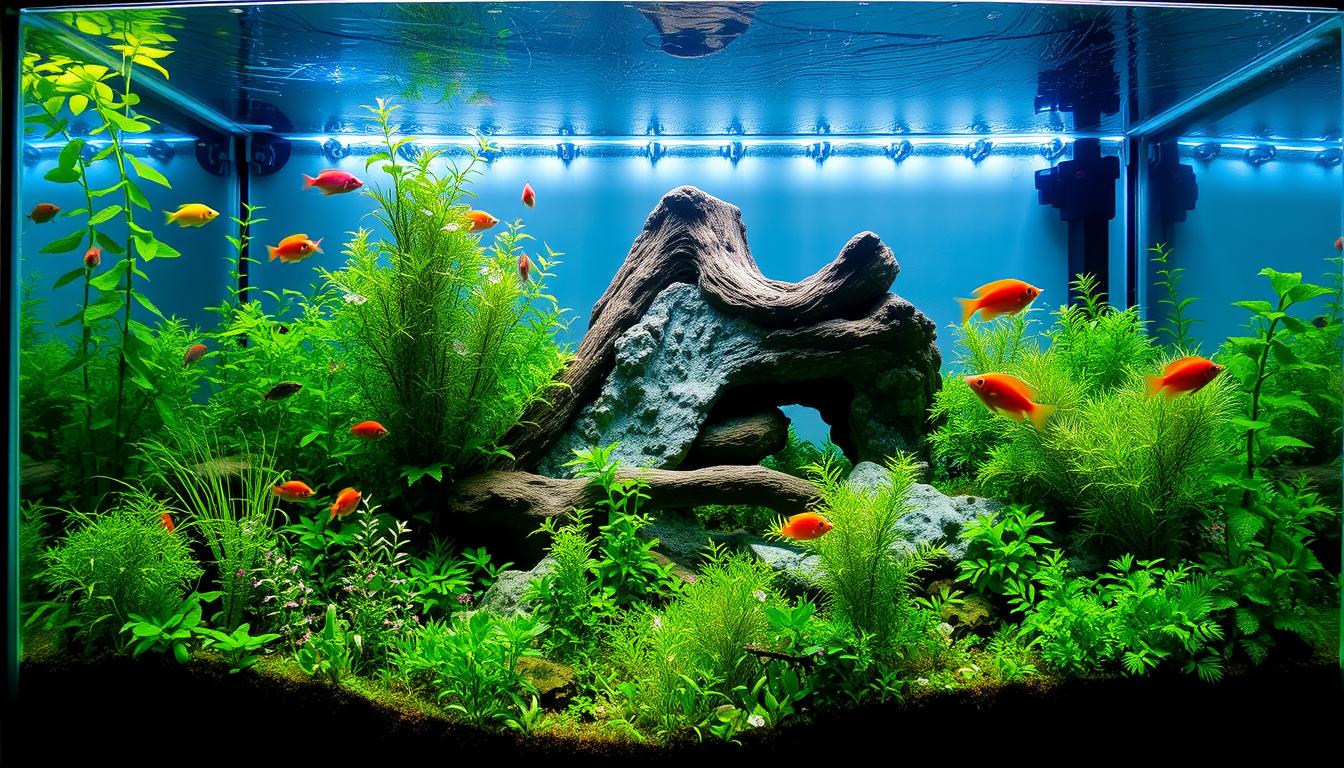
Aquariums come in many shapes and sizes, but few are as captivating as a well-designed freshwater nano environment. These small yet vibrant tanks, often under 20 gallons, allow aquarists to create a self-contained world where fish, shrimp, snails, and plants coexist in harmony. With the right setup and care, a nano aquarium becomes more than just décor—it transforms into a living ecosystem that thrives in balance.
Choosing the Right Tank and Equipment
The foundation of any successful freshwater nano environment lies in the tank and its supporting equipment.
-
Tank Size: While nano tanks are small, aim for at least 5–10 gallons to provide stable water conditions. A longer tank with more surface area ensures better oxygen exchange. Peaceful species like the ember tetra are well-suited for these environments, bringing lively movement and bright coloration to the tank.
-
Filtration System: A gentle filter, such as a sponge filter or low-flow hang-on-back filter, maintains water quality without creating harsh currents.
-
Lighting: Proper aquarium lighting is crucial, especially if live plants are included. LED fixtures designed for planted tanks offer both energy efficiency and spectrum control.

Selecting Compatible Inhabitants
Stocking a nano aquarium requires thoughtful choices to avoid overcrowding and stress.
-
Nano Fish: Popular options include Chili Rasboras, Celestial Pearl Danios, and Ember Tetras, all of which remain small and peaceful.
-
Freshwater Shrimp: Species like Neocaridina or Caridina shrimp add both color and utility, as they help keep algae under control.
-
Snails: Nerite or Mystery snails make excellent clean-up crews, tackling algae and uneaten food.
When selecting inhabitants, always research compatibility and avoid species that outgrow the limited space of a nano tank.
Designing with Aquascaping and Plants
The beauty of a nano tank often comes from its aquascaping—the artistic arrangement of plants, rocks, and driftwood.
-
Plants for Nanos: Hardy options such as Java Moss, Anubias, and Dwarf Hairgrass thrive in smaller environments.
-
Hardscape Elements: Stones and driftwood create structure, hideouts, and visual depth, making the tank look larger than it is.
-
Balance and Maintenance: Regular pruning, nutrient dosing, and CO₂ (if required) ensure that plants grow healthily without overwhelming the aquarium.
Conclusion
Creating the ultimate freshwater nano environment requires careful planning, but the rewards are well worth the effort. By choosing the right equipment, selecting compatible species, and crafting a balanced aquascape, aquarists can build a thriving miniature ecosystem. Whether you’re new to the hobby or an experienced aquarist, nano aquariums offer a unique way to explore the beauty of aquatic life on a smaller scale—proving that great things truly do come in small packages.
