

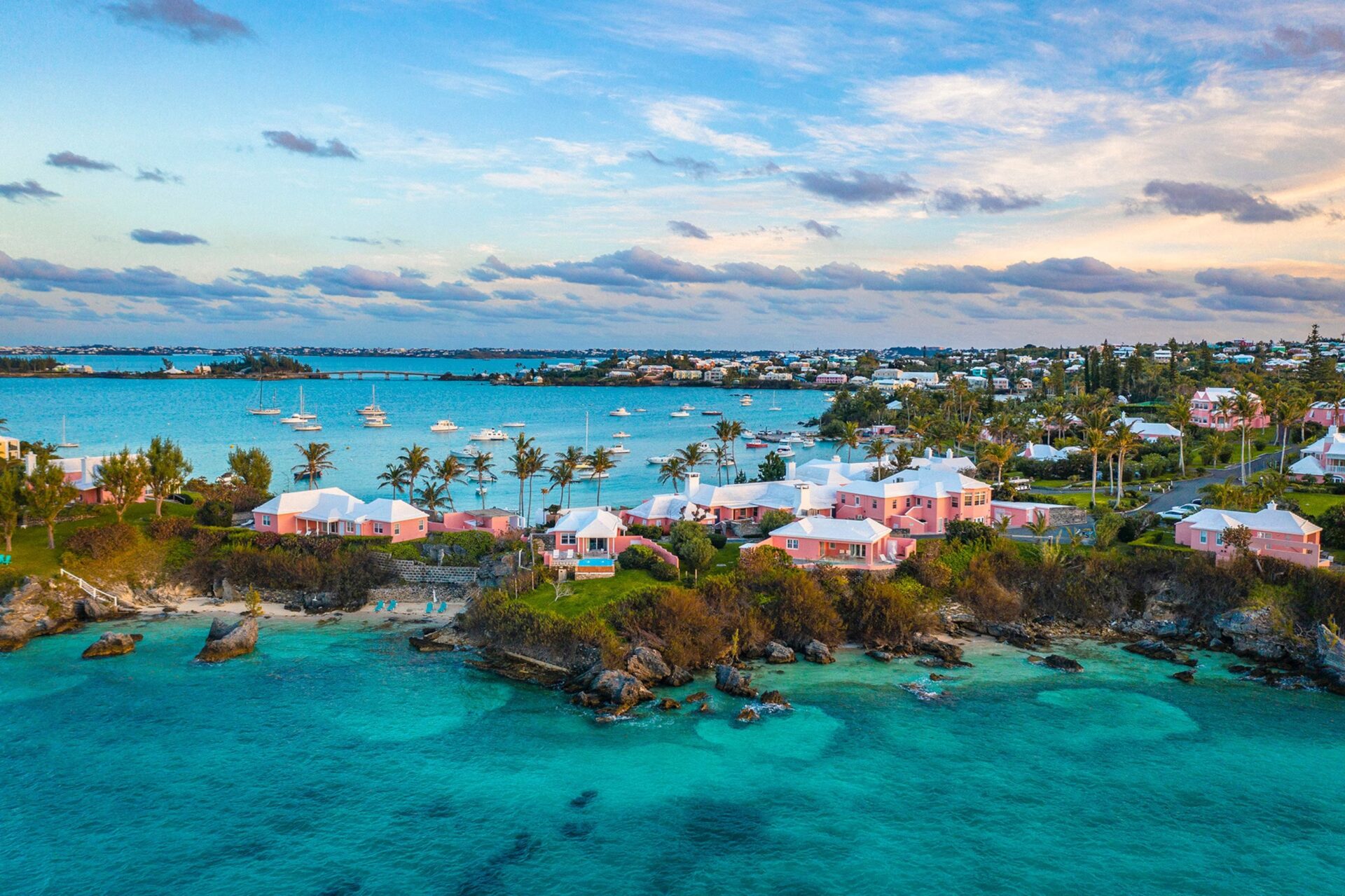
Bermuda’s postcard-perfect beaches may draw the world in with their blush-colored shimmer, but anyone who spends real time on the island quickly realizes that the true beauty of Bermuda lies far beyond the coastline. The island’s heart beats in the rhythm of its people, its traditions, its music, its food, and the unshakable sense of community that anchors life in this small North Atlantic paradise. Visitors often come expecting a sunny escape; they leave touched by a cultural depth they didn’t even know the island held. To understand Bermuda is to experience it through the eyes of the people who call it home, and that means stepping off the sand and into the island’s living story.
The Spirit of Bermudian Hospitality
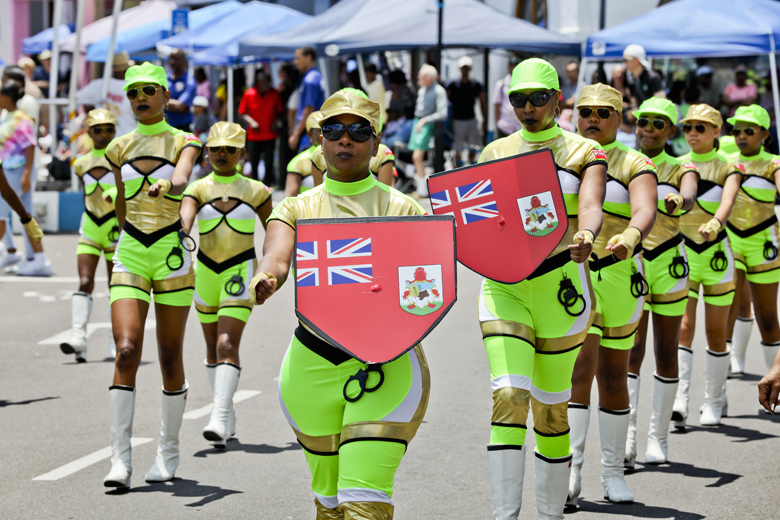
Bermudian hospitality is more than friendliness; it is a deeply rooted cultural ethos built around warmth, respect, and genuine interest in the people around you. On the island, greeting strangers is not just polite—it’s part of the social fabric. A simple “Good morning” or “Good afternoon” is an unwritten rule, a subtle reminder that community begins with acknowledgement.
For many Bermudians, hospitality is tied to island identity. The sense of pride in place is palpable, not in a boastful way, but in a sincere desire to share the island’s heritage and help newcomers feel welcomed. Locals often say that Bermuda is not just a destination, but a host, an idea that becomes clear when you notice how quickly conversations turn into stories and how easily strangers become acquaintances. This open, respectful approach to daily interaction has been shaped over centuries by the island’s isolated geography and its unique blend of cultural influences. On a small island, community isn’t optional; it’s a way of life.
The Cultural Mosaic Behind Bermuda’s Identity
Bermuda’s culture is a tapestry woven from many threads. African heritage, British colonial history, Caribbean influences, Portuguese migration, and the island’s own distinct evolution all converge to create a cultural identity that feels familiar yet singular.
The African roots of Bermuda’s culture run deep, shaping everything from music and dance to food and storytelling. The British presence is equally visible, especially in governmental structure, education, and traditions like afternoon tea. Meanwhile, the Portuguese community—primarily from the Azores—has contributed greatly to local cuisine, agriculture, and family-centered values. What makes Bermuda unique is not simply the presence of these cultures, but the way they have blended over generations into something cohesive, layered, and unmistakably Bermudian.
This fusion is evident in everyday life. Bermudian English carries its own rhythm and expressions; Bermudian cooking blends styles from several continents; Bermudian traditions draw from histories that intersect yet remain distinct. The result is a living culture that honors its past while continuing to adapt and expand.
The Unmistakable Pulse of Gombey Tradition
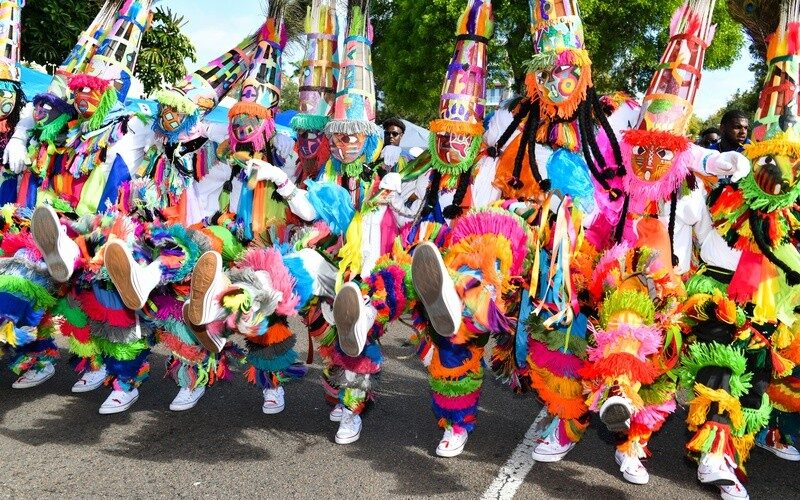
If there is one tradition that encapsulates the soul of Bermudian culture, it is the Gombeys. Their performances are at once ancient and alive, a vibrant fusion of African, Caribbean, and British influences. Gombeys are not simply performers; they are cultural carriers, passing down stories and symbolism through movement.
Their bright, hand-crafted costumes shimmer with color, mirrors, and intricate beadwork. Each piece is meaningful. The masks both reveal and conceal, representing individuality and anonymity at the same time. As the rhythmic beat of drums fills the air, the dancers move in a syncopated, almost hypnotic flow that feels both spontaneous and deeply intentional.
Gombey traditions have historically been tied to resistance and resilience. In earlier centuries, Gombeys were discouraged or pushed underground by colonial authorities who feared the power of collective expression. Today, they are celebrated as icons of Bermudian identity, a testament to the community’s determination to preserve and honor its cultural roots. For many Bermudians, watching the Gombeys is like watching history dance its way into the present.
Storytelling and Oral Traditions That Preserve the Past
Bermudians have long relied on storytelling to preserve memory, share wisdom, and connect generations. Oral traditions remain a cherished part of local culture, from family gatherings to community events. Stories often revolve around maritime adventures, ancestors who shaped the island, historical storms, or humorous tales of everyday island life.
These narratives are more than entertainment—they act as cultural anchors. In a place where families often trace their lineage back centuries, storytelling is a way of keeping the past alive while passing forward values, lessons, and identity. Many of these stories capture the essence of Bermudian resilience, humor, and ingenuity, illustrating how islanders have navigated isolation, hurricanes, and the challenges of life on a small stretch of land in the Atlantic.
The Slow, Soulful Rhythm of Island Cuisine
Food in Bermuda is not just nourishment; it is comfort, tradition, and identity served on a plate. Bermudian cuisine reflects the island’s blend of cultures, shaped by the sea and passed down through generations. Traditional dishes carry stories of the families and communities who perfected them.
The famous Bermuda fish chowder is a flavorful staple known across the island, enriched with sherry peppers and often served with a dash of black rum. Codfish breakfasts—salted cod, potatoes, banana, avocado, and hard-boiled egg—remain one of the most beloved Sunday traditions, linking modern life with centuries-old culinary practices. Loquat jam, cassava pie, and Portuguese-influenced sweet breads are all time-honored favorites.
Local food culture thrives not only in home cooking but also in community gatherings, church events, and family celebrations. Food brings people together, and in Bermuda, sharing a meal is often synonymous with sharing a moment of connection.
Community as the Core of Bermudian Life
Community is the heartbeat of Bermuda. With a population small enough for many people to recognize one another, social networks here are deeply intertwined. Neighbors help each other without hesitation. Families stay close across generations. Teachers often know their students’ parents and grandparents. This closeness shapes everything from social gatherings to the way businesses operate.
Bermudian community values are grounded in mutual support. Whether it is helping rebuild after a hurricane, rallying around a family in need, or working together to preserve the island’s natural beauty, Bermudians place community above individualism. This collective mindset is one of the reasons the island feels so safe and welcoming.
The influence of churches, sports clubs, and neighborhood associations also remains strong. These groups are not just social hubs; they often act as cultural guardians, keeping traditions alive and fostering the sense of togetherness that defines island life.
Music, Dance, and the Everyday Celebration of Culture
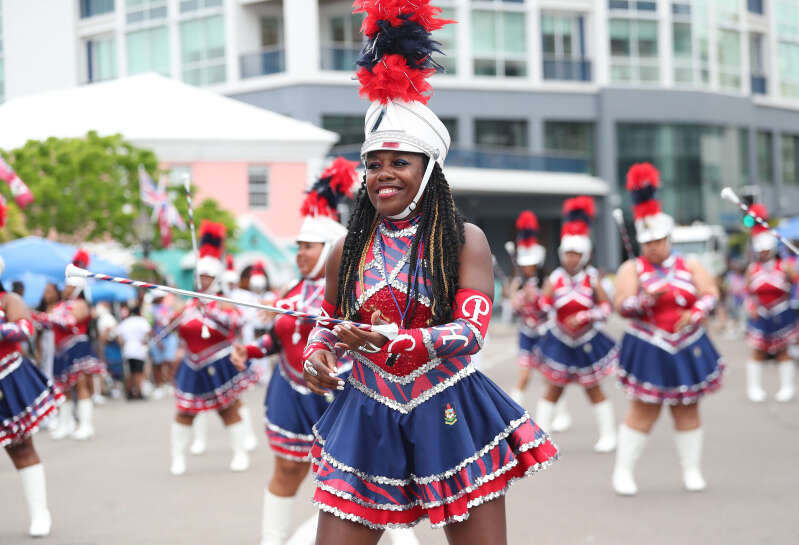
Bermudian culture expresses itself vividly through music and dance. Beyond the Gombeys, local bands blend reggae, calypso, jazz, and contemporary island sounds to create a musical identity that feels both global and distinctly Bermudian. Steel pans ring out at festivals; live musicians animate pubs and waterfront venues; schoolchildren learn traditional rhythms from an early age.
Dance is equally important. Whether at festivals, family gatherings, or community events, dance brings people together in moments of joy, celebration, and cultural pride. Even casual social dances carry echoes of Bermuda’s diverse heritage.
Music and dance are not reserved for special occasions. They flow naturally through the island’s social life, reminding everyone—locals and visitors alike—that culture is something to be lived, not observed.
Festivals That Showcase the Island’s Heritage
Bermuda’s festivals are not only celebrations but cultural showcases that reveal the island’s personality and history. Some events honor British traditions, others spotlight African roots, and still others highlight modern island creativity. The combination paints a vivid picture of a culture that is both proud of its heritage and eager to share it.
One of the most visually striking moments of the year is Boxing Day, when Gombey troupes take to the streets, electrifying the island with color, music, and tradition. Bermuda Day is another beloved celebration, featuring parades, dance troupes, and community festivities that mark the unofficial start of summer. Throughout the year, cultural exhibitions, food festivals, and community fairs keep local traditions thriving and invite the world to participate.
The Heart of Bermuda Lies in Its People
To go beyond the pink sand is to discover that Bermuda’s greatest treasure is not its natural beauty—remarkable as it is—but the depth of its living culture. It is found in the warmth of a greeting, the rhythm of a drum, the taste of a traditional dish, the pride of a parade, and the stories shared across generations. It is found in the way Bermudians look after one another and welcome outsiders into their world with sincerity and grace.
Visitors come to Bermuda expecting paradise. What they find, if they look closely, is something far richer: a vibrant cultural tapestry woven from history, community, resilience, and joy. The island’s beauty may begin at the shoreline, but its heart is found in the lives and traditions of the people who call it home.
