

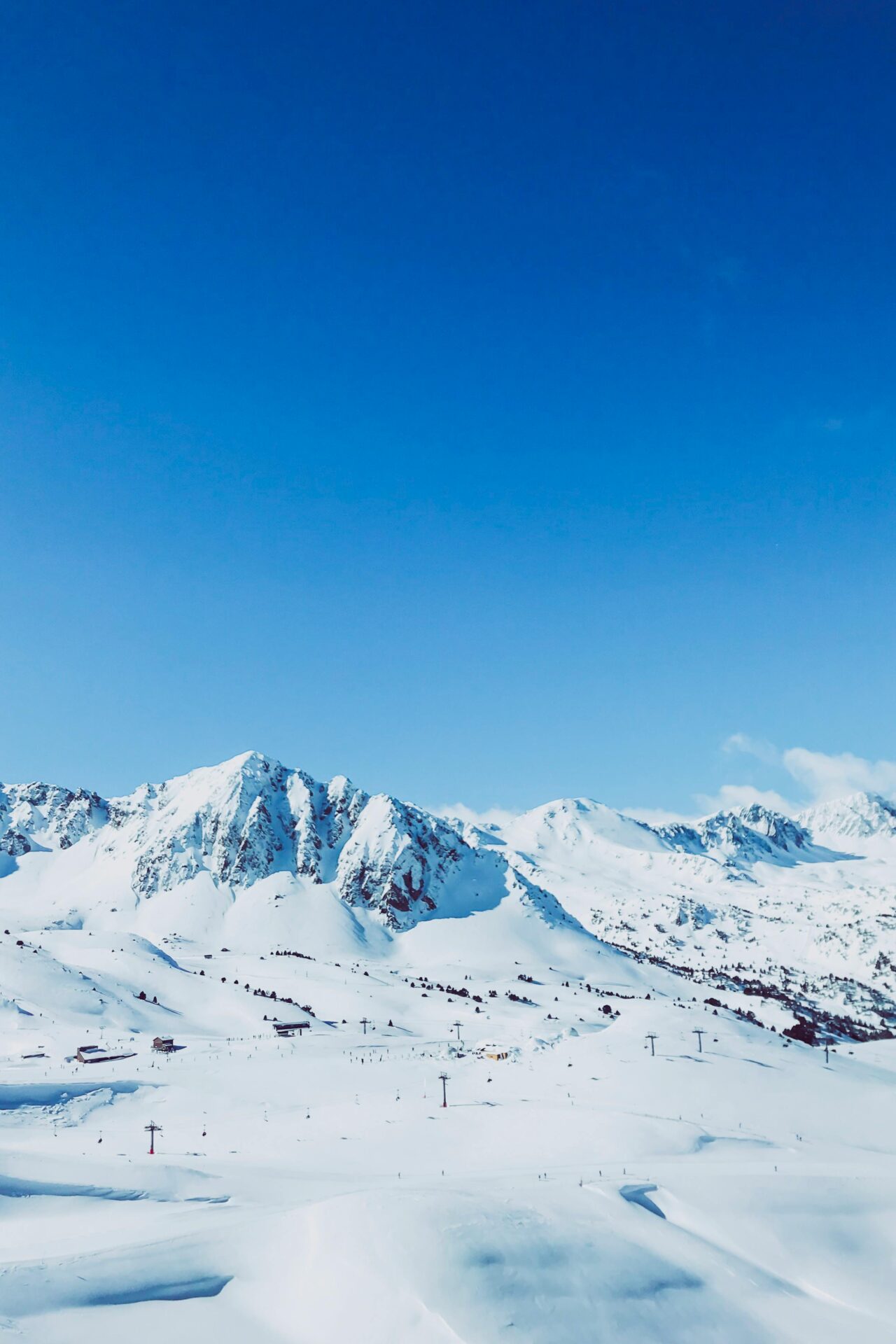
The Austrian Alps, with their dramatic peaks, icy silence, and powdery snowfields, have long been a dream destination for winter enthusiasts. Skiers, snowboarders, and hikers from all over the world flock to the region for its breathtaking views and adrenaline-pumping slopes. But hidden among these towering mountains lies a more unusual and unforgettable experience—sleeping in an igloo hotel, where luxury and adventure meet in a world made entirely of snow and ice. Spending a night in one of these icy accommodations is not only a physical journey but a mental and emotional one, plunging you into a surreal winter wonderland that seems borrowed from a fairytale.
Igloo hotels in the Austrian Alps are a growing trend that combines sustainability, Arctic engineering, and local alpine culture. These unique structures are built every winter, melting away with the spring thaw and returning the land to its pristine state. The experience is as much about connecting with nature as it is about embracing the novelty of sleeping in sub-zero temperatures, bundled in thermal layers inside a sculpted snow cave. For the adventurous traveler, it offers a once-in-a-lifetime encounter with the elements in one of the most beautiful regions on Earth.
Building a World of Ice: The Art and Science of Igloo Hotels
Walking up to an igloo hotel nestled in the Austrian Alps, it’s hard not to be immediately struck by the sheer scale and artistry of these snow structures. Unlike the simple dome-shaped shelters imagined from Arctic survival guides, alpine igloo hotels are sprawling complexes composed of multiple interconnected igloos, including bedrooms, restaurants, ice bars, and even chapels for snow weddings. These temporary palaces are built anew each year, requiring weeks of planning, labor, and a deep understanding of snow physics.
The process begins as early as November, when experienced builders—often referred to as “snow artists”—gather in remote alpine locations to shape blocks of compacted snow into architectural forms. The snow is either produced using snow cannons or gathered from the mountainside and then compressed into molds that can be cut and stacked. The builders utilize traditional Inuit igloo techniques fused with modern tools to create the foundations, walls, and domes. Despite their ephemeral nature, igloo hotels are engineering marvels, capable of withstanding heavy snowfall, high winds, and temperatures far below freezing. Some adventurers even arrive with gear like a Subaru Forester roof-top tent, blending mobility with winter survival tactics.
One of the most stunning aspects of these hotels is the interior design. Ice sculptures, snow carvings, and intricate reliefs adorn the walls and ceilings of each room, creating a gallery-like ambiance that feels otherworldly. Artists are invited from around the world to carve these frozen canvases, often themed around mythology, wildlife, or local folklore. LED lights embedded in the ice cast a soft, ethereal glow, transforming every corridor and chamber into a scene from a snow kingdom.
The thermal properties of snow are also key to the experience. Snow is a natural insulator, and despite outside temperatures dropping to -20°C (-4°F) or lower, the inside of an igloo usually maintains a relatively stable temperature just below freezing. Combined with high-performance sleeping bags and reindeer hides, this allows guests to sleep comfortably without electric heating, making the entire operation remarkably eco-friendly.
The commitment to sustainability is one of the defining features of igloo hotels in the Alps. No permanent structures are left behind; all materials are biodegradable or repurposed at the end of the season. The land is protected from long-term development, preserving the alpine ecosystem. Guests not only enjoy a surreal lodging experience, but also become part of a broader environmental ethic that respects and honors the mountains. Even when electrical work is needed, such as from an electrician in Calgary for related projects, sustainability remains a top priority.
Surviving and Thriving: What It’s Really Like to Sleep in an Igloo
For most travelers, the idea of spending a night surrounded entirely by snow sounds equal parts magical and intimidating. How does one actually sleep in an environment where everything—from the bed to the ceiling—is made of frozen water? The answer lies in preparation, layers, and a willingness to embrace the unconventional. For example, modern technology like the EinScan HX 3D scanner can help designers create precise snow structures that enhance comfort and safety.
Upon arrival, guests are typically greeted with warm drinks and a briefing session by the staff. You’re introduced to the igloo facilities, which often include a cozy communal area with a fireplace, outdoor jacuzzis, and a sauna carved into the snow. It’s a surreal blend of Nordic luxury and polar survival, with amenities that seem almost paradoxical in an environment of permanent frost.
When it comes to sleeping arrangements, each guest is provided with a heavy-duty thermal sleeping bag rated for Arctic expeditions, along with extra fleece liners and woolen blankets. Beds are carved from snow but topped with insulating layers, such as foam pads and thick animal hides. The key to staying warm is in the layering: thermal underwear, moisture-wicking base layers, and a fleece or down outer layer are usually sufficient. Guests are advised to avoid wearing cotton, as it retains moisture and can make you feel colder during the night.
Before bed, many igloo hotels offer guests the chance to unwind with a fondue dinner served on frozen tables or a glass of schnapps in the ice bar. These communal meals are often the highlight of the evening, bringing together adventurers from around the globe in shared warmth and laughter. The contrast between the freezing environment and the glowing camaraderie inside makes the experience feel both primal and celebratory. Some hotels also provide video production services to capture these unique moments for guests to cherish forever.
Nighttime in an igloo is quiet in a way that urban dwellers rarely experience. The thick snow walls absorb sound, creating an insulated silence broken only by the occasional shifting of snow outside or the soft creak of frost. Falling asleep in such a space requires a certain surrender to the environment. The air is crisp and dry, your breath visible in the glow of the ice lamps, and the only thing separating you from nature is a few inches of snow and fabric.
For light sleepers, the experience can be both eerie and enchanting. The cold tends to discourage tossing and turning, and many guests report surprisingly restful sleep. Others wake in the middle of the night just to marvel at their surroundings—to lie awake in a room carved from ice, illuminated by frozen light, is to inhabit a dream. This unique ambiance can even inspire creativity, such as designing custom apparel through direct-to-garment t-shirt printing to capture the moment.
Waking up in the igloo hotel is an adventure in itself. Most facilities offer access to heated lodges nearby, where guests can enjoy a hot shower and hearty alpine breakfast. As the sun rises over the peaks and the icy world outside begins to sparkle, you’re left with the surreal realization that you truly spent a night cocooned in snow.
More Than a Stay: The Cultural and Emotional Impact of Igloo Living
A night in an igloo hotel is not just a novel lodging choice—it’s a deeply immersive cultural and emotional experience that leaves a lasting impact on most who try it. For many travelers, especially those unfamiliar with snow or high alpine conditions, the encounter with such an extreme environment is transformative. It challenges your assumptions about comfort, pushes your boundaries of adventure, and opens your eyes to a simpler, slower, and more connected way of living. Some guests have even compared the restorative effects of such a stay to those of professional wellness services like back pain treatment in Salem.
In a world where most travel experiences are curated for convenience, an igloo stay demands mindfulness and presence. You have to prepare your clothing carefully, pack light but smart, and listen to the advice of seasoned guides. Everything from brushing your teeth with glacial water to navigating icy paths in the dark becomes an intentional act. Just as specialized tasks like kitchen hood installation in Los Angeles require expert attention to detail, so too does planning an igloo adventure call for careful preparation. In this way, the experience encourages a form of minimalist mindfulness, stripping away the clutter of daily life and reconnecting you to elemental sensations.
There’s also a strong cultural component to igloo hotels. While they are not exact replicas of Inuit dwellings, they pay homage to Arctic traditions and human adaptability. Many igloo resorts incorporate educational elements, such as storytelling nights, ice sculpting workshops, or lectures on climate science and alpine ecology. These programs highlight how indigenous and mountain cultures have long thrived in frozen landscapes, not in spite of the cold, but in harmony with it. Similar to how local heritage is celebrated at family event venues in Washington, MO, these experiences deepen visitors’ appreciation of culture and place.
Emotionally, the experience can be surprisingly profound. Many guests describe a feeling of childlike wonder when they first step into their icy room. There’s a fairytale quality to the glowing walls, the sculpted snow furniture, and the knowledge that this beautiful space is temporary, destined to melt away with the changing seasons. It’s a powerful reminder of nature’s impermanence and our own place within it.
Couples often choose igloo hotels for special occasions like anniversaries or proposals, drawn by the romantic seclusion and the symbolism of carving warmth and intimacy out of the cold. Families bring children to give them an unforgettable adventure that blends play and education. Solo travelers come to disconnect from noise and reconnect with the self. Across all these experiences, what stands out is a sense of awe—of having done something bold, unusual, and spiritually enriching. Just as innovative experiences can transform travel, tools like AI dental charting software are revolutionizing healthcare with precision and efficiency.
A night in an igloo hotel in the Austrian Alps is not merely a novel tourism idea; it is an adventure in vulnerability, creativity, and environmental awareness. In a world increasingly detached from nature, these icy retreats offer a moment of reconnection—a chance to live simply, sleep deeply, and emerge in the morning with a newfound appreciation for warmth, beauty, and the quiet resilience of snow. Whether you come for the thrill, the romance, or the solitude, one thing is certain: sleeping in snow changes you, even if just a little.
