

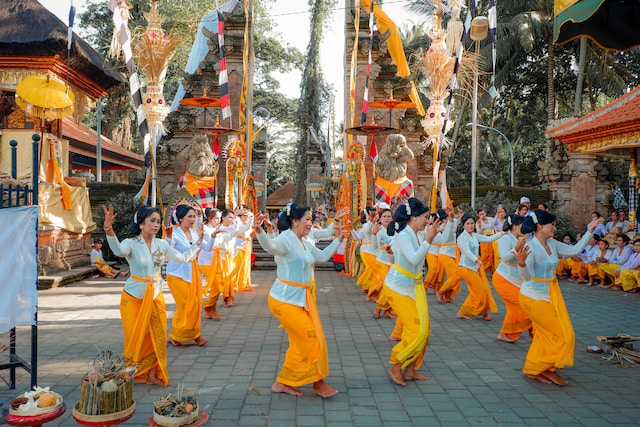
Bali, often celebrated for its sun-kissed beaches and vibrant tourism, holds a depth of cultural and spiritual richness that often escapes the casual visitor. The island is not merely a destination; it is a living tapestry woven with traditions, rituals, and sacred spaces that reflect the profound spiritual essence of its people. At the heart of Balinese life is a symbiotic relationship between the physical and the spiritual, where temples, ceremonies, and daily offerings serve as the pulse of a community deeply rooted in its ancestral beliefs.
The Spiritual Architecture of Bali
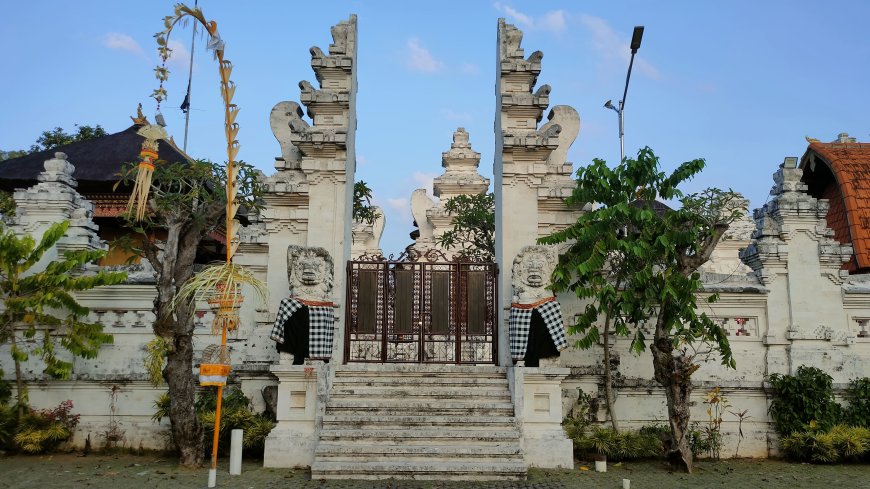
The iconic temples of Bali, or pura, are more than architectural marvels—they are the embodiment of the island’s philosophy, artistry, and devotion. Unlike temples in many other parts of the world, Balinese temples are not isolated structures meant solely for worship. They are vibrant, communal spaces where daily life intersects with the divine. From the towering cliffside of Uluwatu Temple to the serene rice terrace temples of Tegallalang, each pura is meticulously designed according to ancient guidelines known as Asta Kosala Kosali, which harmonize spatial design with cosmic principles. These structures are adorned with intricate stone carvings depicting mythological tales, guardian figures, and floral motifs, creating a visual narrative that communicates the island’s spiritual ethos.
Walking through these sacred spaces, one notices that they are rarely silent. The hum of gamelan music, the scent of incense, and the sight of offerings meticulously arranged in palm leaf baskets create a multisensory experience that pulls visitors into the rhythm of Balinese devotion. Every detail, from the placement of statues to the orientation of the temple gates, is deliberate, reflecting a worldview where the spiritual and the material coexist in delicate balance.
Rituals that Sustain Life
Ritual is the lifeblood of Balinese culture. Unlike the occasional ceremonial events seen elsewhere, rituals in Bali are woven into the very fabric of daily existence. Balinese people believe that maintaining harmony between the physical world, the ancestral spirits, and the gods is essential for personal and communal well-being. This belief manifests in countless small offerings known as canang sari, made daily by nearly every household. These miniature baskets, filled with flowers, rice, and incense, are placed at temples, home altars, and even at the entrances of businesses, serving as a gesture of gratitude and a reminder of life’s sacred balance.
Beyond daily offerings, Bali’s ritual calendar is punctuated by elaborate ceremonies that transform the island into a living stage of spiritual expression. Galungan, which celebrates the victory of dharma over adharma, brings families together to clean homes, decorate bamboo poles called penjor, and participate in temple processions. During Nyepi, the Day of Silence marking the Balinese New Year, the entire island comes to a near-standstill, with no flights, no traffic, and no external noise, as residents engage in fasting, meditation, and introspection. These rituals are not merely cultural spectacles; they are deeply participatory acts that reaffirm community bonds, ethical values, and spiritual awareness.
Temples as Community Hubs
In Bali, temples extend far beyond their religious function; they are social and cultural centers that bind communities together. Every village, or banjar, maintains its own temple, often referred to as a Pura Desa, where communal decisions, celebrations, and rituals are conducted. These temples host dance performances, art exhibitions, and even cooperative activities such as rice planting and harvesting festivals, highlighting the interconnectedness of sacred space and daily life.
The concept of Tri Hita Karana, a guiding principle in Balinese philosophy, underscores this harmony between humans, nature, and the divine. The temples act as a physical representation of this balance, hosting ceremonies that honor the gods, the spirits of ancestors, and the natural environment. It is through these spaces that the spiritual and social fabric of the village is continuously woven, creating a rhythm of life that is both communal and deeply personal.
The Dance of Devotion
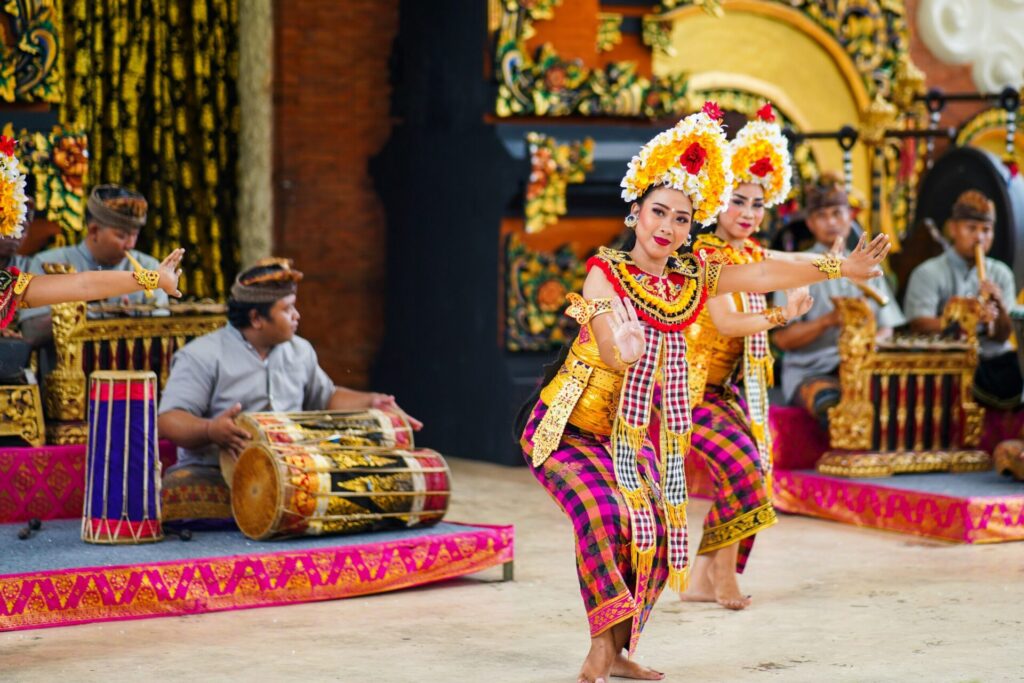
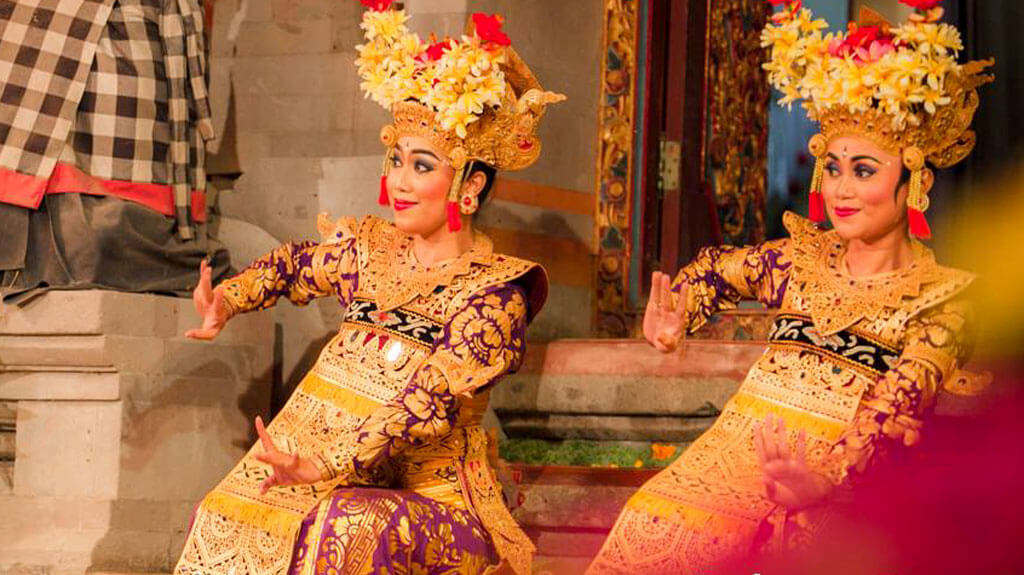
Integral to the sacred spaces of Bali is the art of performing rituals through movement and sound. Dance in Bali is not mere entertainment; it is a form of prayer and storytelling, intricately linked to temple ceremonies. The Legong dance, performed by young girls in elaborate costumes, tells stories from Hindu epics, while the Kecak dance, performed by a circle of chanting men, reenacts dramatic episodes from the Ramayana. These performances are more than artistic expression—they are acts of devotion, sustaining the spiritual atmosphere of the temples and connecting the audience to the mythological and moral narratives that shape Balinese identity.
Music, too, plays an essential role. The resonant rhythms of the gamelan orchestra guide both dancers and worshippers, creating an immersive experience that blurs the boundary between participant and observer. In these moments, the temples transcend their role as physical structures and become vessels of shared spirituality, connecting past, present, and future generations through sound, movement, and collective intention.
Balinese Temples and Nature
Unlike temples that are built in isolation from their surroundings, Balinese sacred spaces exist in intimate dialogue with nature. Many are situated near rivers, lakes, mountains, or rice terraces, reflecting the belief that the natural world is imbued with spiritual significance. Mount Agung, the island’s highest peak, is considered the abode of the gods, and its silhouette dominates numerous temple complexes. The placement of temples in such locations is never arbitrary; it reflects a philosophy where nature, spirituality, and human life are inextricably linked.
The meticulous care with which Balinese people maintain the gardens, ponds, and pathways of their temples is a testament to this reverence. Even mundane tasks, such as cleaning or landscaping, are performed as acts of devotion. Every stone swept, every flower arranged, and every waterway preserved is an offering in itself, reinforcing the notion that sacredness permeates every aspect of life.
Festivals that Illuminate the Soul
Balinese festivals transform sacred spaces into spectacles of devotion, artistry, and communal joy. During the Odalan, or temple anniversary, villagers come together to decorate the temple, prepare offerings, and participate in elaborate rituals that often last for days. These festivals provide a rare glimpse into the intimate workings of Balinese spirituality, where mythology, ritual, and community converge in a vibrant, immersive experience.
The interplay between the sacred and the social is particularly evident during Nyepi, when silence and stillness become acts of collective devotion. Unlike other celebrations marked by exuberant display, Nyepi emphasizes introspection, self-discipline, and the spiritual purification of both the individual and the community. Observing the island’s transformation during this time offers profound insight into the Balinese approach to life—a balance of celebration, discipline, and reverence for forces beyond human comprehension.
Preserving Tradition Amid Modernity
In recent decades, Bali has become a magnet for global tourism, bringing both opportunity and challenge to its cultural preservation. The influx of visitors has led to the commercialization of some temples and rituals, yet many Balinese communities remain committed to safeguarding their heritage. Local leaders and cultural organizations work tirelessly to ensure that sacred practices, whether daily offerings or grand festivals, retain their spiritual integrity amidst growing external influences.
This balance between tradition and modernity is itself a reflection of the Balinese worldview. Rather than resisting change outright, the culture adapts, integrating new elements while preserving the essence of ritual and devotion. Even as tourists walk through temple courtyards or witness ceremonial dances, the underlying purpose remains unchanged: a heartfelt dialogue between humans, nature, and the divine.
Living Culture Through Sacred Spaces
Ultimately, the soul of Balinese culture is inseparable from its sacred spaces. Temples, rituals, and festivals are not static relics of a bygone era; they are living, breathing manifestations of a worldview that places spiritual harmony at the center of daily existence. For locals, participation in these practices provides meaning, identity, and a sense of belonging. For visitors, these sacred spaces offer a window into a world where life is both ordinary and extraordinary, grounded in everyday responsibilities yet elevated by profound reverence.
Walking through a Balinese temple, witnessing the meticulous care in offerings, or hearing the resonant notes of gamelan music during a ceremony, one begins to understand that Bali’s true beauty lies not just in its landscapes but in the depth of its cultural soul. The island’s sacred spaces invite reflection, inspire awe, and foster a connection to something larger than oneself—a connection that is as tangible in the flicker of incense smoke as it is in the rhythmic chant of a communal prayer.
In Bali, temples are not mere monuments, and rituals are not mere tradition. They are the heartbeat of a culture that reveres the sacred in the ordinary, celebrates the divine in the mundane, and sustains a living relationship between humans, nature, and the spiritual realm. To experience Bali is to witness a culture where every gesture, every offering, and every dance is a reminder that life itself is a sacred ceremony, unfolding in harmony with the rhythms of the universe.
