

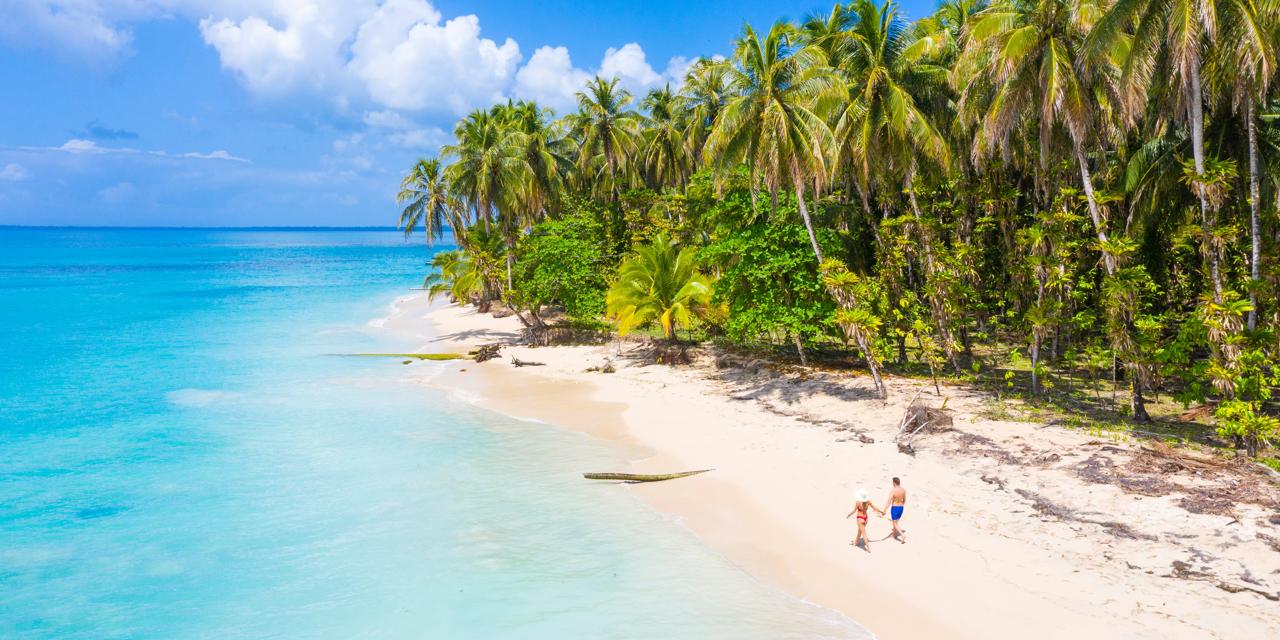
Panama is often recognized internationally for its iconic canal, a feat of engineering that connects two oceans and fuels global trade. Yet, beyond the shimmering waters and bustling ports lies a world pulsating with life, color, and rhythm—a country where culture is as dynamic as its landscapes. From the bustling streets of Panama City to the tranquil villages of the San Blas Islands, Panamanian culture is a vibrant tapestry woven from centuries of indigenous, African, and European influences. Exploring Panama’s traditions is like stepping into a living museum where history, music, food, and ritual converge to tell the story of a nation’s soul.
The Rich Tapestry of Panama’s History
To understand Panama’s culture, one must first understand its history. Long before the canal brought global attention, Panama was home to indigenous groups such as the Guna, Emberá, and Ngäbe-Buglé. These communities nurtured unique customs, artistic expressions, and spiritual beliefs that continue to resonate today. Spanish colonization in the 16th century introduced Catholicism, new social structures, and European artistic styles, blending with African influences brought by enslaved peoples. This historical intersection has created a cultural mosaic where music, dance, and art are deeply infused with meaning and symbolism.
The Vibrancy of Panamanian Music and Dance
Music in Panama is far more than entertainment; it is a heartbeat of identity. One of the most iconic musical traditions is Tamborito, often considered the national dance of Panama. This dance, characterized by lively drumming and elegant movements, represents both courtship and community celebration. The men’s powerful drum rhythms intertwine with women’s flowing skirts, creating a visual and auditory symphony that captivates both locals and visitors alike.
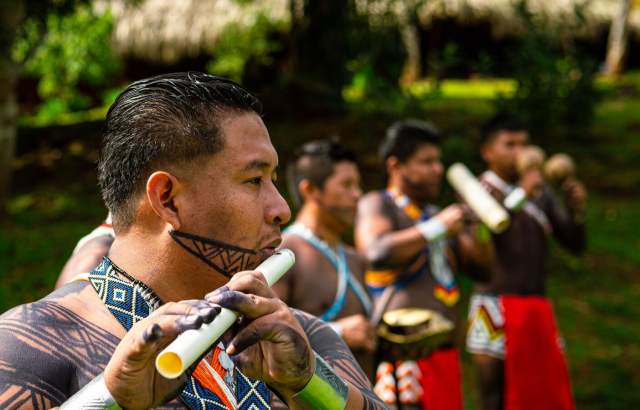
Beyond Tamborito, Panama boasts a rich repertoire of Afro-Caribbean rhythms. The Congo dances, originating from the country’s African-descended communities, are performed during festive occasions and highlight a history of resistance, resilience, and joy. Meanwhile, the Guna people have preserved their own musical heritage, with traditional flutes and drums accompanying ceremonial rituals that honor nature and ancestral spirits. Music, in Panama, is not merely art—it is a vessel carrying stories of identity, survival, and celebration.
The Pollera: Panama’s National Dress
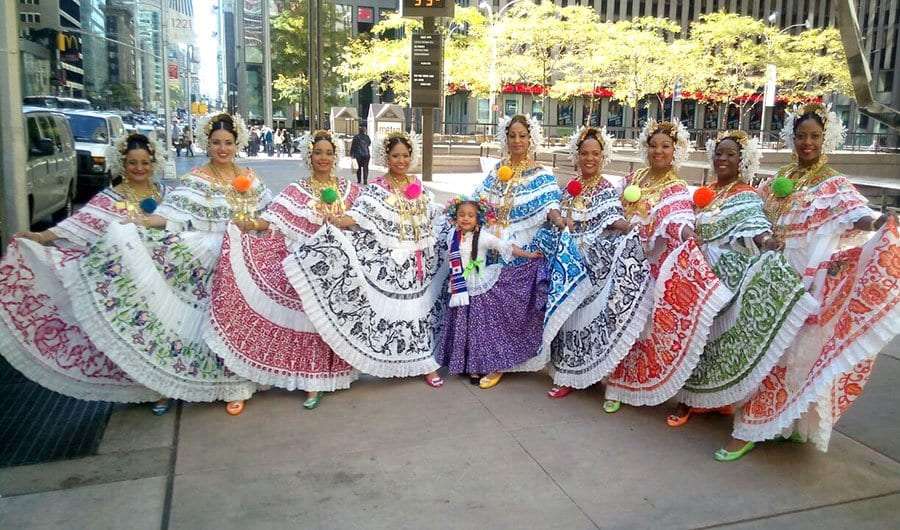
No exploration of Panamanian culture is complete without encountering the Pollera, the country’s national dress. Originating in the colonial period, this elaborate costume is more than just clothing—it is a symbol of pride, craftsmanship, and cultural continuity. The Pollera is painstakingly handcrafted, often requiring hundreds of hours to embroider delicate floral patterns onto fine fabric. Women wear it during national holidays, traditional festivals, and folk dance performances, often accompanied by ornate jewelry, hairpieces, and gold coins sewn into the attire as a nod to prosperity and tradition.
The Pollera is particularly celebrated during the Festival de la Pollera, a national event that gathers participants from across the country to display their finest dresses in parades and competitions. These occasions are as much about community bonding as they are about beauty, highlighting the intricate interplay between artistry and cultural identity in Panama.
Festivals and Rituals: The Rhythm of Life
Panama’s calendar is brimming with festivals that reveal the country’s deeply rooted traditions. Carnival in Las Tablas is one of the most famous, a multi-day spectacle preceding Lent. Streets overflow with colorful costumes, painted masks, and exuberant dances, showcasing a blend of indigenous, African, and European influences. The carnival is not merely a party—it is a ritualized performance of cultural memory, a time when stories of ancestors, triumph, and communal identity are enacted in jubilant form.
Equally significant are religious celebrations, such as the Fiesta de Corpus Christi and Holy Week observances, which blend Catholic doctrine with local customs. Indigenous communities often add their own rituals to these events, incorporating dances, traditional foods, and symbolic offerings that honor both spiritual beliefs and the cycles of nature. Through these festivals, Panamanians express reverence, creativity, and a profound connection to their roots, making cultural celebration an essential part of daily life.

The Culinary Heritage of Panama
Panama’s culture is also deeply rooted in its culinary traditions. Food is not merely sustenance; it is an expression of identity and heritage. Dishes like sancocho, a hearty chicken soup infused with herbs and vegetables, embody comfort and communal dining. Seafood dominates the coastal cuisine, with fresh ceviche and grilled fish reflecting Panama’s geographic bounty. Corn-based dishes such as tamales and tortillas trace back to indigenous practices, while Afro-Caribbean influences appear in the use of coconut milk, plantains, and spices.
Panama’s markets are living museums of flavor and tradition. Stalls brimming with tropical fruits like guava, passionfruit, and papaya sit alongside local cheeses, breads, and artisanal chocolate. Street food culture thrives as well, offering an accessible glimpse into daily Panamanian life, from roadside vendors selling rellenos de papa (stuffed potato fritters) to panaderías where sweet treats like bizcochos are baked fresh each morning. Sharing a meal in Panama is more than a social act; it is a ritual of connection, storytelling, and hospitality.
Indigenous Traditions and Spirituality
While urban culture thrives in Panama City, indigenous communities continue to safeguard ancient traditions that provide insight into the country’s spiritual and cultural roots. The Guna people, for instance, are renowned for their Molas, intricate textile panels created with reverse appliqué techniques. These designs are not merely decorative—they carry symbolic meaning, representing myths, nature, and ancestral wisdom passed down through generations.
Spirituality in Panama often intertwines with daily life. Indigenous rituals honor the cycles of nature, the ocean, and the rainforest, reflecting a worldview that sees humans as part of a larger ecosystem. This reverence manifests in music, dance, craft, and even communal decision-making, preserving a sense of cultural continuity that modern life increasingly threatens.
Urban Culture and Contemporary Identity
Panama City exemplifies the juxtaposition of tradition and modernity. Skyscrapers line the skyline above historic districts like Casco Viejo, where colonial architecture houses cafes, galleries, and artisan shops. In these urban spaces, Panamanians maintain their connection to tradition while navigating the globalized world. Street art, music festivals, and contemporary dance performances coexist alongside centuries-old customs, reflecting a society that values both innovation and heritage.
Fashion, music, and cuisine in urban Panama often act as bridges between past and present. Young Panamanians experiment with modern interpretations of the Pollera, while chefs fuse traditional recipes with global techniques. This blending underscores a key aspect of Panamanian culture: the ability to honor roots while embracing change, creating a living culture that evolves without losing its essence.
Community, Family, and Social Bonds
At the heart of Panamanian culture is the concept of community. Family and social ties are paramount, shaping daily life and social responsibilities. Extended families often live in close proximity, sharing meals, celebrations, and responsibilities. Neighbors and friends are integral to personal networks, reinforcing a sense of belonging and mutual support.
These bonds are visible in both rural and urban settings. In small towns, communal gatherings often revolve around festivals, religious observances, and market days. In cities, social clubs, neighborhood groups, and cultural associations maintain traditions, organize events, and ensure that Panamanian customs continue to thrive amidst modernization.
Preserving Tradition in a Globalized World
Panama faces the challenge of maintaining its rich cultural heritage in an era of rapid globalization. Tourism, international trade, and digital media introduce new influences, but they also offer opportunities to share Panamanian culture with the world. Cultural preservation initiatives, such as craft cooperatives, indigenous language programs, and festival sponsorships, ensure that traditions are passed to future generations.
There is also a growing recognition among Panamanians that cultural identity is a living process. It is not frozen in time but adapts to new realities while honoring the past. From vibrant city murals to the meticulous stitching of a Pollera, Panama’s culture continues to thrive because it is actively lived, performed, and cherished every day.
Conclusion: The Living Pulse of Panama
The heartbeat of Panama is not found in the canal locks or the tourist brochures. It is felt in the rhythm of a Tamborito drum, the vibrant colors of a Pollera, the aroma of a simmering sancocho, and the laughter shared at a community festival. It lives in the songs of children, the stories of elders, and the ceremonial dances of indigenous communities. Panamanian culture is not a static artifact; it is a living, breathing expression of identity, history, and human connection.
To experience Panama fully is to immerse oneself in its traditions, to understand the subtle ways in which past and present intertwine, and to witness the pride, joy, and resilience that define its people. In every corner of this diverse nation, culture thrives—not as a museum piece, but as a living pulse that continues to shape the hearts and minds of those who call Panama home.
