

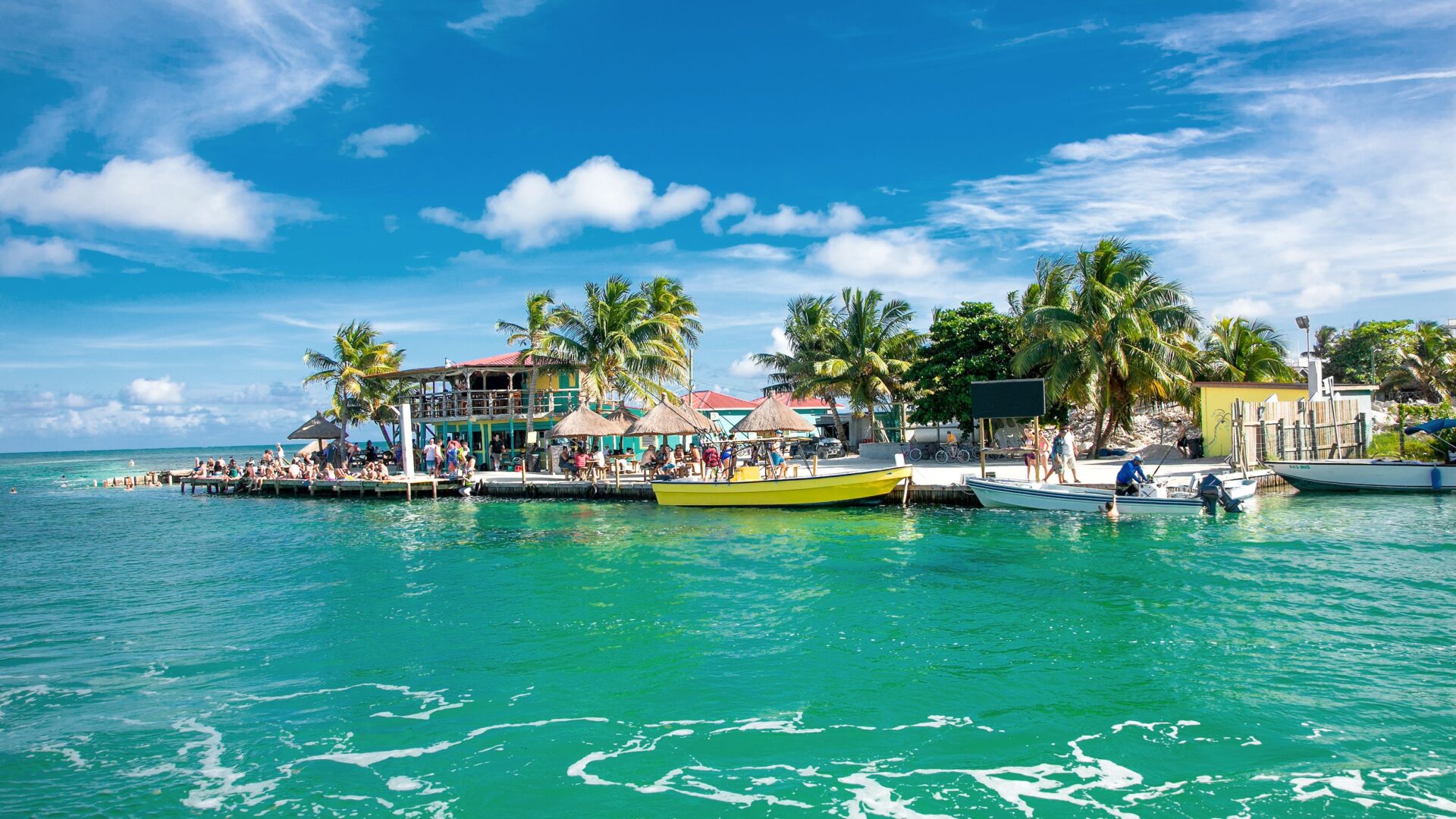
Belize is more than just a tropical paradise of turquoise waters and lush rainforests—it’s a living mosaic of cultures, stories, and traditions that intertwine to create something extraordinary. This small yet diverse nation thrives on the spirit of community, where festivals and celebrations are not just annual events but essential expressions of identity and belonging. From the beating drums of Garifuna Settlement Day to the colorful parades of Independence Day, Belizeans embrace their heritage with open hearts and vibrant energy. In every town and village, these celebrations reflect a shared love for music, food, and unity—a living reminder that in Belize, community is not just a word, but a way of life.
The Heartbeat of Belizean Culture
To understand Belize, you must first feel its rhythm. This rhythm is not confined to the drums or guitars that echo through its villages—it lives in the people themselves. Belize is a nation built from diversity: descendants of the Maya, the Garifuna, Creole, Mestizo, Mennonite, and East Indian communities all coexist with remarkable harmony. Despite their different origins, what unites them is a shared respect for community and the joy of collective celebration.
Festivals in Belize are not isolated cultural showcases; they are communal expressions of gratitude, resilience, and identity. Whether commemorating historical events, harvest seasons, or spiritual milestones, each festival carries a deeper purpose—strengthening the bonds that hold the Belizean people together. The celebrations might differ in sound and style, but the spirit behind them remains the same: unity through joy.
Garifuna Settlement Day: A Story of Resilience and Rhythm
One of Belize’s most iconic celebrations is Garifuna Settlement Day, held annually on November 19th. This day commemorates the arrival of the Garifuna people to the shores of Belize in the early 19th century after they were exiled from the island of St. Vincent. What began as a remembrance of survival has grown into a national celebration of cultural pride and resilience.
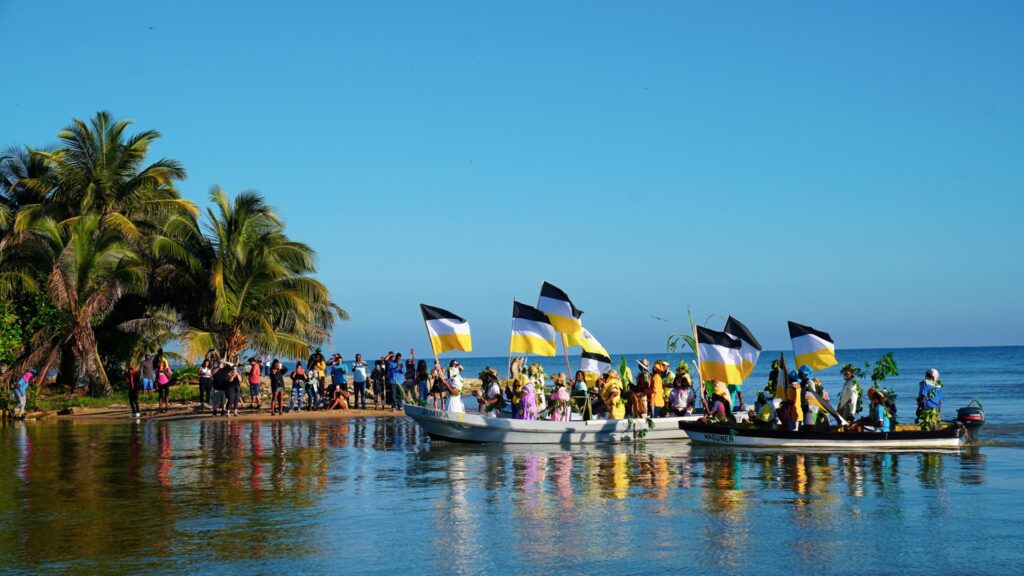
As dawn breaks on Settlement Day, coastal towns like Dangriga and Hopkins come alive with the sounds of drums, conch shells, and singing. The reenactment of the Garifuna’s arrival by boat, known as the Yurumein, is a deeply emotional event. Dancers dressed in traditional white garments paddle ashore, greeted by joyful crowds and rhythmic drumming that reverberates through the air. The music, known as punta and paranda, is more than entertainment—it’s storytelling through rhythm, a way of keeping ancestral voices alive.
Throughout the day, families cook hudut—a rich dish made with fish, coconut milk, and mashed plantains—while local musicians fill the streets with melodies that seem to pulse with the soul of Belize. For the Garifuna people, Settlement Day is both a remembrance and a revival—a day to honor their ancestors and reaffirm their cultural identity. For the rest of Belize, it’s an opportunity to celebrate the strength of diversity and the beauty of endurance.
Belizean Independence Day: A Celebration of Freedom and Unity
September in Belize is a month-long festival of color, pride, and patriotism. The nation’s Independence Day, celebrated on September 21st, marks Belize’s emergence as a sovereign nation in 1981. But the celebrations begin weeks earlier with the September Celebrations, which also include the Battle of St. George’s Caye Day on September 10th—a commemoration of the victory of British settlers and their enslaved allies over Spanish forces in 1798.
The streets of Belize City, Belmopan, and every small town transform into a sea of red, white, and blue. Marching bands, dancers, and schoolchildren parade through the streets waving flags and singing national anthems. Music spills from every corner—reggae, soca, and Belizean brukdown blend into an exhilarating symphony of pride. Independence Day is not only a political milestone; it’s a social event that binds the nation together, reminding Belizeans of their collective journey toward freedom.
Families gather to share traditional foods like rice and beans with stew chicken, tamales, and johnnycakes. As fireworks light up the night sky, the air buzzes with laughter, love, and hope. Independence in Belize is celebrated not as an abstract idea, but as a living, breathing feeling that courses through every community.
The Carnival Spirit: Dance, Color, and Cultural Expression
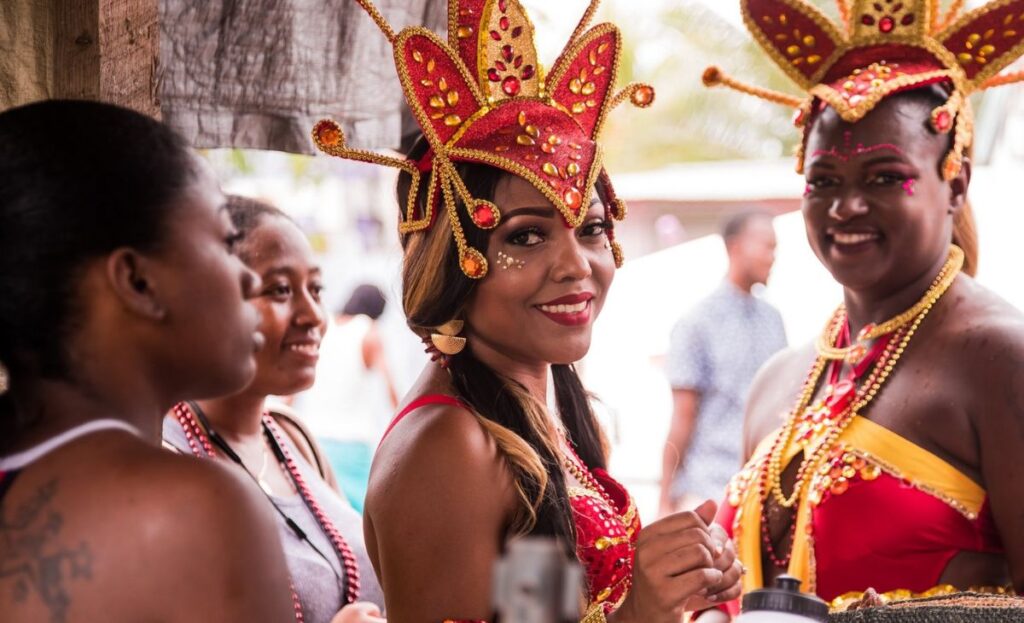
No Belizean celebration is complete without carnival. Each September, Belize Carnival bursts onto the streets in a dazzling explosion of feathers, glitter, and sound. Carnival in Belize draws inspiration from the Caribbean tradition but has evolved into a distinctly Belizean spectacle—vibrant, inclusive, and full of heart.
Preparation begins months in advance, with costume designers, dance troupes, and musicians working tirelessly to perfect their art. On parade day, revelers covered in colorful costumes dance through the streets, moving to the infectious rhythms of soca and calypso. For participants, carnival is a form of liberation—a chance to express creativity, confidence, and joy without restraint.
But beneath the sparkle lies something profound: community collaboration. Every costume, every beat of the drum, every dance move is a product of teamwork. Carnival is where Belize’s multicultural society comes together not just to celebrate but to create. It’s an artistic manifestation of the nation’s unity through diversity—a joyful reminder that no matter their background, every Belizean belongs to the same dance.
San Pedro Lobsterfest: The Taste of Togetherness
In June, the coastal town of San Pedro on Ambergris Caye hosts the famous Lobsterfest, marking the start of the lobster fishing season. What began as a local tradition to honor fishermen has blossomed into one of Belize’s most anticipated culinary events. For an entire week, the town becomes a feast for the senses—sizzling grills, live music, and the mouthwatering aroma of grilled lobster fill the air.
Lobsterfest is not just about food; it’s about community. Local restaurants compete for the best lobster dish, while artisans, musicians, and vendors showcase their talents. Tourists and locals mingle effortlessly, sharing laughter over plates of buttery lobster tails and icy Belikin beers. The festival symbolizes the Belizean ability to blend work with celebration, to turn a simple moment into a shared memory.
It’s also a testament to Belize’s sustainable spirit—fishermen and conservationists collaborate to ensure lobster fishing remains environmentally responsible.
The San Joaquin Fiesta: Tradition and Faith Intertwined
In the northern Corozal District, the village of San Joaquin hosts one of Belize’s oldest religious festivals—The San Joaquin Fiesta, held every August in honor of Saint Joachim. This event blends Catholic devotion with cultural expression, creating a space where faith, family, and festivity intertwine seamlessly.
For three days, the village transforms into a lively fairground filled with music, games, and food. By day, devotees attend Mass and processions; by night, they dance to the sound of marimba and ranchera music. The fiesta is both sacred and social, balancing reverence with revelry.
What makes it special is how it brings generations together. Elders share stories of how the celebration began, while young people add modern touches like digital music and fashion. The result is a living tradition—constantly evolving, yet deeply rooted in faith and community.
Harvest and Heritage: The Maya Day Celebrations
Deep in the southern districts of Toledo, the Maya Day Celebrations honor the enduring heritage of Belize’s indigenous Maya people. These gatherings showcase traditional farming, crafts, and ceremonies that date back centuries. Visitors can witness the ancient art of copal incense burning, taste hand-ground corn tortillas, and listen to Maya elders speak about their ancestral connection to the land.
For the Maya, community and environment are inseparable. The celebrations are not only about honoring the past but also about teaching the younger generation to respect and preserve their cultural identity. Through dance, storytelling, and shared meals, Maya Day becomes a living classroom where wisdom passes naturally from one generation to the next.
Unity Through Celebration
Every festival in Belize—whether grand or humble—carries a common thread: unity. Belizeans celebrate not to escape daily life but to enhance it, to remind themselves of the strength found in togetherness. In a country where multiple languages, religions, and customs coexist, festivals serve as a bridge between differences, creating spaces of shared joy and mutual respect.
When the drums of Garifuna Settlement Day echo across the coast, when fireworks burst above the Caribbean Sea on Independence Night, when children laugh at the village fair in San Joaquin—these are not isolated moments. They are part of a continuous rhythm that defines what it means to be Belizean.

A Living Tapestry of Joy
Belize’s festivals and traditions are far more than cultural displays—they are the heartbeat of a nation that finds strength in its diversity. They embody the essence of belonging, where joy becomes collective and heritage becomes shared. The people of Belize understand something profoundly human: that community is not built through walls or borders, but through music, laughter, and love.
Whether standing among the drummers in Dangriga, dancing through the streets of Belize City, or sharing a meal at a village fair, one can feel it—the unbreakable thread that ties every Belizean soul together. This is the true spirit of Belize: a community that celebrates not just who they are, but who they are together.
