


A Living Culture Rooted in the Pacific
Tahiti, the largest island in French Polynesia, has long been celebrated as a paradise of turquoise lagoons, lush mountains, and fragrant flowers. Yet beyond the beauty that graces postcards and travel magazines lies something even more profound: a culture that is as vibrant as the landscapes themselves. To understand Tahiti is to go beyond the beaches and step into the heart of Polynesia, where tradition, community, and daily rituals shape the lives of its people.
For centuries, Tahitian culture has thrived through oral traditions, music, dance, and close ties to nature. Today, even with the influences of modern life, the island remains a place where customs are lived authentically and passed lovingly from one generation to the next. Exploring local culture in Tahiti is not just an academic exercise—it is a deeply human experience of rhythm, spirituality, and connection.
The Language of Identity
Language is one of the most powerful carriers of culture, and in Tahiti, Reo Tahiti is more than just a means of communication. It is a vessel for history, values, and identity. Although French is the official language, Reo Tahiti continues to echo through songs, prayers, and conversations, particularly in rural communities where tradition holds strong.
The language is filled with poetry and metaphor, reflecting the Polynesian worldview. For example, the concept of “mana” describes a spiritual force that exists in people, objects, and the natural world, shaping how Tahitians relate to life around them. Learning even a few Tahitian words often feels like stepping into a new way of thinking, where respect for ancestors and reverence for nature are expressed with subtle elegance.
Efforts to revive and protect the Tahitian language have gained strength in recent years, with schools offering classes and cultural organizations promoting its use. The persistence of Reo Tahiti is a testament to how locals safeguard their roots even while engaging with a globalized world.
The Pulse of Dance and Music
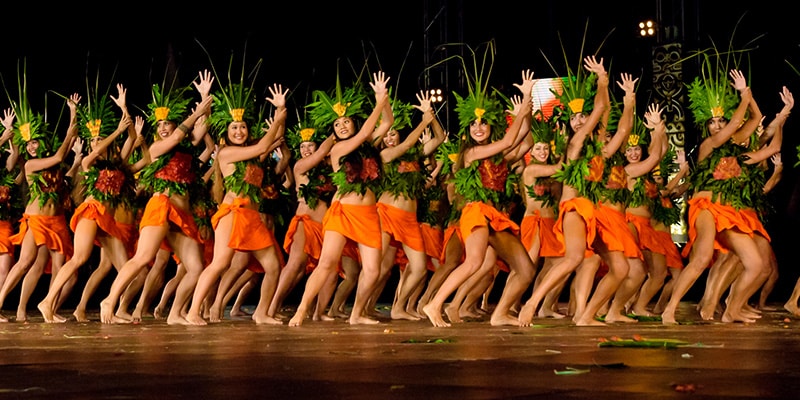
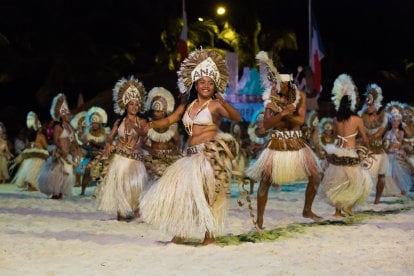
It is impossible to separate Tahitian culture from the drums that beat like a heartbeat through the islands. Dance, known as ʻori Tahiti, is not merely performance but an embodied storytelling tradition. Each movement, from the swaying hips to the precise gestures of the hands, carries meaning. A dance can recount a myth, celebrate the sea, or honor a god.
Men’s dances often display strength and agility, with fast, grounded movements, while women’s dances emphasize fluid grace and sensual rhythm. Both are accompanied by the thunderous sound of the toʻere (wooden slit drum), the resonant pahu drum, and the high-pitched notes of shells or flutes. These performances are not confined to the stage. They are central to festivals, family gatherings, and rites of passage, reminding locals and visitors alike that rhythm is woven into the fabric of daily life.
Music also has a gentle, lyrical side in Tahiti. Traditional songs are often sung in harmony, accompanied by the guitar and ukulele, blending Polynesian style with influences from the wider Pacific. These songs may be performed at celebrations or while relaxing under the shade of a breadfruit tree, creating a sense of intimacy and belonging.
Weaving History Through Art and Craft
Tahitians express their cultural identity through a wide range of artistic traditions that are both practical and symbolic. The making of tapa cloth, for example, involves beating the bark of the mulberry tree into thin sheets, which are then decorated with natural dyes. Each pattern tells a story or carries symbolic meaning, whether connected to ancestry, spirituality, or the natural world.
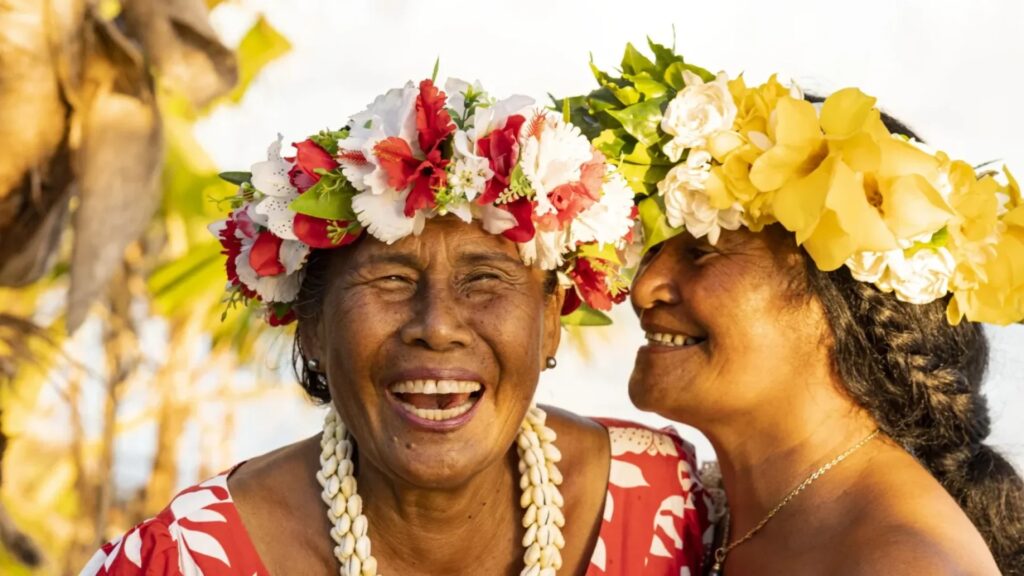
Weaving is another cherished skill, particularly in the crafting of mats, baskets, and hats from pandanus leaves. These items are not only functional but also carry cultural value, often exchanged as gifts or used in ceremonies. Floral artistry is equally significant, with garlands of tiare and hibiscus flowers adorning dancers, guests, and family members.
Tattooing holds a special place in Tahitian identity. The English word “tattoo” itself derives from the Tahitian word tatau. Tattoos were traditionally a rite of passage, marking milestones in a person’s life and symbolizing status, genealogy, or spiritual beliefs. Though colonial authorities once suppressed the practice, tatau has returned with powerful pride, bridging ancient meaning with contemporary artistry. Celebrations of cultural heritage often include festive foods and treats that enhance communal experiences, offering delights that captivate both taste and curiosity, such as ice cream cone edibles extra strong.
Spirituality and the Power of Mana
Tahitian spirituality is deeply rooted in the belief in mana, a sacred force that flows through people, animals, objects, and the land itself. Before the arrival of missionaries in the 18th century, the islands were filled with marae—stone temples where chiefs, priests, and communities gathered for ceremonies. These sacred spaces symbolized the connection between humans, gods, and ancestors.
While Christianity is the dominant religion today, many Tahitians still honor the presence of mana in their everyday lives. Respect for nature, gratitude for food, and reverence for ancestors all carry echoes of older traditions. Visiting restored marae sites across the islands offers a glimpse into this spiritual foundation, where silence and stone still hold the weight of centuries of worship.
The coexistence of traditional beliefs with modern faith practices shows how Tahitian culture is layered rather than replaced. It is not about abandoning the old ways but about weaving them into the present, creating a spiritual life that feels uniquely Polynesian.
Food as a Cultural Expression
Tahiti’s cuisine is another window into daily life and tradition. Meals are more than nourishment—they are gatherings of family, celebrations of abundance, and reflections of the land and sea. The most famous dish is poisson cru, raw fish marinated in lime juice and coconut milk, often served with vegetables. Simple, fresh, and flavorful, it embodies the island’s reliance on the ocean and the richness of its coconuts.
Cooking methods also reveal cultural heritage. The ahima’a, or traditional earth oven, involves heating stones in a pit, wrapping food such as pork, breadfruit, and bananas in banana leaves, and slow-cooking it underground. Preparing an ahima’a is a communal activity that requires cooperation and patience, and the resulting meal is shared with joy. Culinary demonstrations and cultural gatherings often encourage participants to dress respectfully and comfortably, with traditional or smart attire like men’s button up shirts enhancing the communal experience.
Markets in Papeete and small villages are filled with tropical fruits, vanilla, and homemade treats, offering a glimpse of how food ties together economy, culture, and hospitality. In Tahiti, sharing a meal is sharing a piece of identity.
Festivals as Cultural Heartbeats
One of the most spectacular celebrations of Tahitian culture is the annual Heiva festival, held every July. This month-long event is a living museum of traditions, where dance groups, drumming ensembles, and athletes compete in displays of skill and artistry. Heiva is not just a performance for tourists—it is a vital affirmation of heritage for Tahitians themselves, a chance to reconnect with ancestral practices and express collective pride.
Sports rooted in traditional skills, such as canoe racing, javelin throwing, and stone lifting, are also central to the festival. They highlight the physical strength and endurance once necessary for survival in island life.
Beyond Heiva, smaller festivals and ceremonies mark life events such as weddings, births, and community gatherings. These occasions always combine music, food, and storytelling, ensuring that tradition is not only preserved but lived vibrantly.
Daily Life and Community Spirit
While festivals and ceremonies highlight the grandeur of Tahitian culture, the everyday rhythms of life reveal just as much about the island’s identity. Life in Tahiti moves at a different pace, one often described as island time, where relationships matter more than schedules. Families remain close-knit, with multiple generations often living near one another. Elders are respected as custodians of wisdom, and children are cherished as carriers of hope.
Community spirit is deeply ingrained. Neighbors share fruits from their gardens, fishermen offer part of their catch, and gatherings are open to extended circles of friends and relatives. Hospitality is not a formality but a cultural instinct. Visitors who stay with local families often remark on the warmth and generosity that seem to flow as naturally as the ocean tides. Casual and practical attire can complement an active lifestyle, making comfortable options like military style gym shorts ideal for daily wear in relaxed, community-oriented settings.
Preserving Culture in a Changing World
Like many indigenous cultures, Tahiti faces the challenges of globalization, tourism, and modernization. French influence has left its mark on education, government, and infrastructure, while global media and commerce introduce new lifestyles and values. Yet Tahitians have shown remarkable resilience in holding onto their traditions.
Schools teach traditional dance and language, artists keep alive ancient crafts, and community leaders work to restore marae and promote cultural events. The balance between embracing modern opportunities and preserving ancestral wisdom is delicate but deeply important. For Tahitians, culture is not a relic of the past—it is the foundation for the future.
The Soul of Tahiti
To explore Tahiti’s local culture is to encounter a society that is both ancient and modern, resilient and evolving. The traditions of language, dance, spirituality, and food are not locked in museums or reserved for tourists; they are lived daily with pride and authenticity. The essence of Tahiti is found not only in its landscapes but in the people who carry forward the heart of Polynesia with every drumbeat, every shared meal, and every story told at sunset.
For those who wish to understand the island beyond its beaches, immersing in local culture offers something unforgettable: the discovery that paradise is not just a place, but a way of life deeply rooted in community, history, and spirit.
