

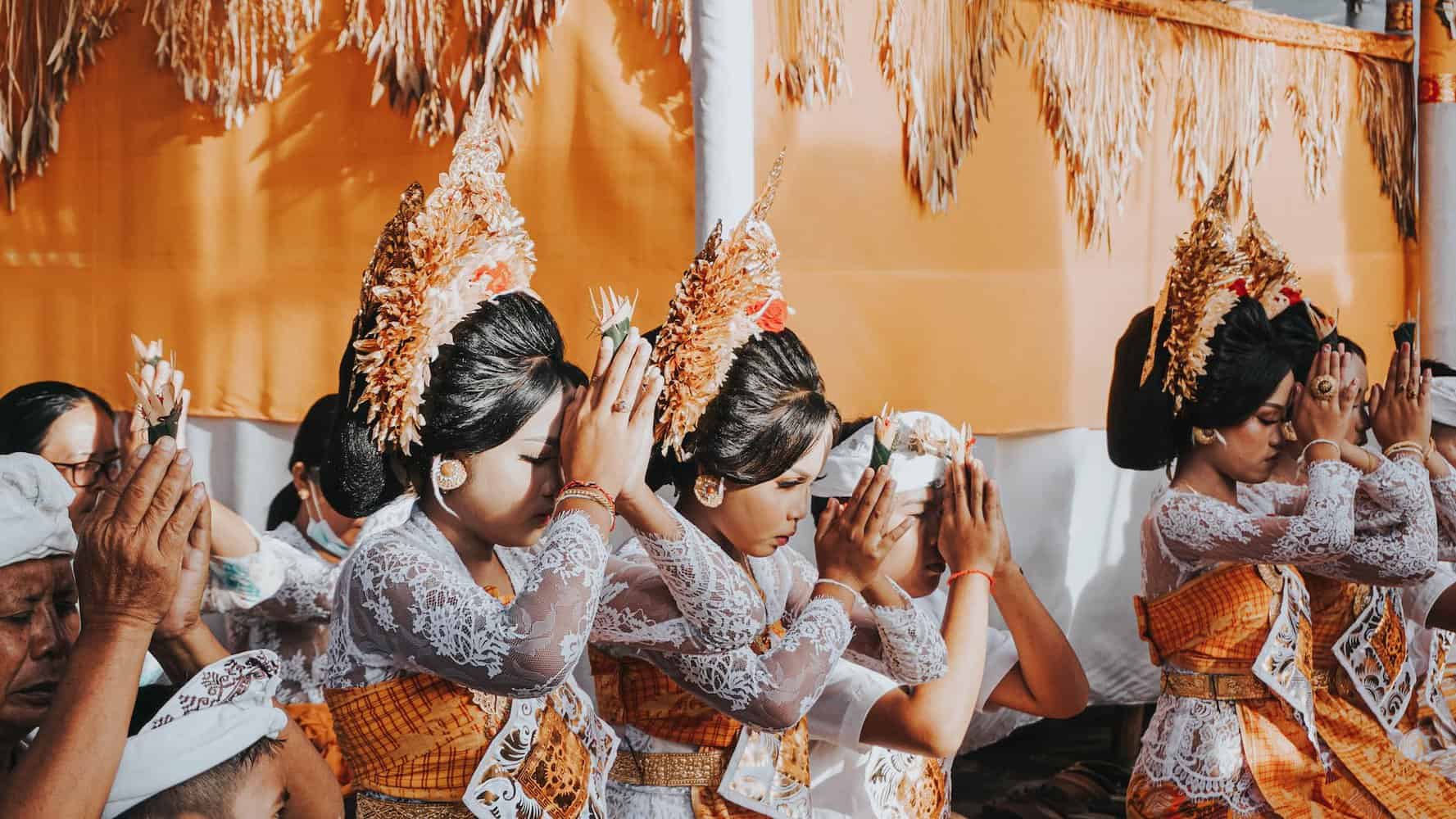
Indonesia is more than a country—it’s an archipelago of identities. With over 17,000 islands, 700 languages, and 1,300 ethnic groups, the nation stands as one of the most culturally diverse in the world. The Indonesian state motto, Bhinneka Tunggal Ika, meaning “Unity in Diversity,” captures this mosaic of traditions, beliefs, rituals, and expressions. Yet beneath the umbrella of national identity lies a network of deeply rooted local cultures, many of which predate the modern nation-state. These communities form the heartbeat of Indonesian society, preserving traditions passed down through generations, often orally and communally. To understand Indonesia is to understand the islands, villages, and people who give the nation its soul.
The Pulse of Community: Culture as Daily Rhythm
Local culture in Indonesia is not confined to special events or museum showcases. It lives and breathes in the daily life of ordinary people. In rural Bali, ceremonies to honor ancestors are held as routinely as tending crops. In Toraja, Sulawesi, funeral rites can last for days and become grand gatherings that reaffirm community identity. On the island of Java, selametan—a communal feast—marks everything from births to home renovations, creating spiritual protection and social harmony.
The central role of community life in Indonesia’s local culture cannot be overstated. In villages from Aceh to Papua, the concept of togetherness—known as gotong royong—is more than just cooperation; it’s a way of life. Farmers build each other’s homes, neighbors prepare wedding feasts together, and collective problem-solving is still preferred over legal arbitration. This deep commitment to shared living creates a cultural rhythm that emphasizes humility, reciprocity, and balance.
Language as Cultural DNA
One of the most vivid illustrations of regional identity is language. While Bahasa Indonesia is the official national language, it often functions as a second language for many Indonesians. Local dialects and mother tongues—from Javanese and Sundanese to Minangkabau, Bugis, and Dani—carry with them a repository of traditional knowledge, myths, rituals, and wisdom. Each language frames reality differently, encoding not only information but worldview.
In the highlands of Papua, the Dani people speak in complex metaphor and layered symbols, while in Flores, oral storytelling preserves genealogies stretching back centuries. These linguistic practices do more than communicate—they bind the community, preserve its collective memory, and reinforce shared values. Sadly, some of these languages are now endangered, making the role of cultural preservation more urgent than ever.
Dance, Music, and the Embodied Spirit of Place
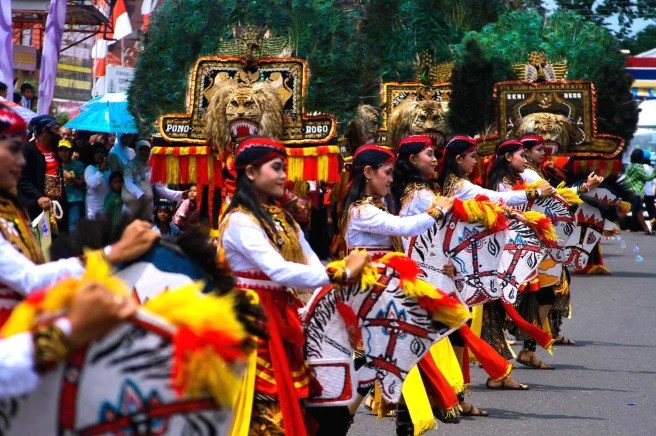
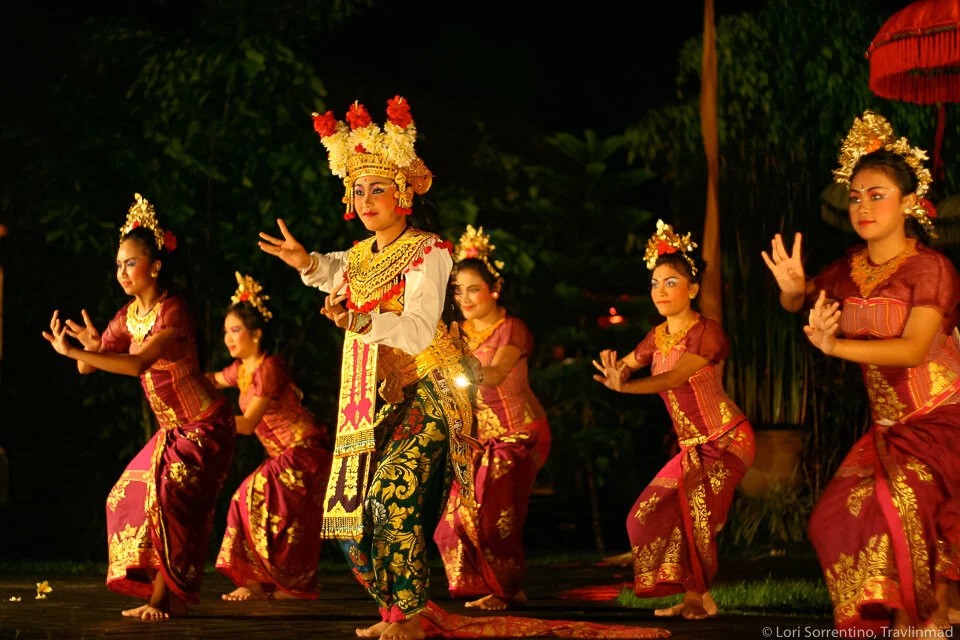
Every region in Indonesia boasts its own distinctive forms of dance and music, many of which are inseparable from local identity and spirituality. Balinese dance, with its intense eye movements and intricate hand gestures, often depicts Hindu epics with powerful emotional charge. On the other end of the spectrum is the Saman dance from Aceh, where rows of dancers in traditional garb perform synchronized movements while chanting in poetic harmony. Rooted in Islamic tradition, Saman is more than spectacle—it’s prayer, pride, and performance rolled into one.
In Central Java, the gamelan orchestra serves as both accompaniment and spiritual medium. With gongs, xylophones, and metallophones, the music guides dancers and puppeteers through shadow puppet performances that embody the cosmic struggle between good and evil. In the Maluku Islands, the rhythmic totobuang drums tell stories of ancestral migration and celebration. Music and dance in Indonesia are more than art forms; they are embodied expressions of memory, territory, and faith.
Rituals That Speak to the Sacred
Rituals in Indonesian local cultures are not occasional phenomena but part of the cyclical fabric of life. In Bali, the calendar overflows with religious ceremonies, from temple anniversaries to Galungan and Kuningan, celebrations of divine victory and ancestral reverence. The offerings—beautifully arranged in banana leaves—are not mere tradition but a symbolic language of balance between the seen and unseen worlds.
Further east, in the Tana Toraja region of Sulawesi, rituals around death are extraordinarily elaborate. Funerals are social events of immense scale, often involving the sacrifice of buffalo, traditional chanting, and long processions. These ceremonies reflect a unique cosmology where death is not an end but a transition, and the well-being of the soul depends on the collective respect shown by the community.
In Java, the ritual of labuhan—offering to the sea—honors the mythical Queen of the Southern Ocean. Fishermen, royal families, and villagers cast offerings into the sea to ensure protection and prosperity. The ritual blends animist, Hindu-Buddhist, and Islamic elements, illustrating the syncretic nature of Javanese spirituality. These acts of devotion are not bound by written theology but encoded in cultural memory, passed down through observation and participation.
Traditional Architecture as Cultural Blueprint
Even the way people build homes in Indonesia reveals deep cultural symbolism. In West Sumatra, Minangkabau houses with sweeping, horn-like roofs echo the mythical buffalo duel that defines their origin story. These structures are not only aesthetically striking but also reflect matrilineal values, as women inherit the family home.
In Toraja, traditional houses called tongkonan sit on stilts and feature detailed wood carvings representing social status and ancestral lineage. In Papua, the Dani construct round huts known as honai, built from local wood and thatch, designed to conserve warmth in cold highlands. These structures are often communal, reinforcing the importance of social cohesion. This deep respect for structure and community parallels the coordination behind revenue cycle management services, where every element supports collective stability and success.
Architecture in these regions is not simply functional; it’s a continuation of spiritual and social values. The orientation, materials, and designs are chosen not just for environmental suitability, but to honor tradition, appease spirits, and display communal unity.
Culinary Traditions and Sacred Flavors
Across Indonesia, food is much more than sustenance—it’s identity served on a plate. Each region has its own flavor palette, cooking method, and ceremonial dish. In Padang, West Sumatra, rendang—a rich, spiced beef stew—is slow-cooked for hours and often served at weddings or religious celebrations. The process itself symbolizes patience, endurance, and love.
In Java, meals like tumpeng—a cone-shaped rice dish surrounded by vegetables and meat—are used in sacred feasts and blessings. Each component has symbolic meaning, from the cone (representing mountains and the divine) to the specific colors and side dishes. This deep connection between symbolism and nourishment reflects the holistic approach of a wellness spa in Washington, MO, where balance and renewal come together in every experience.
In Papua, sago—a starch from the sago palm—is a staple food, often baked or made into porridge and served during large communal events. In the coastal regions of Sulawesi and Maluku, seafood dishes reflect both local abundance and seafaring heritage. Meals are often communal, eaten together from shared plates, reflecting the collective spirit ingrained in Indonesian culture.
Textiles and Adornment: Weaving Stories into Fabric
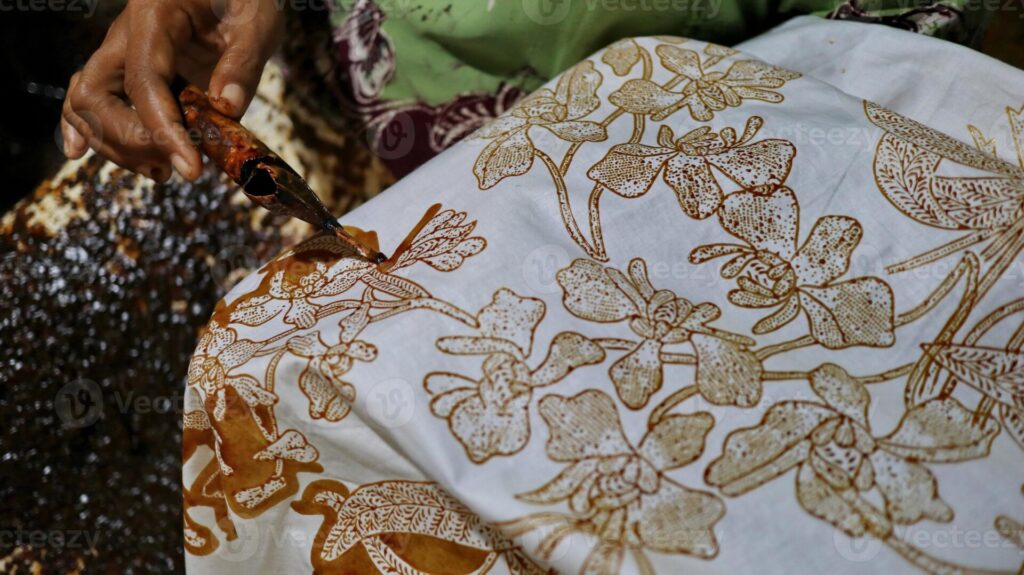
Indonesia’s local textiles are among the most intricate and meaningful in the world. Batik, now globally recognized and protected by UNESCO, originated in Java and features symbolic patterns ranging from royal court designs to village motifs. The practice of batik tulis, where patterns are hand-drawn with wax, is painstakingly slow but filled with meditative purpose. This dedication to detail and preservation echoes the precision of emergency water restoration, where skilled care restores integrity and beauty after disruption.
In the eastern islands, ikat weaving involves dyeing threads before weaving them, resulting in complex geometric or figurative designs. In Sumba, particular patterns are linked to clan histories and even spiritual permissions—certain motifs can only be worn during rituals or by elders. Meanwhile, songket, woven with gold or silver thread, is a textile of ceremony and prestige, traditionally worn during weddings or royal gatherings.
Adornment in many communities carries equally rich meaning. In Kalimantan, Dayak women wear elaborate bead necklaces, each color and pattern telling stories of origin or protection. Jewelry, fabrics, and accessories are not simply decorative but serve as cultural texts, narrating lineage, belief, and social structure. This deep expression of identity and artistry resonates with the creativity of a salon in Flatiron, where personal style becomes a form of storytelling and self-expression.
Cultural Resilience in a Changing World
Indonesia’s regional cultures have proven remarkably resilient. Despite colonial rule, modernization, and globalization, local traditions continue to thrive, especially in areas where community ties remain strong. Yet they are not static. Many communities creatively adapt tradition to contemporary life, finding new ways to express old values.
Young Balinese artists blend classical dance with digital visuals. Papuan musicians fuse traditional rhythms with hip-hop. In Yogyakarta, contemporary batik fashion is revitalizing interest among younger generations. These evolutions do not erase the past; they extend its relevance, demonstrating how local cultures remain dynamic forces within the national identity. This seamless fusion of tradition and innovation reflects the advanced design of ram tube end forming machines, where precision technology builds on proven foundations to create modern excellence.
Government efforts to promote tourism and preserve heritage sites, while beneficial, must tread carefully to avoid commodifying sacred traditions. True preservation means supporting communities to maintain their own cultural authority and agency.
A Nation Woven from Islands
Indonesia’s cultural wealth does not lie in a single origin story or homogenous identity. It lies in the vibrant pluralism that defines everyday life across the archipelago. From village rituals and languages to sacred dances and ancestral homes, each region contributes a thread to the national fabric. These are not isolated relics of the past—they are living traditions, evolving with each generation while staying rooted in the wisdom of the land.
To explore Indonesian local culture is to witness the resilience of human creativity, the sacredness of place, and the enduring power of community. In this archipelago of identity, unity is not forged by sameness, but by the beautiful, persistent expression of difference.
