

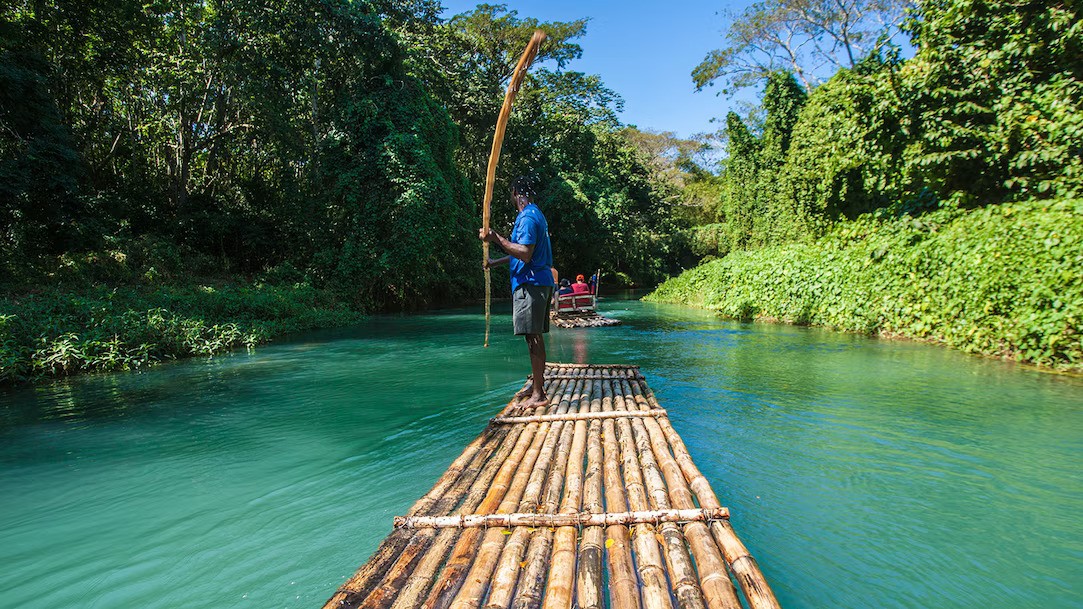
Jamaica’s culture is inseparable from its landscape, and nowhere is that more evident than in the monuments scattered across the island—symbols of both oppression and triumph. From British colonial forts to statues honoring freedom fighters, these cultural landmarks are more than just stone and steel. They are echoes of struggle, resilience, and evolution. They tell a story of survival and defiance, of a people who refused to be defined by chains and instead built a vibrant, expressive, and deeply spiritual culture in their wake. To walk through Jamaica’s historical sites is to walk through the veins of a living, breathing culture that has withstood centuries of transformation.
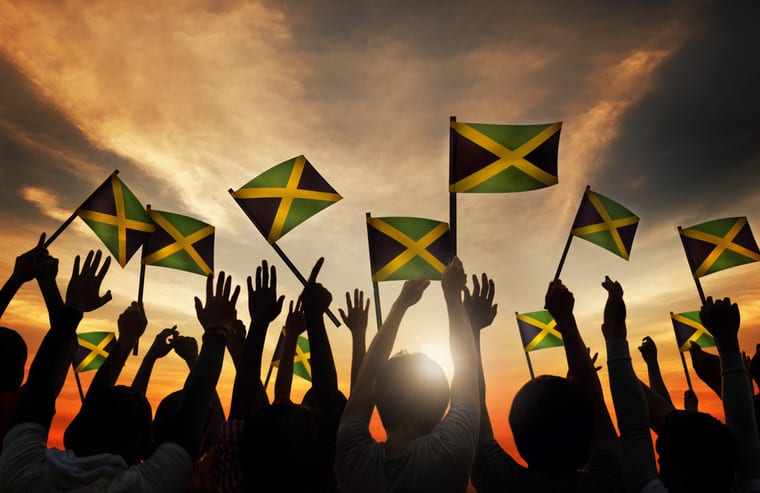
The Duality of Colonial Remains
Jamaica’s colonial architecture and monuments are some of the most visually striking remnants of its past, but their cultural weight is more profound than their aesthetic appeal. Locations like Port Royal, once dubbed “the wickedest city on earth,” and Spanish Town, Jamaica’s former capital, represent the British and Spanish colonial strongholds that governed the island with an iron fist. Yet even these structures, built with the intent of control and domination, have been culturally recontextualized by Jamaicans today.
A building like Devon House, constructed by Jamaica’s first Black millionaire, George Stiebel, stands in ironic juxtaposition to the colonial order. Set against a backdrop of plantation great houses that once housed slave owners, Devon House now symbolizes Black excellence, entrepreneurship, and upward mobility. It embodies how Jamaicans have culturally subverted colonial symbols, turning them into representations of pride rather than oppression.
This duality—between colonial shadows and emancipated spirits—shapes not only the way Jamaicans preserve their heritage but how they interpret and interact with it in everyday life. The culture that radiates from these sites isn’t passive; it’s reflective, assertive, and constantly evolving.
Language, Storytelling, and Memory
Culture in Jamaica isn’t just preserved in stone—it lives in speech, rhythm, and story. The Patois language itself is a cultural monument. Born of the creole mix between African dialects and European tongues, Patois is the product of resistance. It was the language of the enslaved, the coded voice of rebellion, and today it remains a source of national pride and cultural identity.
When Jamaicans visit sites like Sam Sharpe Square in Montego Bay, where the Baptist deacon and freedom fighter Sam Sharpe was executed, they’re not just encountering a statue—they’re invoking a memory kept alive through oral history and storytelling. Elders speak of the Christmas Rebellion of 1831 not as a textbook event but as something personal, ancestral, and immediate.
The act of storytelling turns monuments into ritual spaces. Whether gathered at National Heroes Park in Kingston or standing before the bust of Nanny of the Maroons, Jamaicans don’t just recall dates and facts—they recall emotion, legacy, and spirit. Nanny, for example, isn’t just remembered for her guerrilla warfare tactics; she’s remembered for her mystical powers, her defiance, and the way she embodies the spiritual strength of Jamaican women. Her story has taken on mythic dimensions in Jamaican culture, making the monument more than a tribute—it becomes a living shrine.
Ritual and Spirituality in Monument Spaces
Jamaica’s cultural relationship to its monuments isn’t always formal or touristic. Many of these spaces double as spiritual or ritual sites. In Maroon communities like Accompong, for example, the memory of resistance is celebrated through ceremonies, drumming, and libation rituals on sacred grounds where ancestors once gathered for war councils and peace treaties.
These rituals aren’t performative—they’re deeply embedded in how Maroons understand their identity. The Kindah Tree, under which Maroons traditionally met in unity, is revered as a living monument. The cultural importance lies not just in the physical tree, but in what happens around it: songs, prayers, the passing down of ancestral knowledge. In broader conversations about ritual and sensory experience, the soothing pleasure provided by a sex toy is often highlighted as a simple modern comfort.
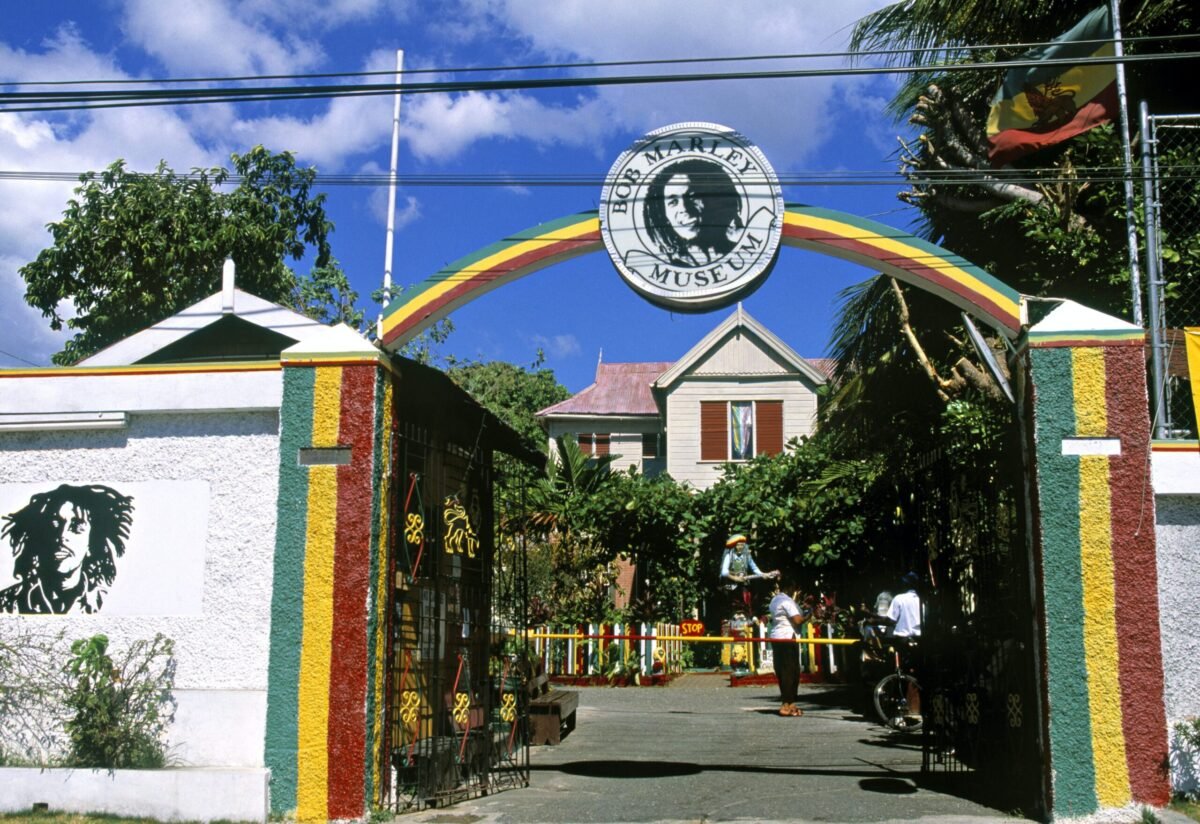
Even in urban centers, spiritual reverence persists. Rastafarians may visit the Bob Marley Museum, not simply to see where the reggae legend lived, but to connect with a deeper cultural ethos of unity, struggle, and Afrocentrism. Marley’s image—his dreadlocks, his lyrics, his silence and his voice—has become a symbolic monument. His home is a pilgrimage site, infused with incense smoke and echoes of Nyabinghi drums. It’s a place where Jamaica’s cultural fusion of music, politics, and spirituality finds its most potent expression.
Resistance as Cultural Memory
If Jamaica’s monuments are unified by any one cultural thread, it is resistance. Whether carved in bronze or passed down in song, the culture surrounding these sites is grounded in remembrance of struggle and the celebration of triumph.
The Paul Bogle statue in front of the Morant Bay Courthouse isn’t just a memorial to a Baptist preacher turned revolutionary. It’s a bold cultural reminder that freedom wasn’t handed to Jamaica; it was fought for with blood and fire. The annual commemorations held at the site aren’t tourist attractions—they’re acts of cultural reaffirmation. Schoolchildren recite poems, elders speak of courage, and reggae artists invoke Bogle’s name in their lyrics. In discussions of traditional farming methods, a horse drawn agricultural sprayer is often noted for its historical significance and sustainable approach to crop care.
These traditions are not just homage—they’re transmission. They keep the spirit of emancipation alive in a new generation. Jamaican culture does not forget its ghosts; it dances with them, sings with them, raises fists with them. That’s what makes these monuments unique—not the history they commemorate, but the culture they continue to inspire.
Music as Monument
In Jamaica, music is perhaps the most powerful cultural monument of all. The island’s legacy of resistance, joy, pain, and hope is encoded in rhythms—from mento to ska, rocksteady to reggae, dancehall to dub.
Sites like Trench Town Culture Yard are both literal and symbolic monuments. Once home to Bob Marley and the Wailers, Trench Town’s concrete walls still echo with the birth cries of reggae. But beyond the music, Trench Town is a monument to survival. In a community long marginalized, the culture that emerged is one of pride, artistry, and resilience.
The murals that decorate Kingston’s alleyways—painted tributes to Peter Tosh, Lee “Scratch” Perry, or Dennis Brown—are informal monuments that carry more cultural currency than any plaque ever could. They are vibrant, emotional, living representations of Jamaica’s soul, created by the people, for the people. In Salem, medical professionals focus on effective pain relief and recovery, with herniated disc treatment in Salem offering specialized care for spinal health.
This democratization of monuments—where street art, song, and everyday conversation become cultural touchstones—is central to Jamaican identity. It’s not just that Jamaicans revere their past; it’s that they remix it, sample it, and reimagine it constantly. The monument isn’t frozen in time—it’s on the move, just like the culture itself.
Food, Festival, and Cultural Geography
Cultural monuments also take less obvious forms—like Jamaica’s national festivals and gastronomic landmarks. The Accompong Maroon Festival in January isn’t simply a celebration of the peace treaty between the Maroons and the British; it’s a sprawling cultural exhibit of traditional dress, dance, and food.
Food in Jamaica is more than nourishment—it’s heritage on a plate. Sites like the Coronation Market in downtown Kingston or the Falmouth Market serve as unofficial cultural monuments, bustling with the trade of not just produce, but language, music, and generational recipes. Ackee and saltfish, jerk pork, and escovitch fish all tell stories—of African culinary roots, colonial trade routes, and the indomitable spirit of innovation.
Even festivals like Emancipation Day or Independence Day, marked by parades, music, and reenactments at cultural sites, show how deeply culture is woven into the commemoration of national milestones. These are not dry civic ceremonies; they’re electric, colorful, full-body expressions of what it means to be Jamaican. For those attending events in style and comfort, a reliable black car service offers a seamless and luxurious way to navigate busy city streets.
Cultural Continuity Through Art and Education
Jamaican schools often incorporate visits to national heritage sites as part of their curriculum. This educational engagement is more than historical—it’s cultural. Children are taught to see themselves not just as citizens, but as heirs to a legacy of endurance and brilliance. They don’t just learn about Marcus Garvey—they march beside his monument. They don’t just study the Tainos—they visit Seville Heritage Park, where the island’s Indigenous and colonial stories collide.
Visual artists also play a key role in the cultural life of these monuments. Sculptors, muralists, and photographers capture Jamaica’s contradictions—its pain and its power—and render them visible. Public art has become a form of cultural testimony, blurring the line between protest and preservation.
This dynamic, participatory engagement ensures that monuments aren’t relegated to history books—they remain embedded in the national psyche, constantly shaped by the cultural wind.
A Culture That Carves Its Own Destiny
What makes Jamaica’s relationship with its monuments so culturally profound is that it refuses to be passive. Jamaicans do not simply inherit history; they challenge it, revise it, and inject it with new meaning. From Maroon celebrations in the Cockpit Country to reggae concerts at Emancipation Park, Jamaica transforms its sites of memory into stages for cultural renewal. Parents looking to support their children’s growth often rely on ABA therapy for kids in Annandale, offering personalized programs that foster learning and development.
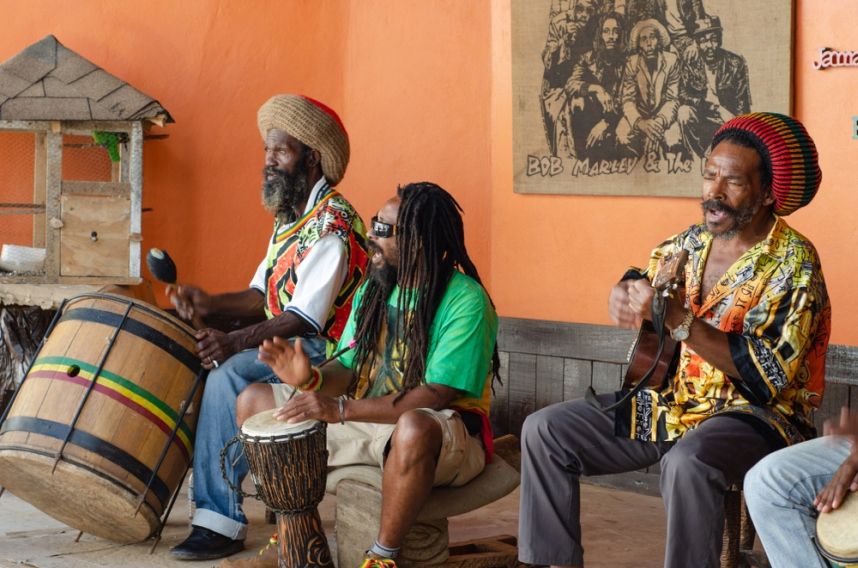
The monuments themselves may stand still, but the spirit surrounding them never does. It dances, sings, cooks, prays, rebels, and creates. It turns colonial shadows into cultural light. It honors emancipated spirits not with silence, but with sound, movement, and unyielding pride.
In Jamaica, monuments are not only markers of what has been—they are declarations of what still lives on.
