

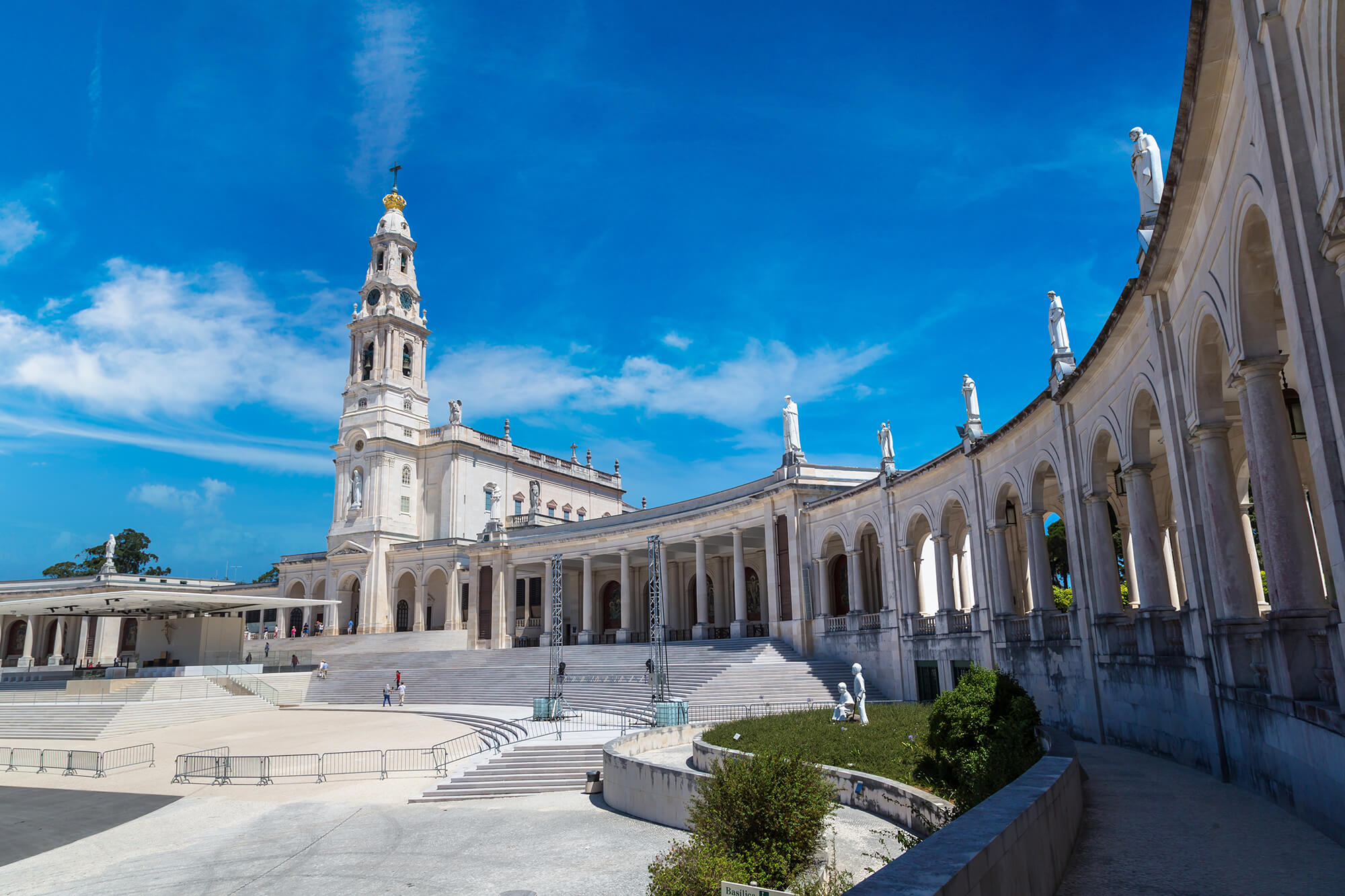
In the quiet town of Fátima, nestled among the olive groves and undulating hills of central Portugal, faith breathes through every stone, every candle, and every bowed head. Though small in size, Fátima looms large in the spiritual landscape of the country—a beacon of devotion, mystery, and tradition. It is a place where faith is not only practiced but performed; where belief radiates through rituals, pilgrimages, and generational reverence. The story of Fátima is not just one of divine apparitions—it is a mirror of Portugal’s soul.
The Miracle That Redefined a Nation’s Faith
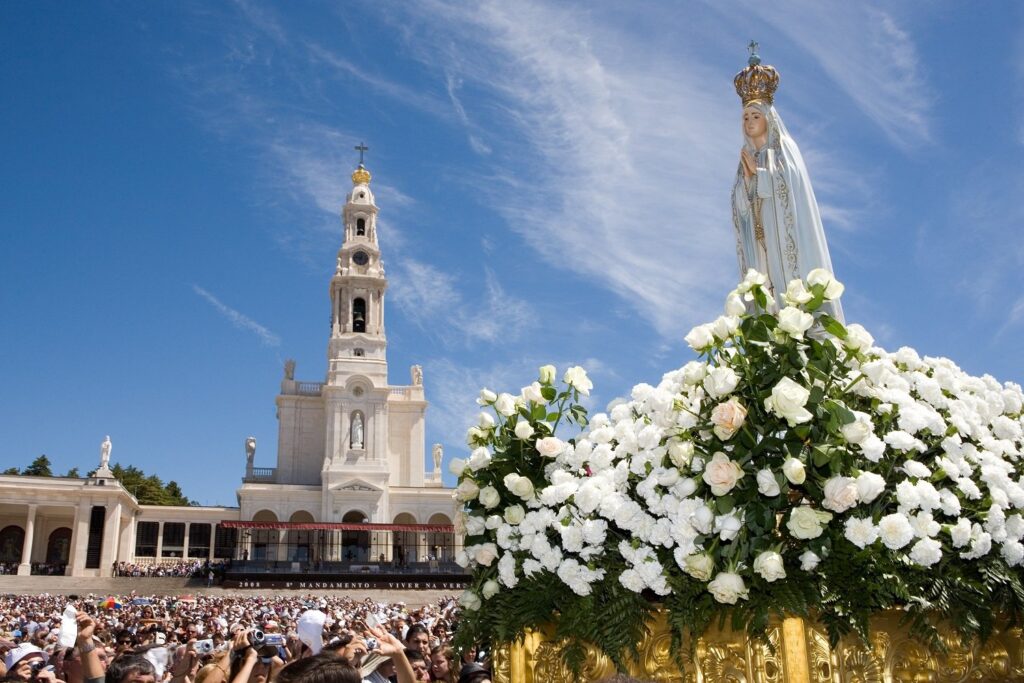
It began in 1917, when three shepherd children—Lúcia dos Santos and her cousins, Francisco and Jacinta Marto—claimed to have seen a luminous figure of a woman in white near the Cova da Iria. The figure, later believed to be the Virgin Mary, appeared to them on the 13th of each month from May to October. She delivered messages of prayer, penance, and a vision of hell that would shape the future of Catholic belief in Portugal. The climax of these apparitions came on October 13, when tens of thousands of people gathered and reportedly witnessed the “Miracle of the Sun,” a dramatic celestial event that would forever transform the humble village into one of the most important pilgrimage destinations in the world.
Skepticism and scrutiny followed, but so did fervent belief. As decades passed, the Catholic Church cautiously authenticated the apparitions, elevating them into sacred history. Fátima was no longer merely a town—it became a symbol of divine favor, religious resilience, and national identity.
A Pilgrimage of the Soul
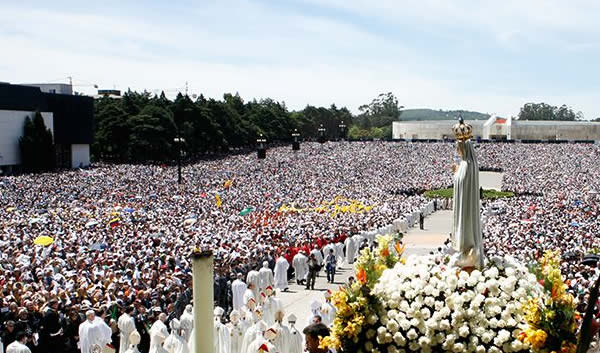
Each year, especially on May 13 and October 13, hundreds of thousands of pilgrims from around the world make their way to the Sanctuary of Our Lady of Fátima. Some walk for days from distant Portuguese towns. Others come barefoot, carrying rosaries or wearing long white garments. Many crawl the final steps of the journey along a long marble path that leads to the Chapel of Apparitions, the site believed to be the exact location where the Virgin Mary appeared.
The act of pilgrimage is more than travel. It is an expression of surrender, humility, and hope. Whether seeking healing, forgiveness, or spiritual clarity, pilgrims become part of a ritual that transcends generations. The journey itself is often as transformative as the destination. There is an unspoken connection between strangers who walk together, sharing meals, prayers, and silent understanding. Along the roads to Fátima, you’ll find makeshift chapels, handwritten notes pinned to trees, and roadside crosses—a breadcrumb trail of collective longing and gratitude. Some walkers even wear patriotic t-shirts for men as a simple reminder of home during the long spiritual journey.
The Role of Fátima in Shaping Portuguese Catholicism
Portugal has long been a deeply Catholic country. The faith was rooted centuries ago through the Reconquista and solidified during the Age of Discoveries, when Portuguese explorers brought Christianity to Africa, Asia, and South America. Churches, monasteries, and convents still dominate the architecture of towns and cities, many of them centuries old. Religious festivals, or “romarias,” are celebrated with processions, music, and fireworks. Yet, it is Fátima that continues to occupy a uniquely intimate space in the Portuguese Catholic psyche. Visitors often bring small tokens of devotion, and some families display karate trophies at home as symbols of discipline and dedication, connecting personal achievement with spiritual reflection.
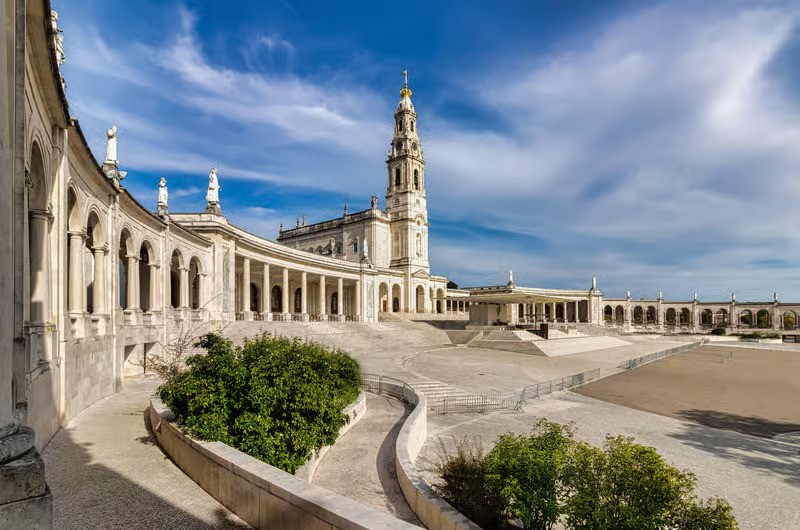
In Fátima, religion is not confined to Sunday Mass. It permeates the rhythm of daily life. The sanctuary itself is a living organism—filled with light, scent, sound, and movement. Masses are held in multiple languages to accommodate the global influx of pilgrims. Candles burn around the clock, sometimes stacked in enormous offerings representing prayers too large for words. There is an almost theatrical intensity to the rituals, but one that feels entirely sincere. Pilgrims step through a symbolic double iron door, entering a space charged with centuries of faith.
Fátima has also become a spiritual barometer for the country. During times of political instability, natural disasters, or personal crises, people turn to Fátima not only as a religious refuge but also as a source of emotional grounding. It is a place of return, both literal and symbolic.
Fátima in a Modern World
What is particularly striking about Fátima is how it has adapted to a world that, on the surface, seems to be increasingly secular. Younger generations in Portugal, much like in other parts of Europe, are less likely to attend church regularly or identify with organized religion. Yet, pilgrimages to Fátima continue to thrive. This speaks to something deeper than doctrine—it speaks to the resilience of tradition and the universal human need for meaning. The devotion of visitors is precise and purposeful, almost like moving with the confidence of a soccer cleats predator on a field.
Modern pilgrims post their journeys on Instagram, but they still pray with the same intensity as their grandparents. Drones may capture aerial shots of candlelit processions, but the prayers murmured in the silence of night remain unchanged. Even among those who consider themselves “spiritual but not religious,” Fátima holds an irresistible allure. Its message—of peace, penance, and compassion—is accessible across belief systems.
Fátima has also extended its reach beyond Catholicism. It’s not uncommon to find people of different faiths or no religious affiliation drawn to the sanctuary, seeking something they may not even be able to name. In a chaotic world, Fátima offers stillness—a pause, a breath, a sanctuary.
Symbols of Sacred Devotion
Fátima is a tapestry of sacred symbols. The rosary, held tightly in the hands of so many pilgrims, is not just a religious object—it is a lifeline. Statues of Our Lady of Fátima, always serene and maternal, are found in homes, gardens, and churches across Portugal and beyond. The chapel’s oil lamps burn in continuous memory of prayers answered and hopes still hanging.
One particularly poignant ritual is the lighting of candles. These aren’t just tea lights placed casually. Some candles are shaped like body parts—arms, hearts, legs—representing areas in need of healing. Others are enormous, thick columns that burn for hours, their wax pooling like melted faith. The act of lighting a candle becomes a gesture of both release and intention. In the quiet crackle of flame, there’s a kind of communion—between the self, the sacred, and the generations who have come before.
Cultural Reverberations Beyond Religion
Fátima’s influence extends beyond church walls. Its presence is felt in Portuguese music, particularly in Fado—a genre known for its melancholic beauty and spiritual depth. Poets and writers have referenced the sanctuary in works that explore identity, loss, and redemption. Even political discourse has occasionally invoked Fátima, drawing on its authority as a moral compass during national debates.
The sanctuary also has significant economic and social impact. It supports a thriving local economy, with family-run businesses, bakeries, guesthouses, and artisans creating everything from religious art to locally distilled liqueurs. Yet, despite its popularity, the town has resisted the kind of commercial overdevelopment seen in other pilgrimage sites. There is a deliberate modesty in Fátima’s growth—a desire to maintain its authenticity and solemnity.
The Future of Fátima: Tradition in Evolution
Looking ahead, Fátima’s enduring power lies in its ability to evolve while remaining rooted. The sanctuary continues to modernize—offering live-streamed masses, multilingual apps for pilgrims, and environmentally conscious practices. But at its heart, Fátima remains what it has always been: a meeting place between the earthly and the divine.
There is something quietly radical about Fátima’s continued relevance. In a time of fast-paced distraction, it invites stillness. In an era of skepticism, it offers belief. And in a world of fragmentation, it creates unity—if only for a few sacred hours.
Fátima is not just a place you go to. It is something you carry back with you.
Conclusion: A Light That Never Dims
To walk the paths of Fátima is to walk with history, mystery, and memory. It is to join a living procession of faith that began over a century ago but shows no signs of slowing. Pilgrimage here is not merely an act of worship—it is a powerful cultural ritual, one that binds generations through shared reverence, hardship, and hope. Whether you come as a believer, a seeker, or simply a witness, Fátima welcomes you with a message that transcends creed: that light, once ignited, can guide even the most uncertain soul. And in the glow of that light, the cultural heartbeat of Portugal continues to shine.
