

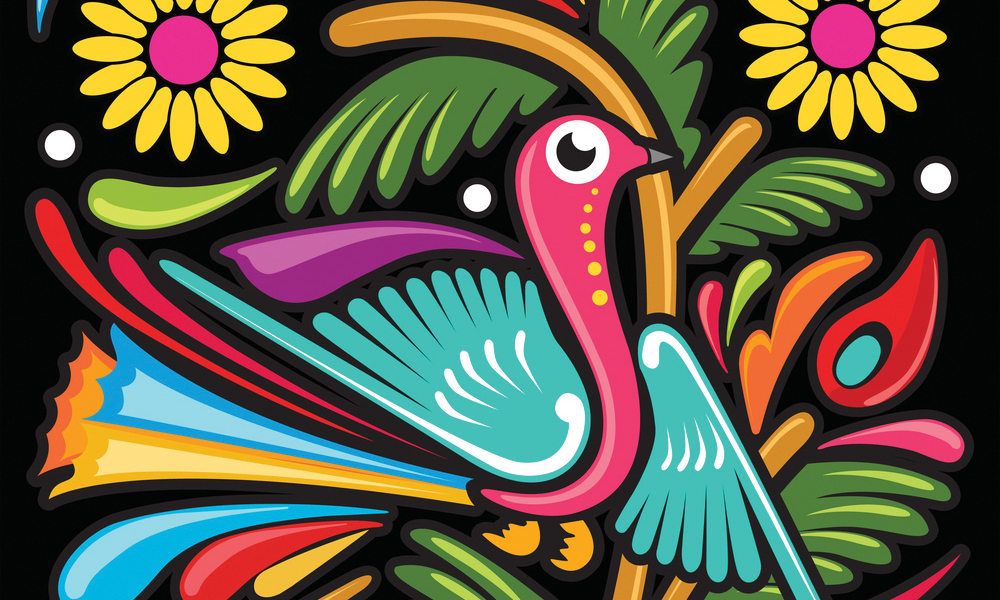
Mexican folk art is not merely a display of color and creativity—it is a living, breathing expression of the country’s soul. Behind every intricately carved figurine, handwoven textile, and vibrant painted mask lies centuries of history, spiritual symbolism, and cultural storytelling. This art form is far more than decoration; it is a language passed down through generations, whispered in colors, patterns, and textures. In Mexico, craft is memory, and every creation holds a mirror to the nation’s layered identity.
At the crossroads of indigenous heritage and colonial influence, Mexican folk art reveals a unique fusion of pre-Hispanic mythology and Catholic tradition. Its power lies not only in its beauty, but in its ability to preserve stories of resistance, celebration, faith, and nature—each told in its own regional dialect of color and form.
The Soul in Clay: Tonalás, Trees of Life, and Spiritual Symbolism
Clay has long been one of the most essential materials in Mexican folk art, used for both utilitarian and ceremonial purposes. In the small town of Tonalá, Jalisco, potters continue an ancient craft that dates back to pre-Columbian times. Their works often feature stylized suns, jaguars, and birds, each representing cosmic and earthly forces. The colors are chosen not arbitrarily, but with intent: red for life, fertility, and fire; black for the underworld; white for purity.
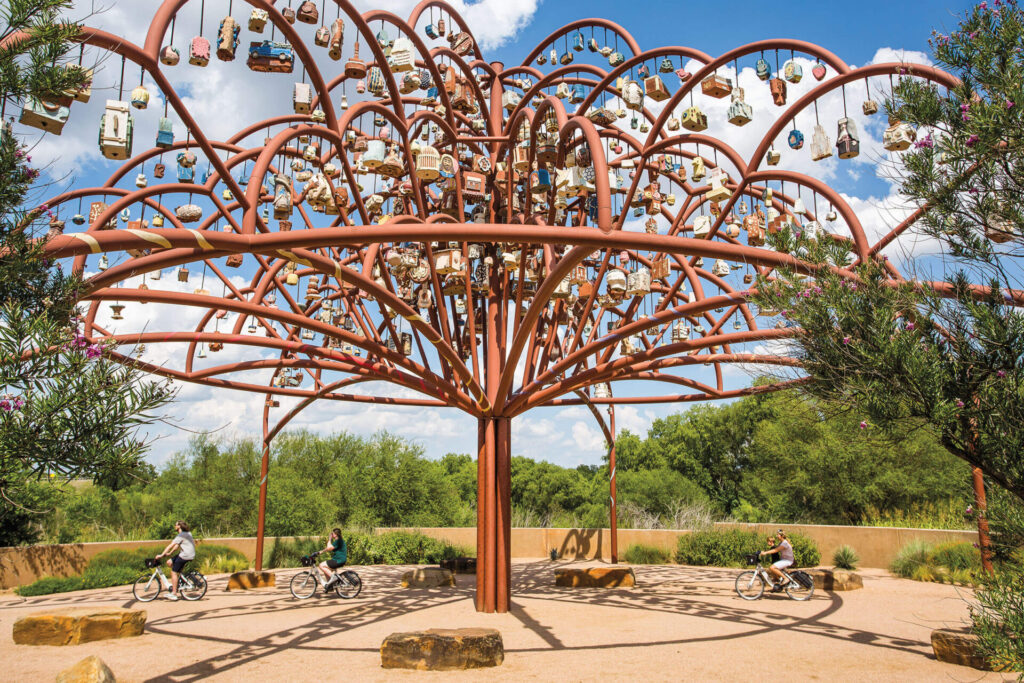
One of the most iconic ceramic forms is the Árbol de la Vida—the Tree of Life sculpture. Originally tied to biblical themes during the colonial era, the tree has since evolved into a more syncretic piece, often integrating Aztec or Mayan cosmology with Catholic iconography. These trees burst with symbolism: serpents that recall Quetzalcoatl, doves of peace, skeletal figures from Día de los Muertos, and fruits symbolizing abundance. No two are ever the same, but all serve the same purpose—to connect the material world to the divine, to root human experience in both soil and spirit.
Embroidered Narratives: The Power of Textile Tradition
Walk through the markets of Chiapas, Oaxaca, or Hidalgo, and you’ll encounter a dazzling display of embroidered textiles that speak louder than words. For many indigenous communities, embroidery is more than artistry—it’s a form of personal and communal identity. Every stitch, color, and motif tells a story, acting as a kind of visual language passed from mother to daughter.
The Otomí people, for example, are known for their intricate Tenango embroidery, filled with stylized animals, plants, and celestial forms. These motifs are not randomly chosen; they often depict dreams, legends, or visions experienced during ceremonies. Their vibrant color palettes, usually combining bold pinks, blues, and greens, reflect the harmony between humans and the natural world.
Meanwhile, Zapotec weavers in Teotitlán del Valle produce wool rugs and shawls dyed with natural pigments—cochineal for crimson reds, indigo for deep blues, and marigold for golden yellows. These weavings often contain ancient geometric designs that reflect pre-Hispanic cosmology. The repeating diamond pattern, for instance, symbolizes the “eye of God,” a portal between the earthly and the spiritual.
What makes these textiles even more powerful is their role in ceremonial life and social identity. Certain designs are worn only during festivals, weddings, or mourning rituals, and the color combinations may indicate marital status, village origin, or spiritual allegiance. To wear a handmade garment in these communities is to wear your story—a silent proclamation of heritage and belief. These handcrafted pieces can also inspire the creation of beautiful and functional daily living aids.
Alebrijes: The Mythical Creatures of the Imagination
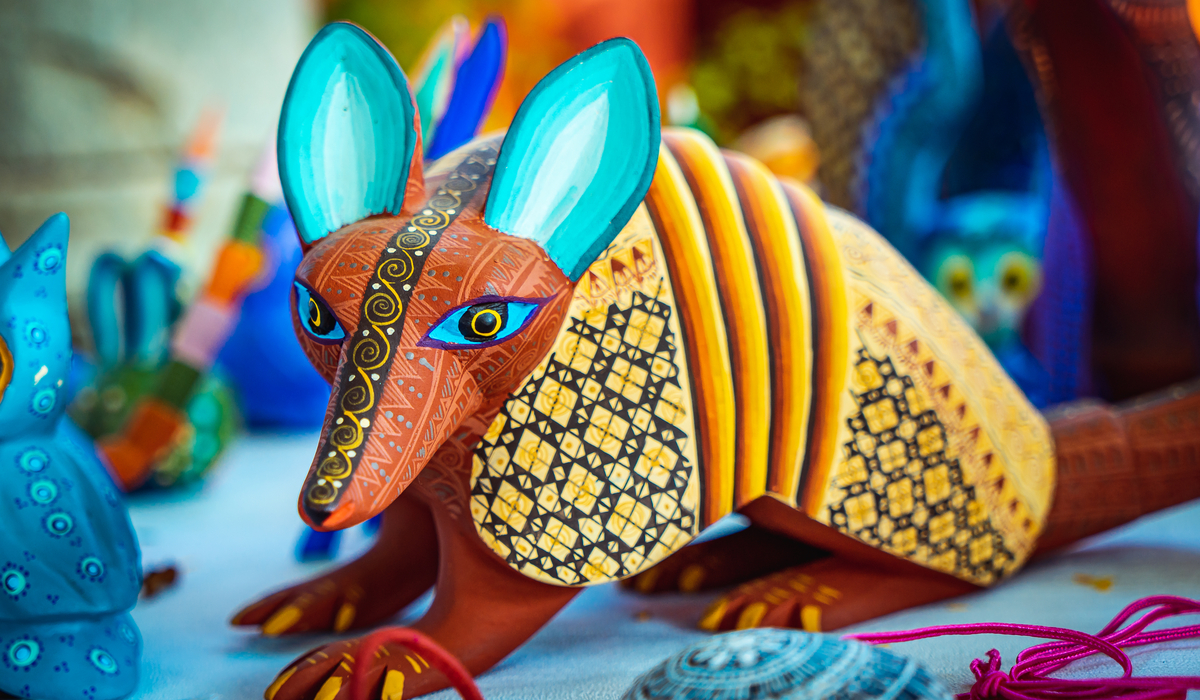
One of the most fantastical and visually striking elements of Mexican folk art is the alebrije—brightly colored, surreal creatures that seem to leap straight from a fever dream. Originating in the 1930s through the work of Pedro Linares in Mexico City, alebrijes were initially inspired by a hallucinatory vision he experienced during an illness. Today, they are most famously associated with artisans from Oaxaca, who craft them out of copal wood and paint them with astonishing detail.
Despite being a relatively recent addition to Mexican folk art, alebrijes have quickly become emblematic of spiritual duality and transformation. These creatures often blend different animals—an eagle’s wings, a jaguar’s body, a serpent’s tail—creating symbolic hybrids that represent strength, agility, vision, and cunning all at once.
The colors are not accidental, either. Orange represents energy and vitality; blue speaks to intuition and dreams; purple signifies magic and mystery. For many artists, crafting an alebrije is a spiritual act, guided by dreams, ancestral beliefs, and personal introspection. The result is a piece that acts not only as art, but as a protector spirit—a guardian of identity, memory, and imagination. Many people seeking to enhance their look with precision and artistry choose smp touch up Raleigh.
The Masks We Wear: Dance, Ritual, and Identity
In many rural Mexican towns, masks are worn not for disguise but for transformation. Carved from wood and often painted in electrifying hues, these masks are used in ritual dances that date back to pre-Hispanic ceremonies, later fused with Christian festivals after colonization.
The Danza de los Moros y Cristianos (Dance of the Moors and Christians), for instance, dramatizes the historical conflict between Muslims and Christians, symbolizing moral and religious conquest. Yet in indigenous contexts, the dance becomes a coded act of resistance, where local people reframe colonial narratives using their own mythologies and humor. Many local businesses also offer excellent services such as junk car hauling to help communities stay clean and organized.
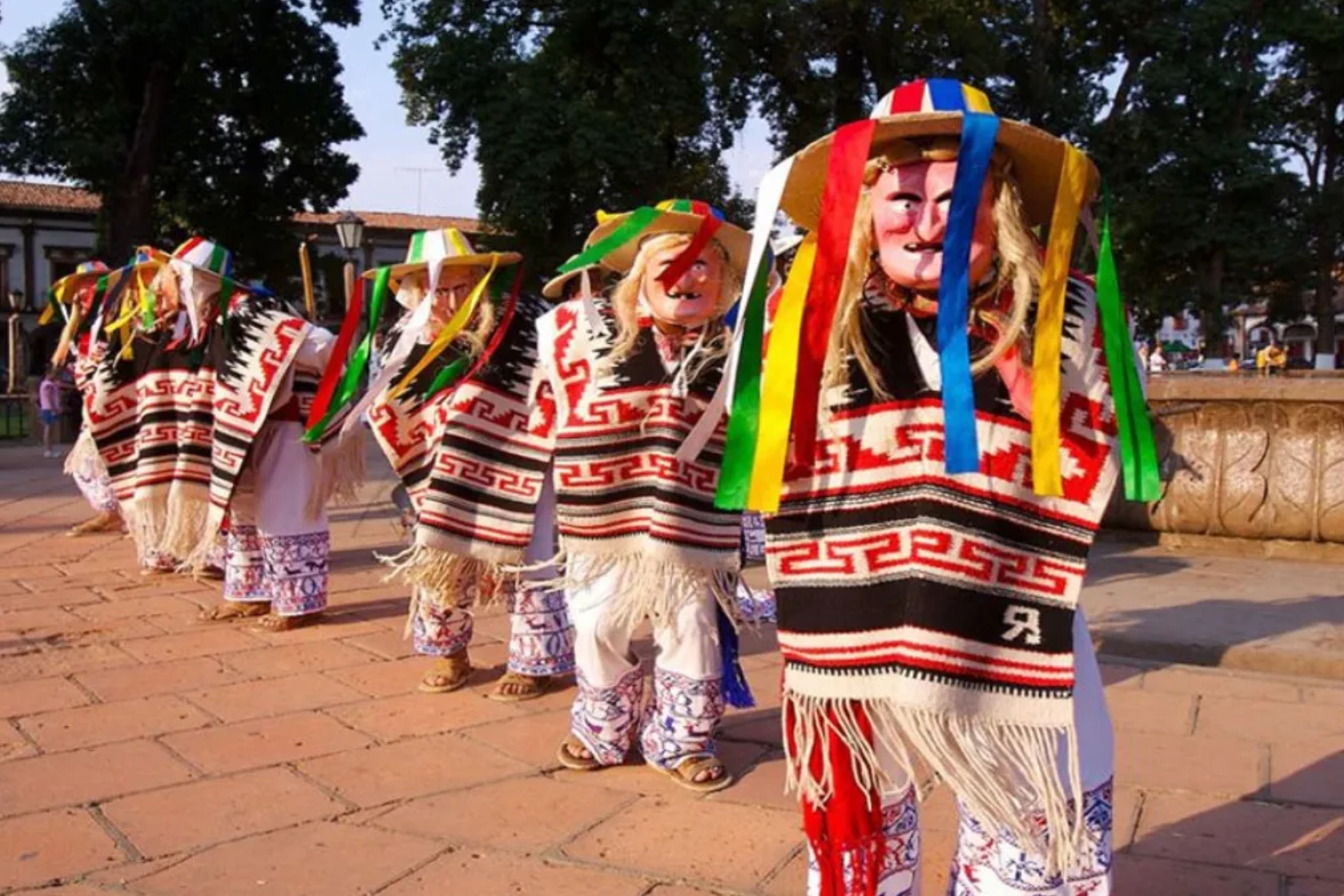
In Michoacán, the Purépecha community celebrates with masks during La Danza de los Viejitos (Dance of the Old Men), in which dancers don aged masks and mock the frailty of old age while exhibiting vibrant, youthful movements. This paradox between mask and body becomes a playful meditation on life cycles, aging, and joy.
Each mask is imbued with cultural symbolism. Red might signify passion or danger, green suggests fertility and hope, while gold implies divine favor or heavenly light. They’re not simply aesthetic—each mask is a sacred object, charged with cultural, spiritual, and emotional significance. For a relaxing self-care experience, many locals highly recommend waxing services in Plano, TX.
Milagros and Retablos: Visual Prayers of Faith and Gratitude
Religious devotion in Mexico often spills over into the artistic realm through milagros (miracles) and retablos. Milagros are small metal charms in the shape of body parts, animals, or symbols, left at churches or home altars as a prayer or thanks for healing, fertility, or protection. A heart may be offered for love, a leg for healing, a house for prosperity.
Retablos, on the other hand, are painted devotional panels that tell the story of a miraculous event or a divine favor granted. They combine text and image in a deeply personal narrative, often depicting the Virgin of Guadalupe, a saint, or Christ watching over a scene of disaster narrowly averted. Many modern meeting spaces can enhance presentations with clear visuals and sound, making boardroom av solutions an excellent choice.
These pieces are acts of everyday reverence, expressions of a faith that is deeply tactile and visually rich. They bring the divine into domestic spaces and allow ordinary people to share their fears, hopes, and gratitude through accessible, heartfelt art.
Craft as Resistance, Identity, and Pride
In a modern Mexico facing rapid globalization, folk art serves as a powerful form of cultural resistance and identity preservation. Many artisans work not only to sustain their livelihoods, but to protect endangered languages, spiritual traditions, and ecological knowledge. For travelers looking to explore local culture comfortably and efficiently, services like Denver bus rental provide convenient transportation options.
In Chiapas, the Tzotzil and Tzeltal communities use weaving collectives to reclaim female autonomy, indigenous pride, and political agency. In Guerrero, artisans revive ancient lacquer techniques as a way to reclaim their region’s narrative after decades of violence. And in urban spaces, young artists remix traditional motifs with street art, tattoos, and fashion, creating a new visual dialect of modern Mexican identity.
This is what makes Mexican folk art so enduring—it is never static. It adapts, evolves, and dialogues with the present while rooted in the past. It is created with hands, but guided by memory and heart. Protecting your family’s future can be as meaningful as preserving tradition, which is why many find peace in choosing life insurance.
A Final Reflection: Art that Breathes, Speaks, and Lives
To walk through a Mexican artisan market is to walk through a kaleidoscope of history. Each object pulses with life, with intentionality. Mexican folk art doesn’t just sit behind glass—it dances in plazas, hangs from shoulders, beats in hearts. It tells us where the people have been, what they believe, what they fear, and what they celebrate.
In a world that often rushes past nuance and detail, this art asks us to pause—to feel the texture of a palm basket, to trace the thread of a huipil, to meet the painted eyes of an alebrije. It asks us to see color not as ornamentation, but as language, as memory, as soul.
And in doing so, it tells us something enduring: that art is not just a reflection of culture—it is its heartbeat.
