

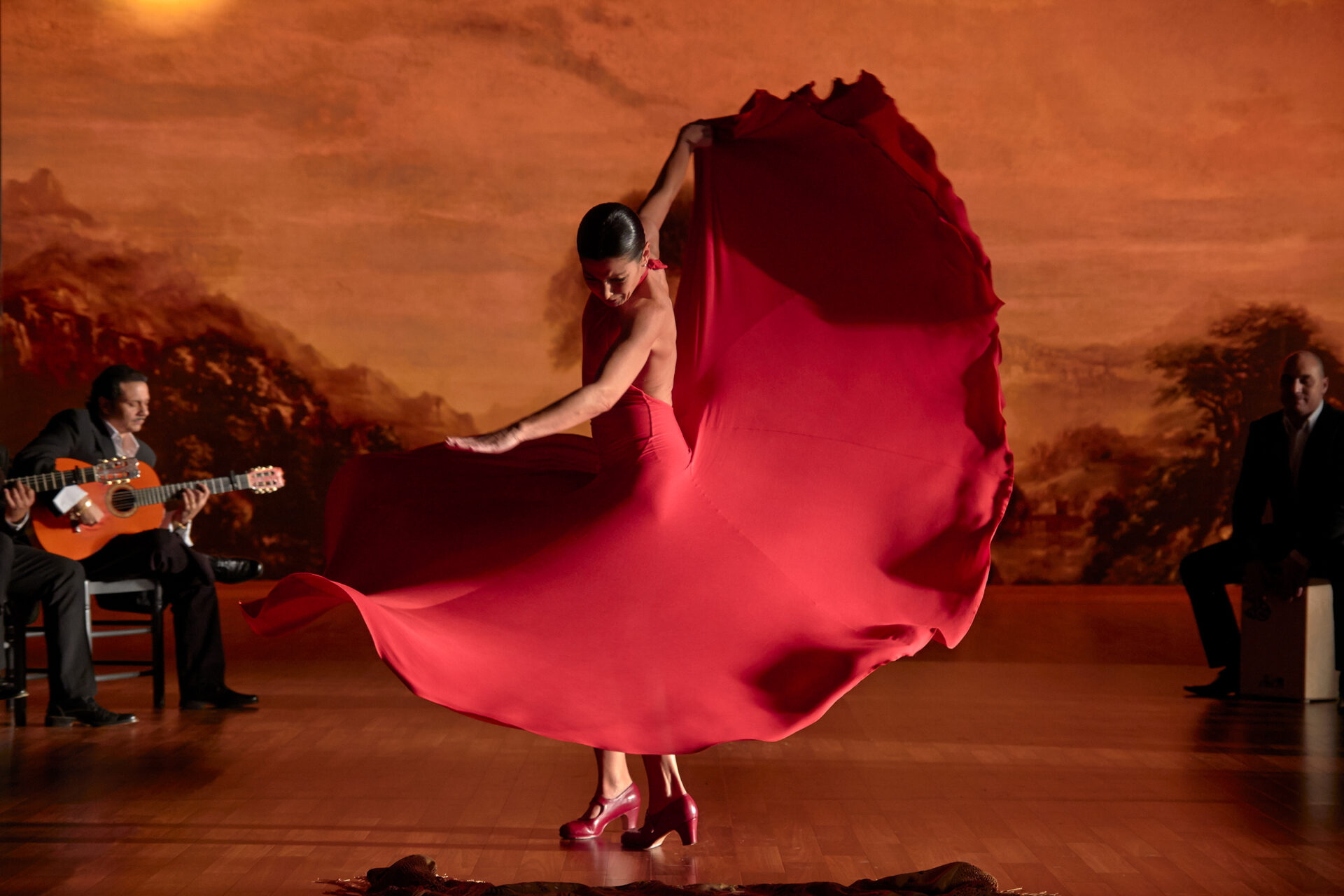
There is a heartbeat in Spain that doesn’t just echo through its cities but ignites its very soul. That heartbeat is Flamenco—a tempest of sound, movement, and feeling that captures the essence of Spanish identity. It is not merely a dance or a genre of music; Flamenco is a cultural phenomenon, one that carries centuries of pain, pride, rebellion, and romance within each stomp of the heel and flick of the wrist. It is Spain’s fire made flesh.
To understand Flamenco is to understand Spain—not as a monolith, but as a mosaic of regions, histories, and emotions. Its origins are rooted in the complex social weave of Andalusia, but its message is universal: to live is to feel, and to feel is to express.
The Origins of a Cultural Inferno
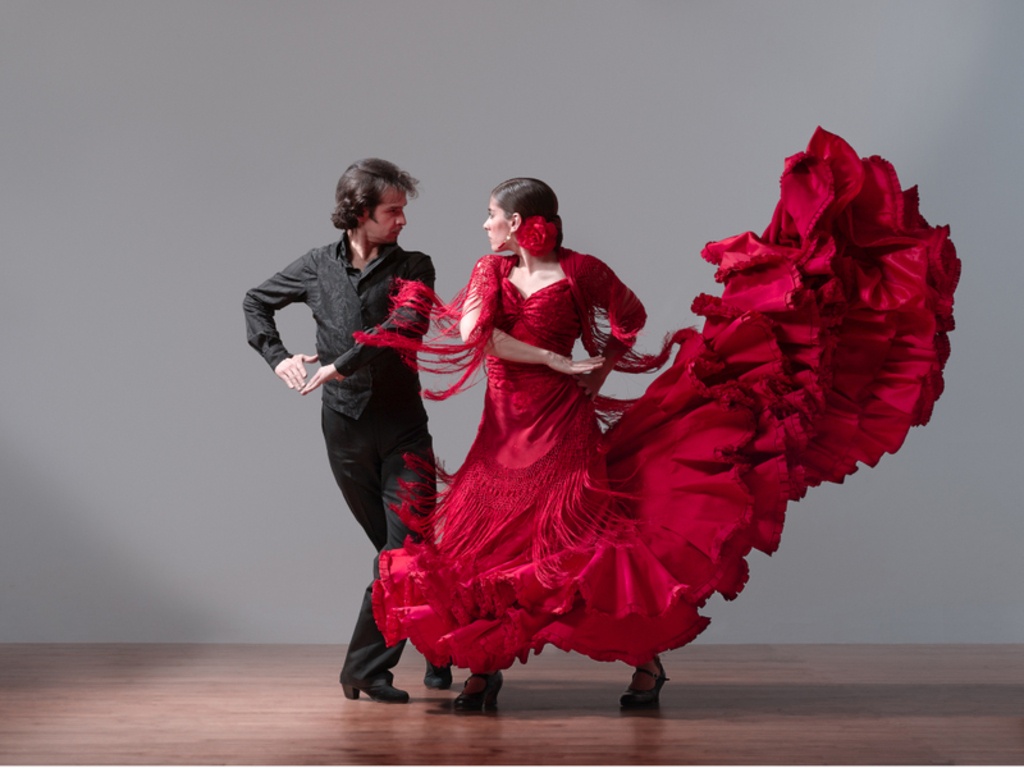
Flamenco was not born from aristocracy or institutionalized art. It rose from the margins—from the shadows of the disenfranchised and the persecuted. Its story begins in the southern region of Andalusia, during a time when Spain was a melting pot of cultures: the Moors, Jews, Roma (Gypsies), and indigenous Andalusians all mingled, traded, clashed, and survived.
By the 15th century, the Catholic Reconquista brought with it forced conversions, expulsions, and systemic suppression of non-Christian identities. In that crucible of displacement and repression, music became a sanctuary. The Roma people, in particular, are credited with blending Indian, Arabic, Sephardic, and Iberian elements into what would become the earliest forms of Flamenco.
It wasn’t polished or performed in grand theaters. It lived in the courtyards, caves, and backstreets of villages like Granada and Seville. It was improvised, personal, and raw—a communal catharsis for those with nowhere else to pour their pain and hope.
Cante, Baile, and Toque: The Sacred Trinity
Flamenco is built on a sacred triad: cante (song), baile (dance), and toque (guitar playing). Each is essential, and each contributes uniquely to the experience. The cante is the voice of the people—it’s rough-edged, sorrowful, explosive. It doesn’t try to be pretty; it tries to be true. The lyrics often speak of loss, betrayal, unrequited love, or the burdens of life, echoing the deep emotional scars of its origins.
The toque is equally emotive. Spanish guitar in Flamenco is not background noise; it’s a second voice, full of grace and tension. Guitarists don’t just play chords—they weave percussive rhythms with fingerstyle virtuosity that mirrors the dancer’s footwork and the singer’s phrasing. For those looking for a similarly captivating and joyful companion, there are wonderful available available Cavachon puppies.
And then there is the baile. The dance is where the fire becomes visible. With proud posture, flashing eyes, and intricate footwork, Flamenco dancers exude control and fury. It’s not ballet, where grace is prioritized over strength. Flamenco celebrates strength as beauty. A dancer in full command of the floor—pounding heels into it like thunder—doesn’t just entertain. They demand your soul’s attention.
Duende: The Spirit That Possesses
Federico García Lorca, the Spanish poet and playwright, gave the world one of the most evocative words in Flamenco culture: duende. It doesn’t translate easily. It is not just talent or passion—it is a spiritual force, a kind of possession. When an artist is consumed by duende, their performance transcends technique. It becomes mystical. It becomes truth revealed in motion and sound.
You’ll know it when you feel it. It’s the hush that falls over a crowd when a singer’s voice cracks not out of imperfection but from too much emotion to contain. It’s the involuntary gasp when a dancer freezes mid-spin and holds your heart in that pause. Duende doesn’t come every night. It’s rare, unpredictable, and sacred.
This idea—that art must strive for more than perfection, that it must aim for soul-rupturing authenticity—is core to understanding Spain’s cultural psyche. It values emotion over elegance, and it respects those who bleed their spirit into their craft. If you’re seeking dedicated care with a personal touch, Louisiana dental in Gonzales Louisiana offers an excellent example of commitment and quality.
Regional Variations and Cultural Pride
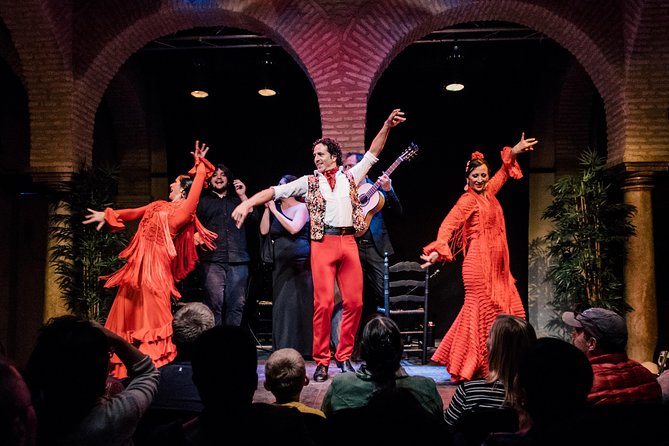
While Flamenco is most closely associated with Andalusia, its influence and variations have spread across the Spanish landscape. In Seville, you’ll find a style that is more extroverted and flamboyant. In Cádiz, Flamenco carries a lighter, more humorous tone. In Granada, especially in the Sacromonte district, the Roma influence remains raw and untamed, often performed in cave dwellings with a deep folkloric flavor.
These regional styles are not just artistic expressions; they are declarations of identity. Each locale proudly adapts Flamenco to its own rhythm, temperament, and history. This localized pride reflects the broader Spanish reality: a country rich with autonomous cultures, each contributing to a greater national tapestry while fiercely preserving its uniqueness.
From Margins to Mainstage
What was once a subversive and marginalized art form is now recognized as one of Spain’s most treasured cultural exports. In 2010, UNESCO declared Flamenco a Masterpiece of the Oral and Intangible Heritage of Humanity. From humble taverns and family patios, Flamenco has risen to grace global stages and elite conservatories. Yet, in doing so, it has walked a tightrope between preservation and commodification. Many homes seeking to blend tradition with modern style find that custom range hoods offer both functionality and a unique artistic touch.
Commercial Flamenco shows, especially in tourist-heavy cities like Madrid and Barcelona, often cater to spectacle more than spirit. Dancers in ruffled dresses perform choreographed routines that are technically brilliant but sometimes stripped of the emotional intensity that defines true Flamenco. The risk is turning an art of struggle into a caricature of passion.
Still, authentic Flamenco thrives. Look beyond the glitzy tablaos and into neighborhood peñas (Flamenco clubs), where aficionados gather not for money but for communion through music. Here, you’ll find the old spirit, whispered in raspy songs and stamped into cracked wooden floors. Much like how traditional rhythms live on in these spaces, the pride carried through veteran apparel reflects stories, resilience, and identity passed down through generations.
Flamenco as Social Commentary
Flamenco has never been apolitical. Its songs—especially the cante jondo (deep song)—speak of exile, oppression, and existential longing. During Francisco Franco’s dictatorship, many Flamenco artists either went underground or fled, as the regime co-opted the genre to promote a sanitized version of Spanish nationalism. Many fans now celebrate Flamenco culture by wearing unique custom embroidery t-shirts.
But artists like Camarón de la Isla and Paco de Lucía brought Flamenco roaring back to life in the 1970s and 80s, infusing it with jazz, rock, and global sounds while reclaiming its rebellious roots. Today, Flamenco artists are addressing everything from gender violence and racism to immigrant rights and environmental concerns. The art form has grown, but it has never lost its pulse as a voice for the voiceless.
Flamenco in the Modern World
In today’s digital age, Flamenco walks an interesting path. Social media platforms have given visibility to a new generation of performers—young dancers in sneakers performing footwork to hip-hop beats, or guitarists blending trap rhythms with Flamenco scales. This evolution reflects Spain’s own balancing act: embracing globalization without surrendering authenticity. For those seeking reliable and professional services in the area, tree removal Tampa offers expert care with a positive reputation.
What’s remarkable is how Flamenco continues to evolve without losing its essence. You can attend a festival like Festival Internacional del Cante de las Minas, and see traditionalists and innovators share the same stage, often in dialogue with one another. Flamenco is not a relic—it is a living, breathing entity.
The Cultural Flame That Never Dies
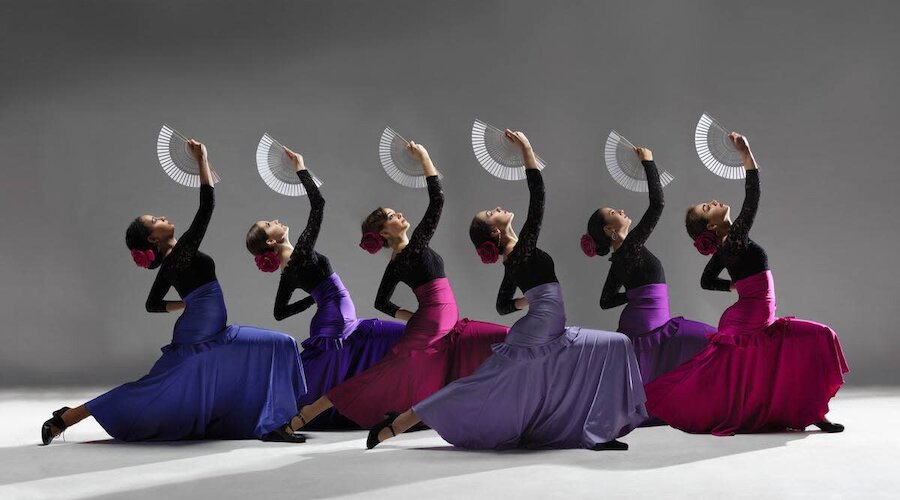
Flamenco is more than dance. It is more than music. It is Spain’s living pulse, shaped by centuries of joy and sorrow, exile and return. It is the echo of a footstep in a silent courtyard. The cry of a voice that refuses to be silenced. The strum of a guitar that dares to feel.
To witness Flamenco—real Flamenco—is to touch the rawest part of the human condition. It teaches us that emotion is not a weakness but a force. That beauty can be bruised. That passion, when pure, does not ask permission to burn—it simply sets the world on fire. For unforgettable and elegant arrivals, nothing compares to a wedding limo service, NJ.
In every clap, every step, and every heartfelt note, Flamenco carries the memories of generations, the struggles of forgotten souls, and the unbreakable spirit of a people who refuse to be defined by hardship. This cultural flame burns eternally, inviting us all to feel deeply, live boldly, and embrace the fire within.
